



10 models to be discontinued in 2026, fuel vehicles are gradually leaving us
[PCauto] As the global automotive industry accelerates its transition to electrification, a series of classic fuel models will officially exit the stage of history by 2026.
These models not only represent the technological essence of their respective brands but also carry the car memories of generations. Their departure signifies the demise of fuel-powered cars.
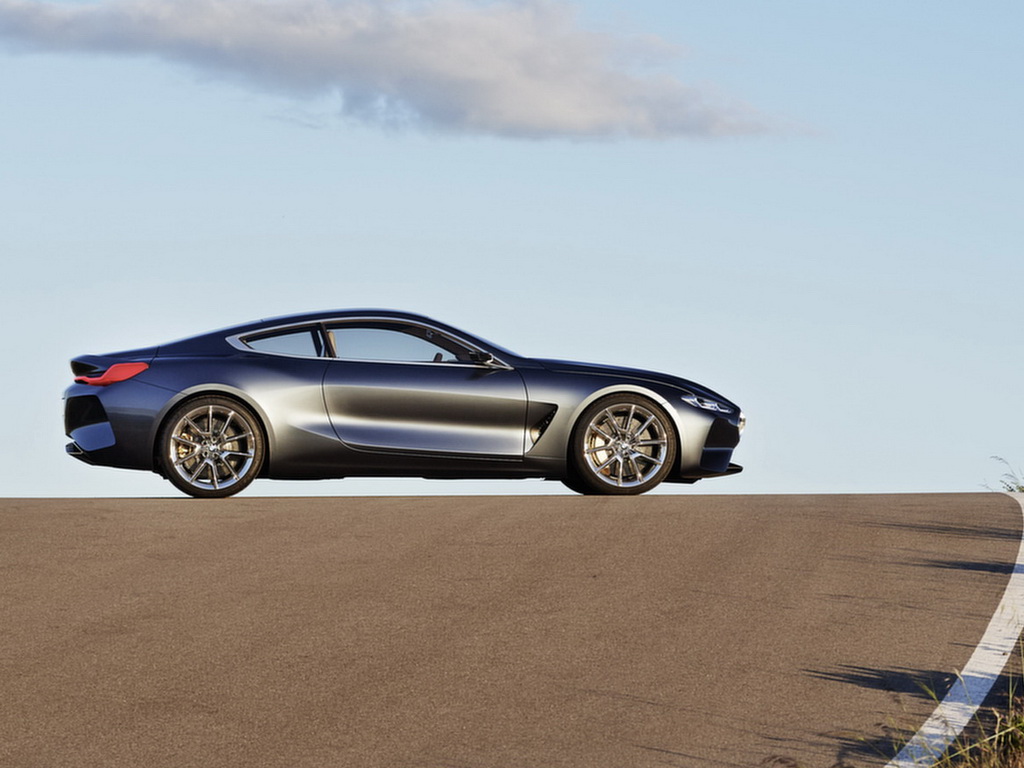
BMW X4 and BMW 8
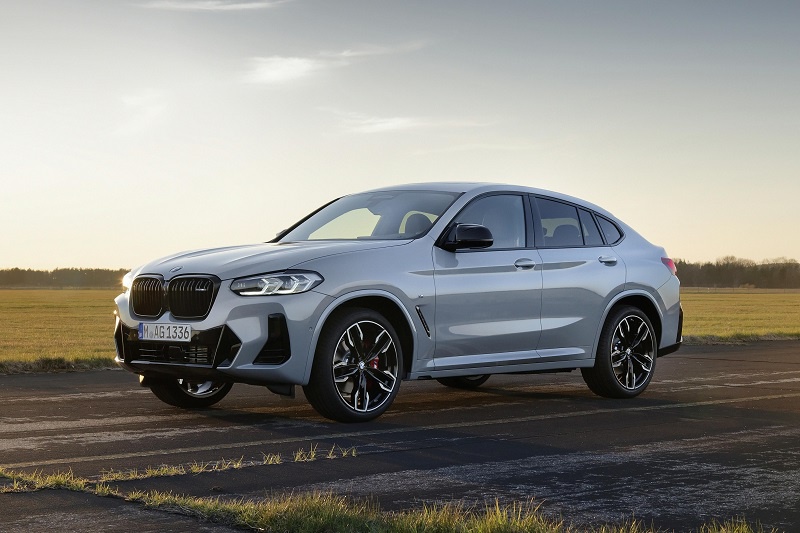
The discontinuation of the BMW X4 reflects the evolution of niche markets. As the pioneer of the SAC (Sports Activity Coupe) segment, the first-generation X4 was launched in 2014 and was well-received by young consumers for its unique fastback design and precise handling.
The second-generation model, launched in 2020, enhanced its technological features but faced declining sales due to the overall contraction of the coupe-SUV market.
The farewell of the 8 Series family is particularly lamentable. This flagship coupe was revived in 2018, offering multiple body styles including Coupe, Gran Coupe, and Convertible. The M8 Competition version, equipped with a 4.4T V8 engine, pushed performance to the extreme, with Nürburgring lap times comparable to professional sports cars.
However, the high starting price of $150,000 and limited market positioning meant its annual sales never exceeded 5,000 units, ultimately making way for the electrification strategy.
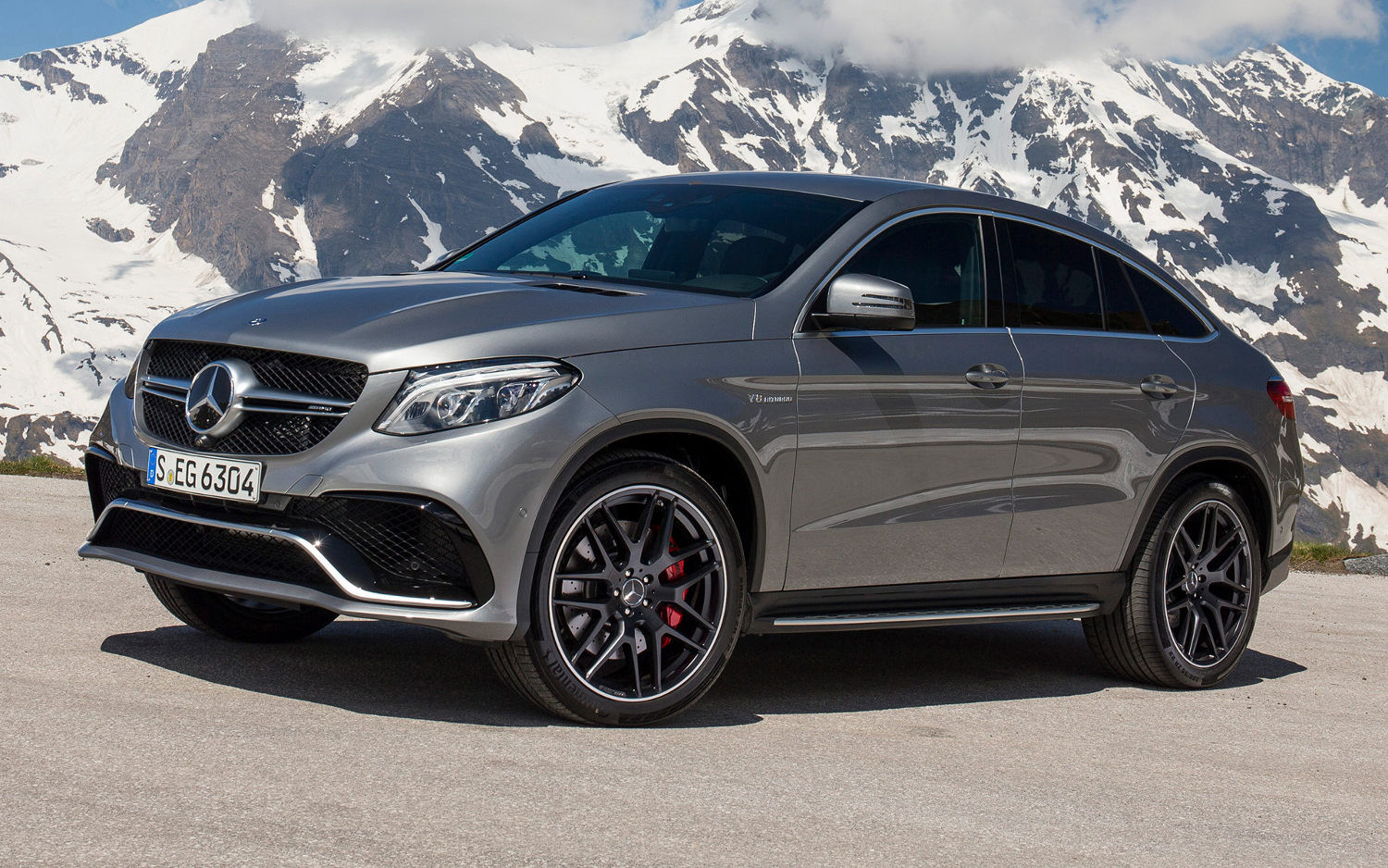
Mercedes-Benz GLC Coupe and GLE Coupe
The Mercedes-Benz GLC Coupe and GLE Coupe are also facing the fate of discontinuation. These coupe SUVs, introduced consecutively since 2015, successfully opened up the luxury coupe SUV segment with their luxurious DNA carrying the tri-star emblem and sporty design language.
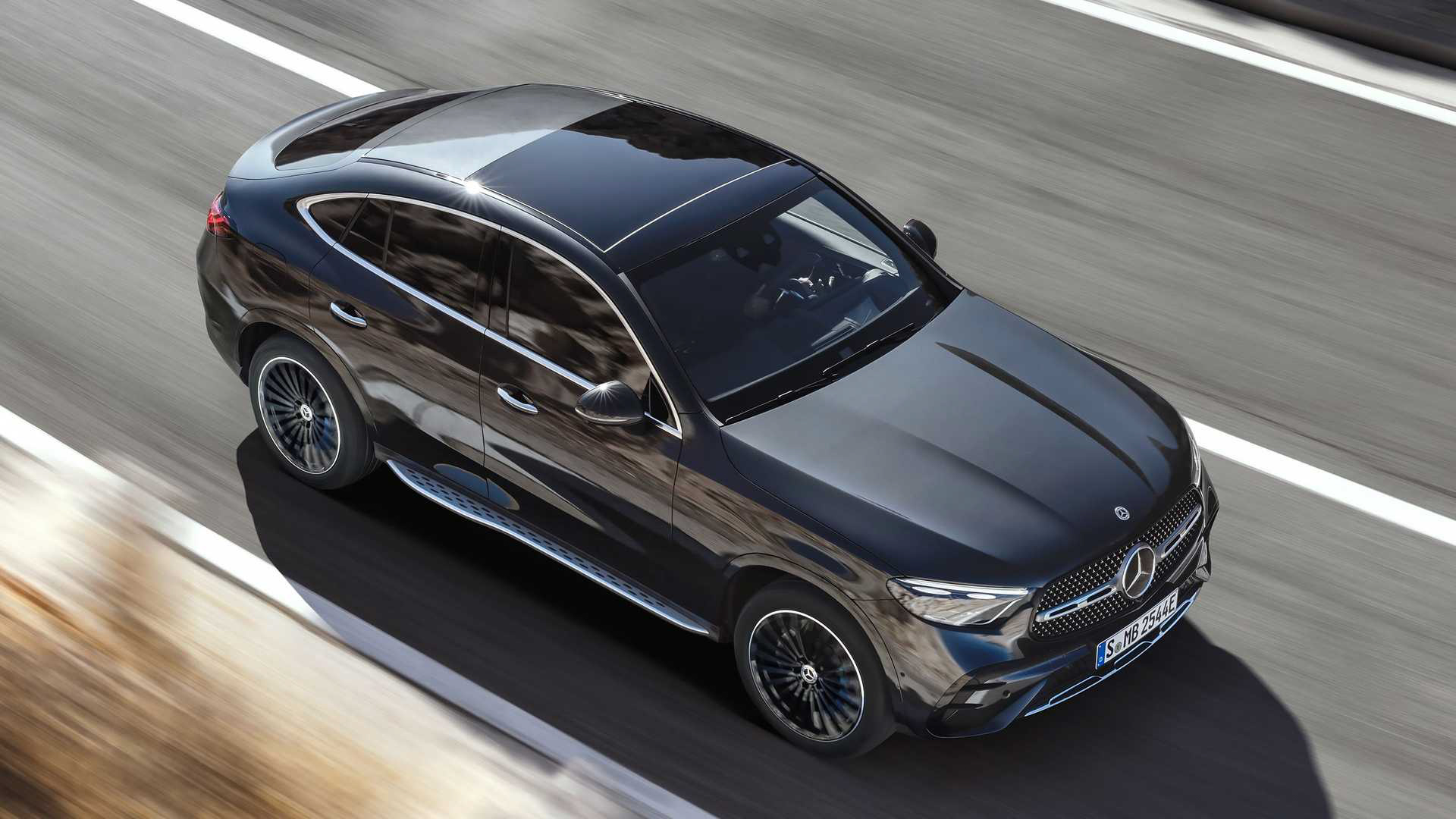
Especially the GLE Coupe, equipped with a 3.0T inline-six engine and the E-Active Body Control system, was once hailed as a technological benchmark.
The decision to discontinue stems from a product line integration plan, where the future EQ series of electric vehicles will take over the market positioning of these personalized models.
Chevrolet Blazer
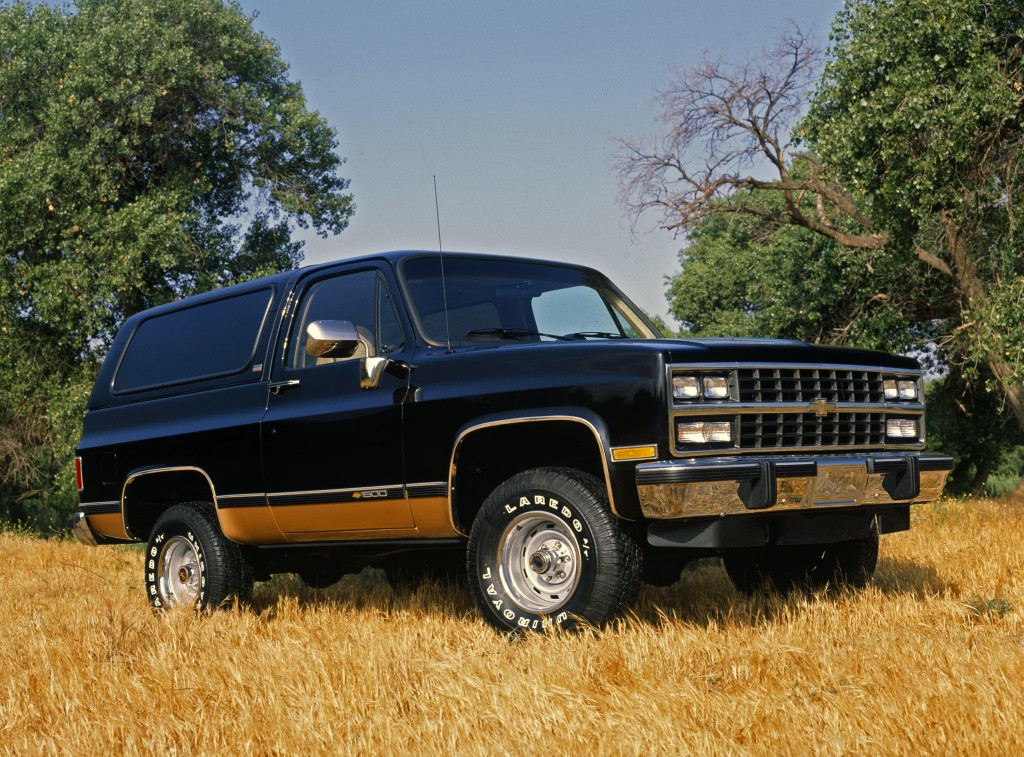
The name “Blazer” carries the complete history of American SUV development. The first-generation K5 Blazer (1969-1991) was a true off-road powerhouse, featuring a body-on-frame construction shared with pickup trucks and a removable hardtop design, making it one of the most popular vehicles for outdoor adventures of its time.
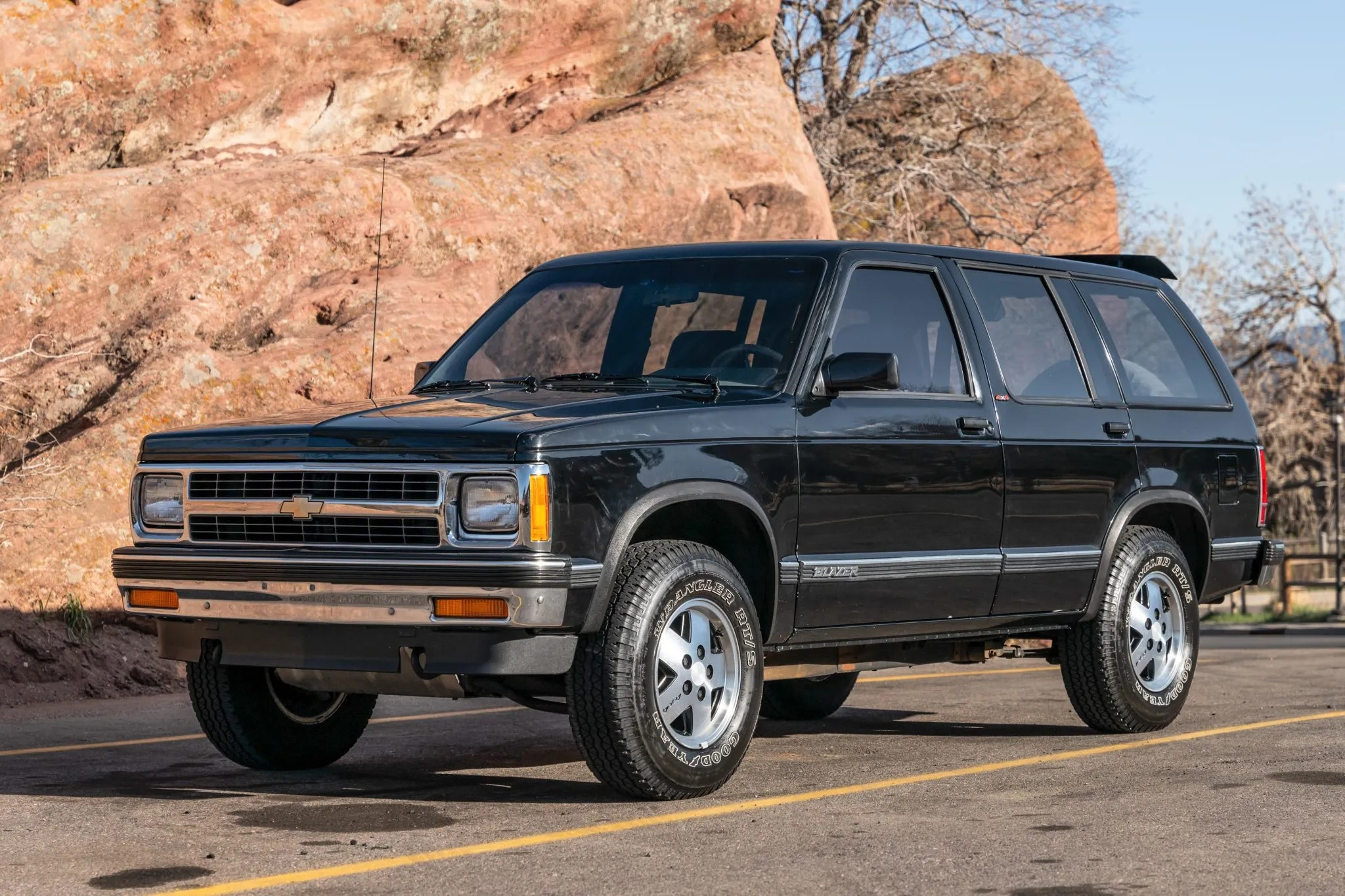
Between 1992 and 2005, the Blazer transitioned into a mid-size SUV. Although it lost its off-road genes, it became the most affordable multi-purpose vehicle for American families.
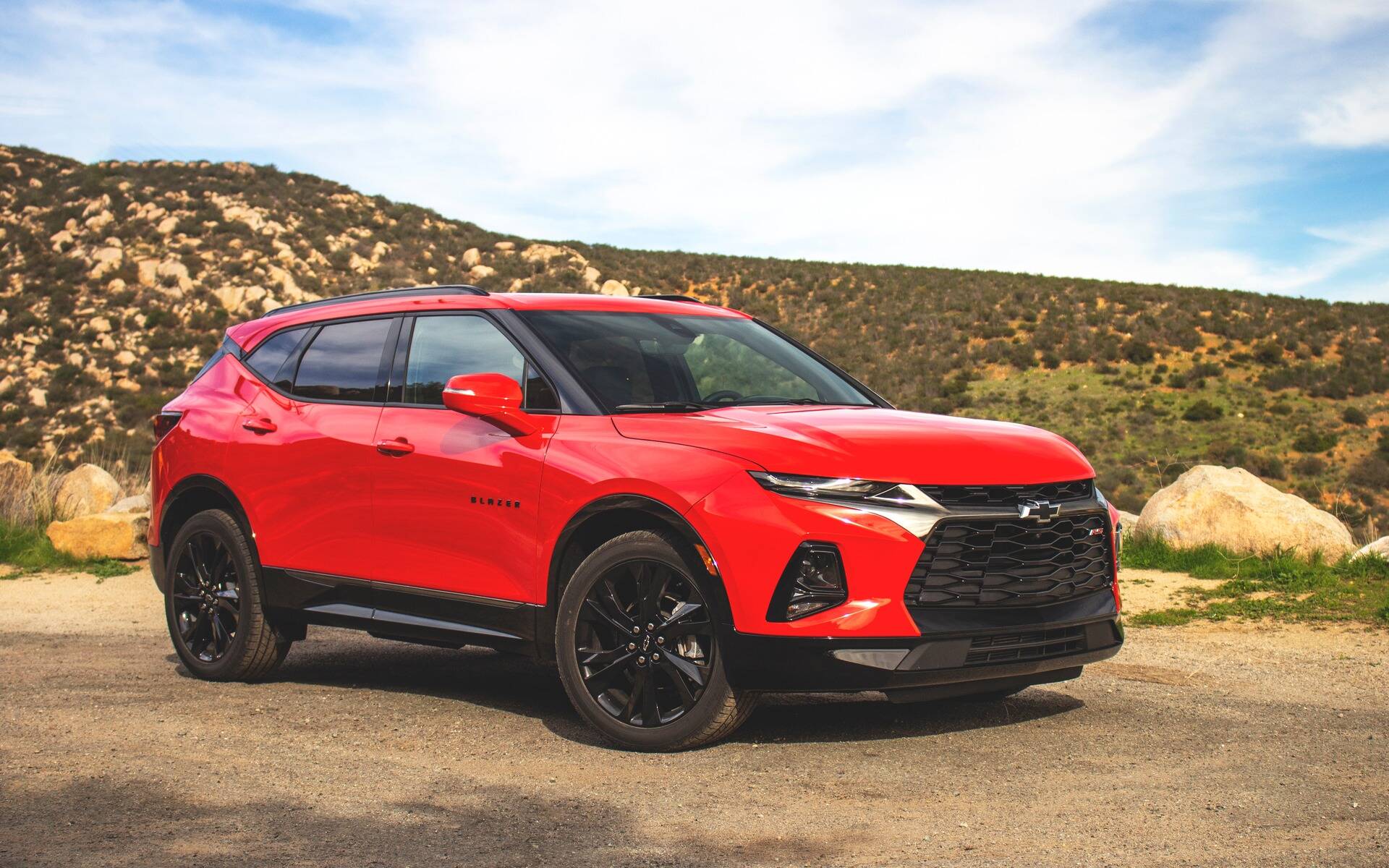
The 2019 revival was surprising, with the all-new Blazer adopting a Camaro-inspired design language. Its sharp LED daytime running lights and dual grille design showcase its sporty character.
The RS version is equipped with a 3.6L V6 engine (308 horsepower) and an intelligent all-wheel-drive system, achieving 0-60 mph acceleration in just 6.2 seconds.
This model successfully attracted young consumers, achieving annual sales of 98,000 units in North America in 2021.
As the factory needs to make room for production capacity of new energy vehicles, the gasoline-powered Blazer will complete its historical mission in 2026.
Ford Escape
The Ford Escape will not be available for sale in California, Massachusetts, New York, Oregon, Vermont, and Washington due to its powertrain not meeting California emission standards. As the region with the strictest emission regulations in the nation, California’s standards have been adopted by several states, including New York and Massachusetts.
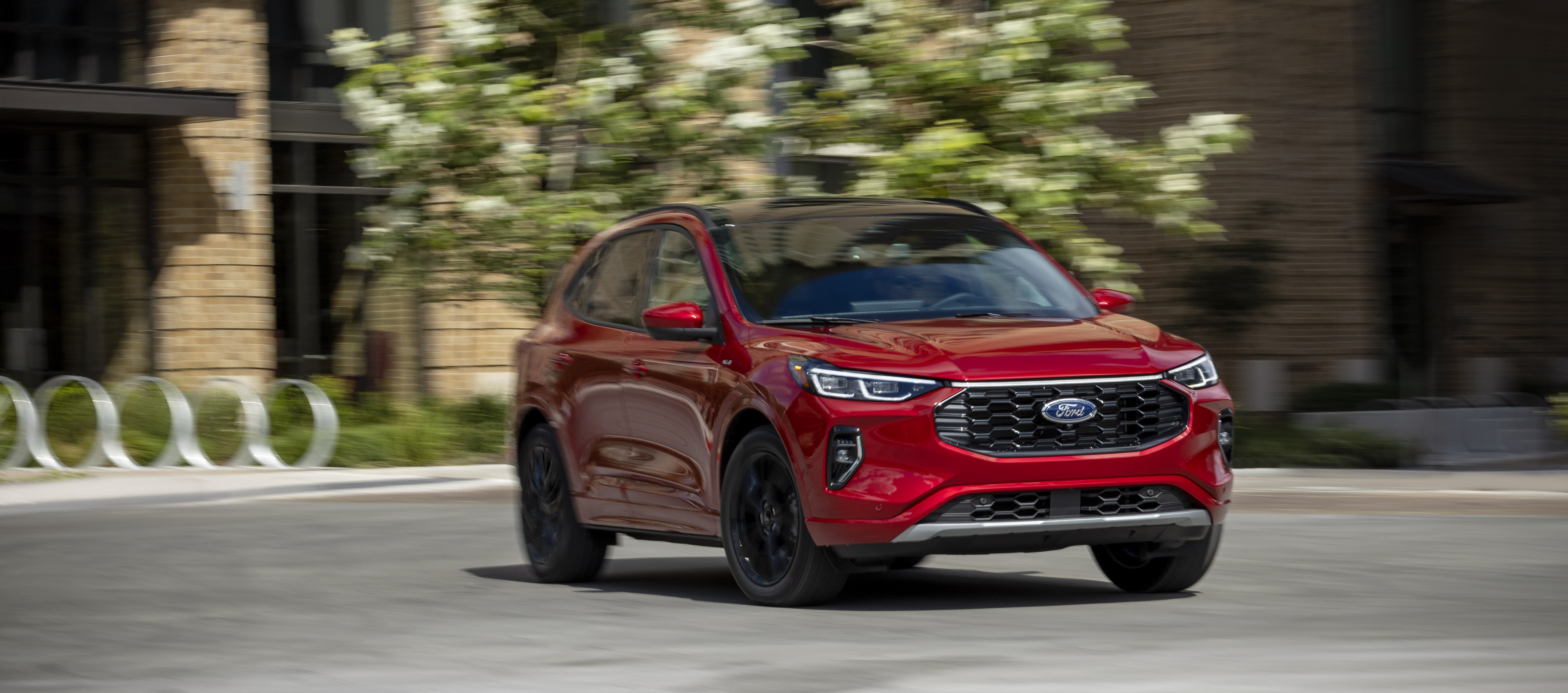
The current 1.5L and 2.0L EcoBoost four-cylinder engines, along with the 2.5L plug-in hybrid system in the Escape, have all failed to pass environmental certification in these regions.
While Ford has not officially confirmed this news, it is evident that delays in powertrain technology upgrades are the main reason.
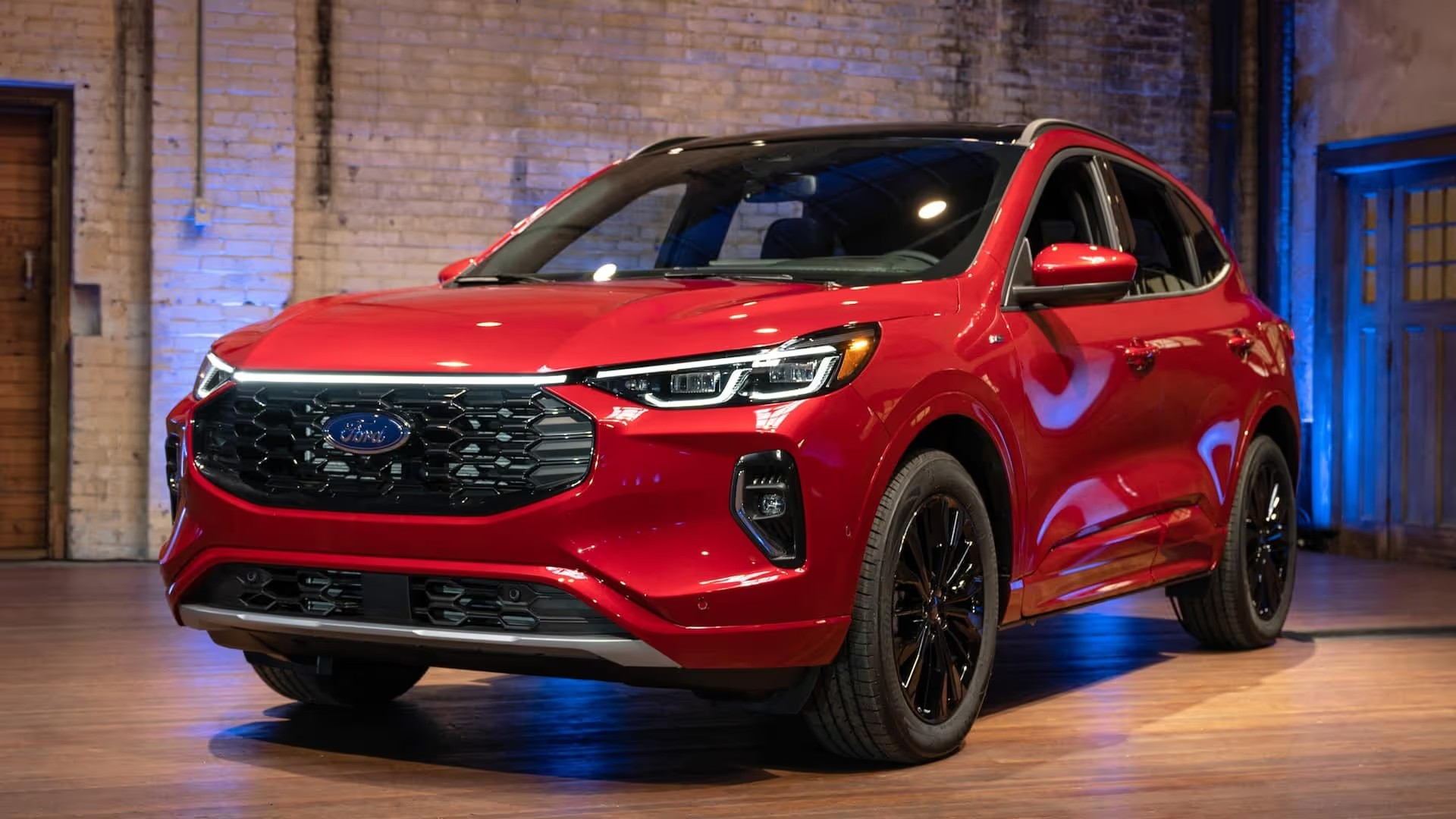
Despite facing regional sales bans, the Escape remains one of Ford’s best-selling models. Data shows that in 2024, the Ford Escape recorded 146,859 units sold in the U.S., a 4.2% year-over-year increase.
Sales in the first quarter of 2025 reached 37,357 units, a slight 2% year-over-year increase.
Looking back, the Escape achieved annual sales of over 300,000 units between 2014 and 2017, and maintained over 200,000 units between 2018 and 2019. Although sales have declined in recent years, its market foundation remains relatively strong.
Nissan Altima
The first generation of the Altima (1992-1997) was derived from the Nissan Stanza but significantly increased in size.
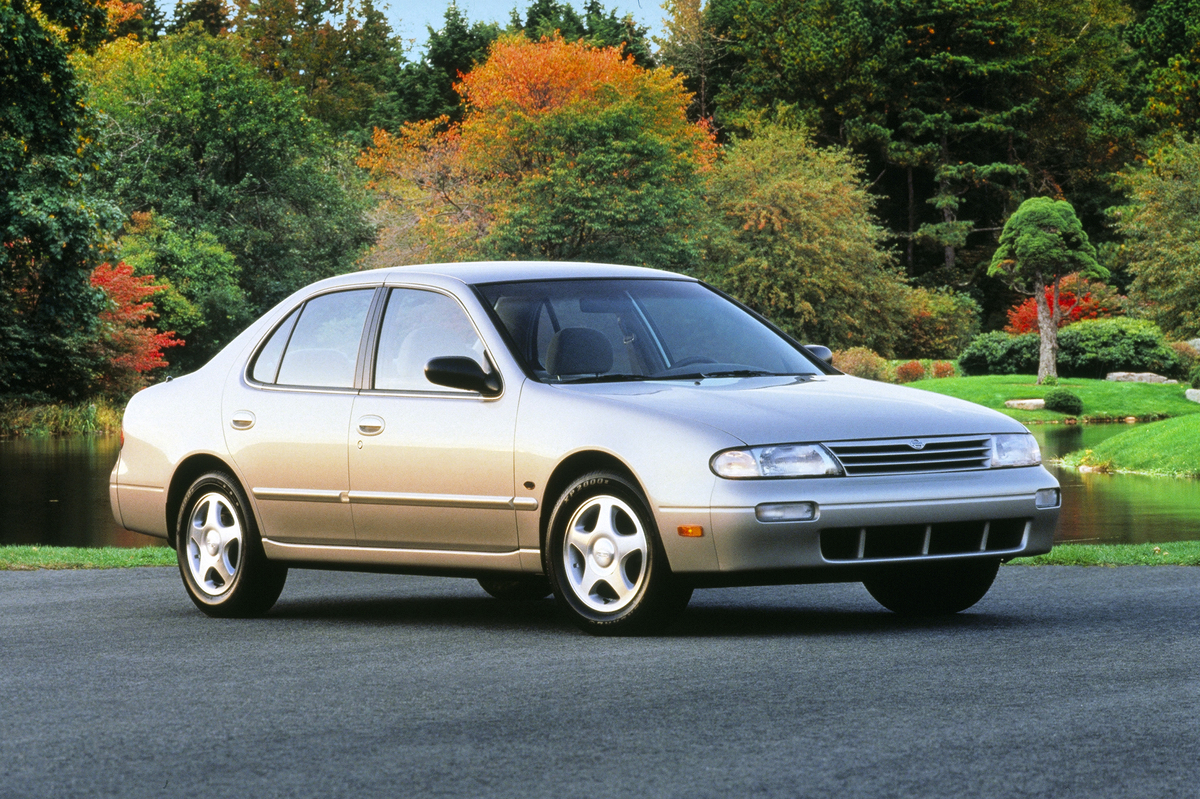
The second generation (1998-2001) began using the VQ series engine.
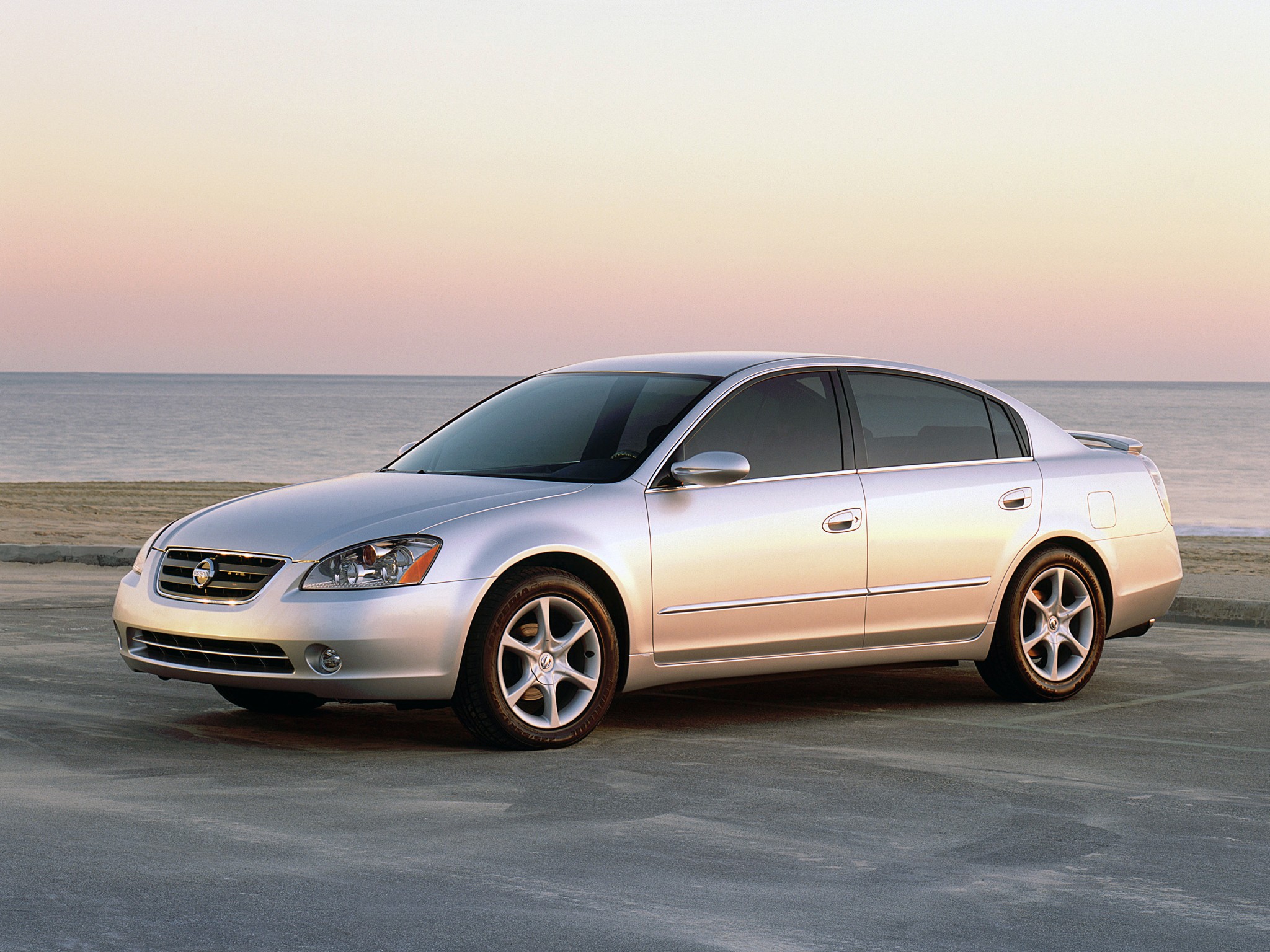
The third generation (2002-2006) was the first to offer a 3.5L V6 option, becoming one of the fastest front-wheel-drive sedans at the time.
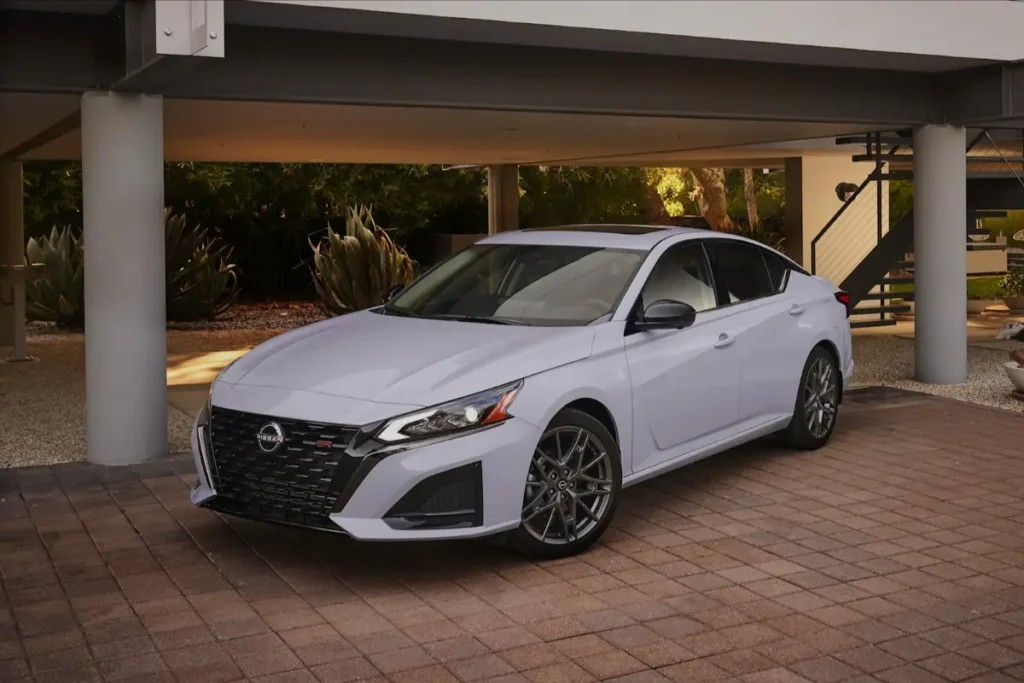
The most revolutionary model was the seventh generation (2019-2026): the world’s first mass-produced variable compression ratio engine (VC-Turbo) capable of smartly adjusting the compression ratio between 8:1 and 14:1, perfectly balancing performance and fuel efficiency. The ProPILOT driver assistance system also reached Level 2 autonomous driving capabilities.
However, emission regulations became the fatal blow that led to the discontinuation of the Nissan Altima.
In 2027, the new regulations implemented by the US EPA require a 28% reduction in fleet average carbon emissions. Continuing production of midsize sedans will significantly increase compliance costs. Nissan stated: “Keeping the Altima would mean cutting production of more profitable SUVs, and the answer to that choice is obvious.”
The most revolutionary was the seventh-generation model: the world’s first mass-produced variable compression ratio engine (VC-Turbo), capable of intelligently adjusting the compression ratio between 8:1 and 14:1, perfectly balancing performance and fuel economy. The ProPILOT driving assistance system even achieved L2 level autonomous driving capability.
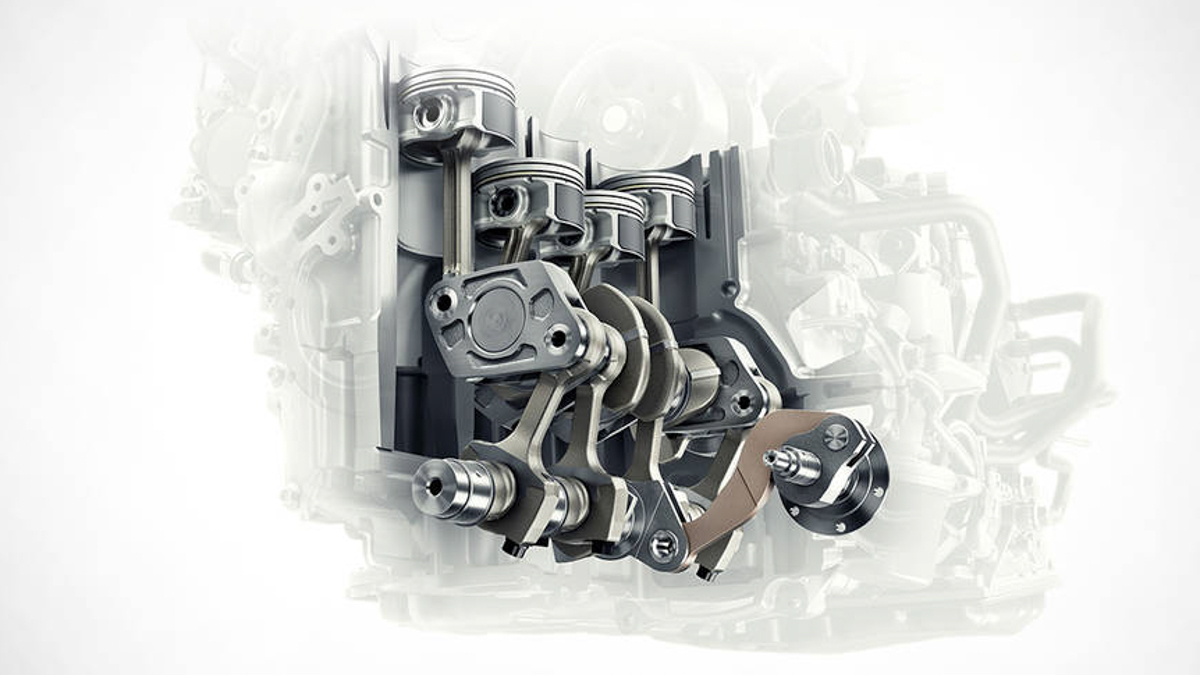
However, stringent emission regulations became the final blow. In 2027, the new regulations implemented by the US EPA require a 28% reduction in fleet average carbon emissions. Continuing production of midsize sedans will significantly increase compliance costs. Nissan’s R&D Director Takao Asami stated: “Keeping the Altima would mean cutting production of more profitable SUVs, and the answer to that choice is obvious.”
Nissan Versa
As one of the last models in the North American market with a starting price below $15,000, the Nissan Versa represents the final stronghold of affordable cars.
The first generation (2006-2011) was known for its spacious rear seating, earning it the nickname “a mobile living room”; the second generation (2012-2019), although smaller in size, improved fuel economy to 40 mpg (approximately 5.9L/100km).
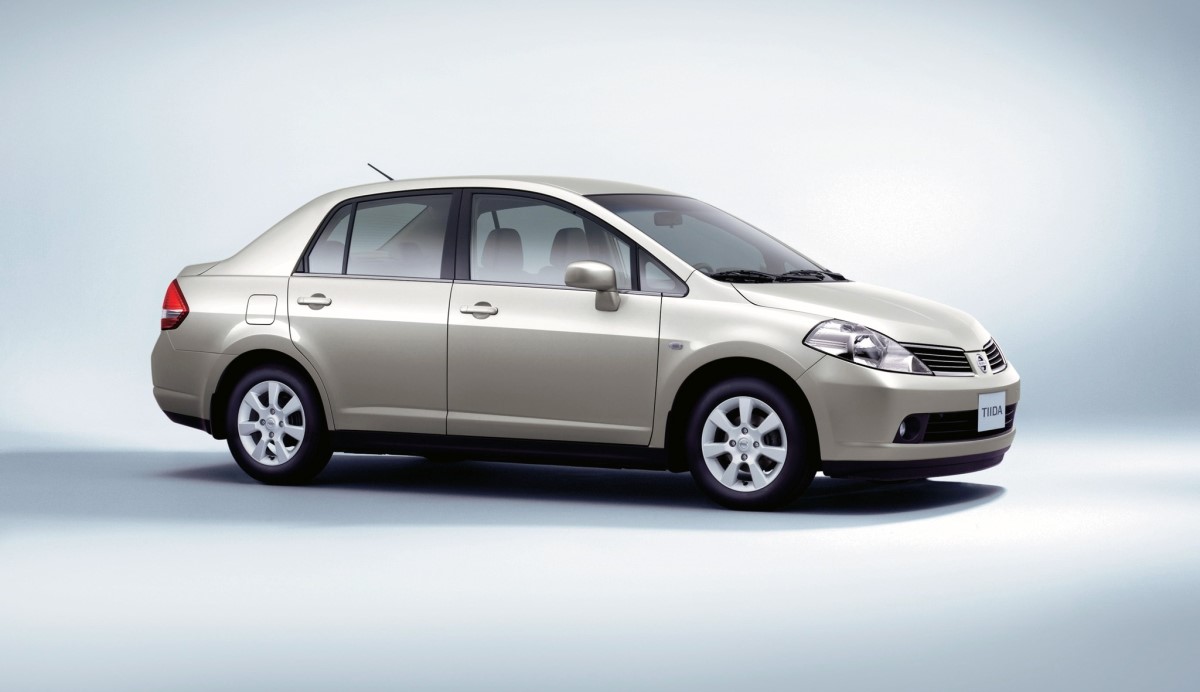
The current Versa (2020-2026) is built on the CMF-B platform, with its exterior design aligning closely with the Altima, even featuring the rarely seen multi-link independent rear suspension in its class.
However, a low price means slim profit margins: the net profit for each Versa is less than $800, while the profit for a Rogue SUV can be ten times that amount.
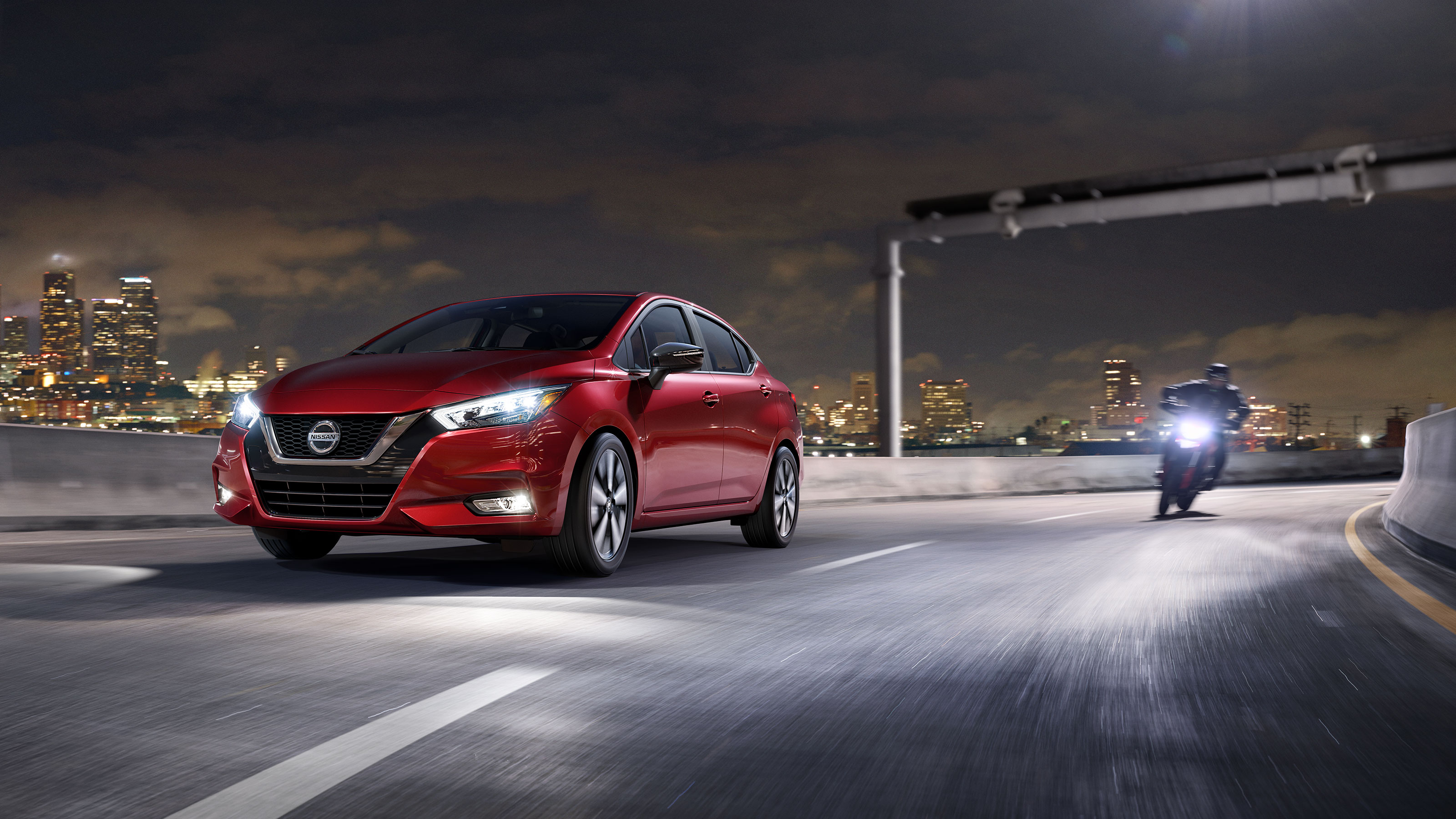
Sales Vice President Jérémie Papin revealed: “Consumers are now more willing to finance a $25,000 SUV than to purchase a $15,000 sedan outright.” In 2023, Versa sales plummeted to less than 30,000 units, making discontinuation inevitable.
Subaru Legacy
Few people know that the Legacy was originally designed as a civilian model to conquer rally stages. In 1990, the first-generation Legacy, equipped with the EJ series horizontally-opposed engine and symmetrical all-wheel drive system, directly gave rise to the Impreza STI that later dominated the WRC circuit. The stability in handling brought by its low center of gravity design remains a classic case in automotive engineering to this day.
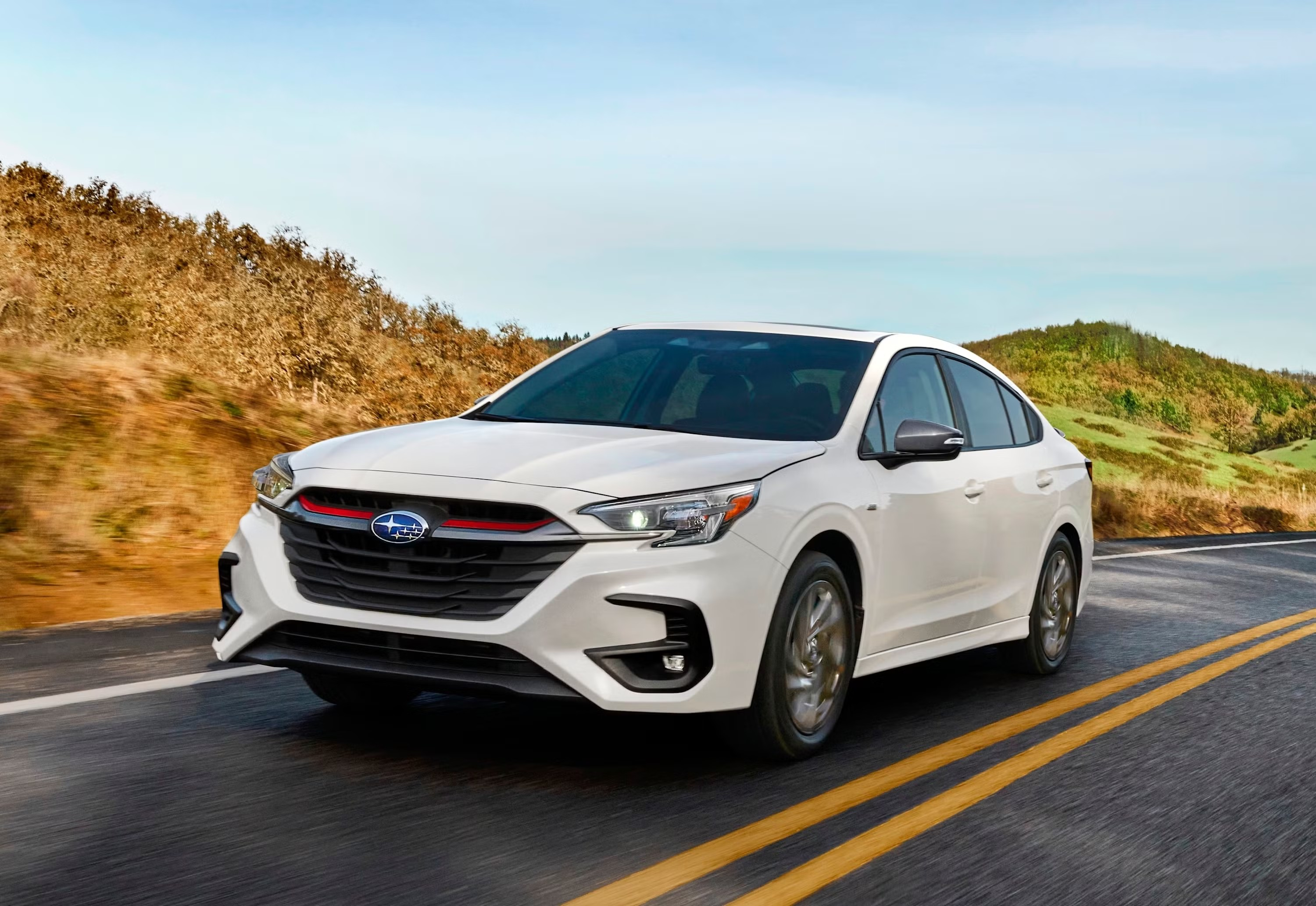
The fifth-generation Legacy (2019 model) was the first to feature the DriverFocus anti-fatigue driving system. In the North American market, the Legacy has been an IIHS Top Safety Pick for 15 consecutive years, and its reliability on icy and snowy roads has become legendary in North American mountainous regions.
However, despite these honors, only 12,000 units of the Legacy were sold in North America in 2022, less than one-tenth of the OUTBACK SUV.
Infiniti QX50/QX55
The predecessor of the QX50 is the EX series (2007-2013), which pioneered the design concept of combining coupe lines with SUVs.
The current QX50 (2018-2026) is equipped with the VC-Turbo engine, which is the culmination of 20 years of Nissan research, featuring variable compression ratio technology to optimize combustion efficiency in real-time.
This engine development cost over $2 billion and is one of the most complex internal combustion engines in the world.
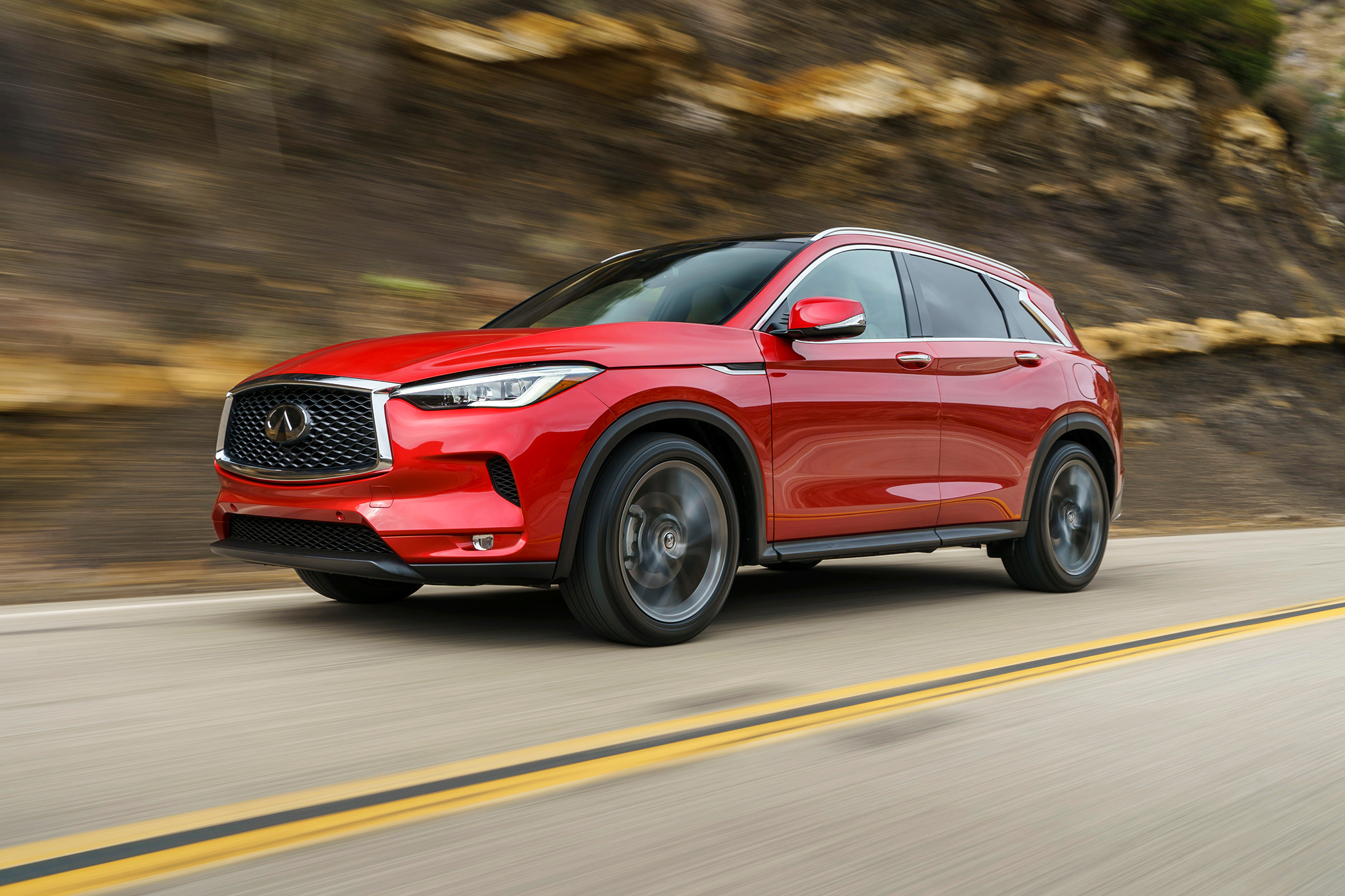
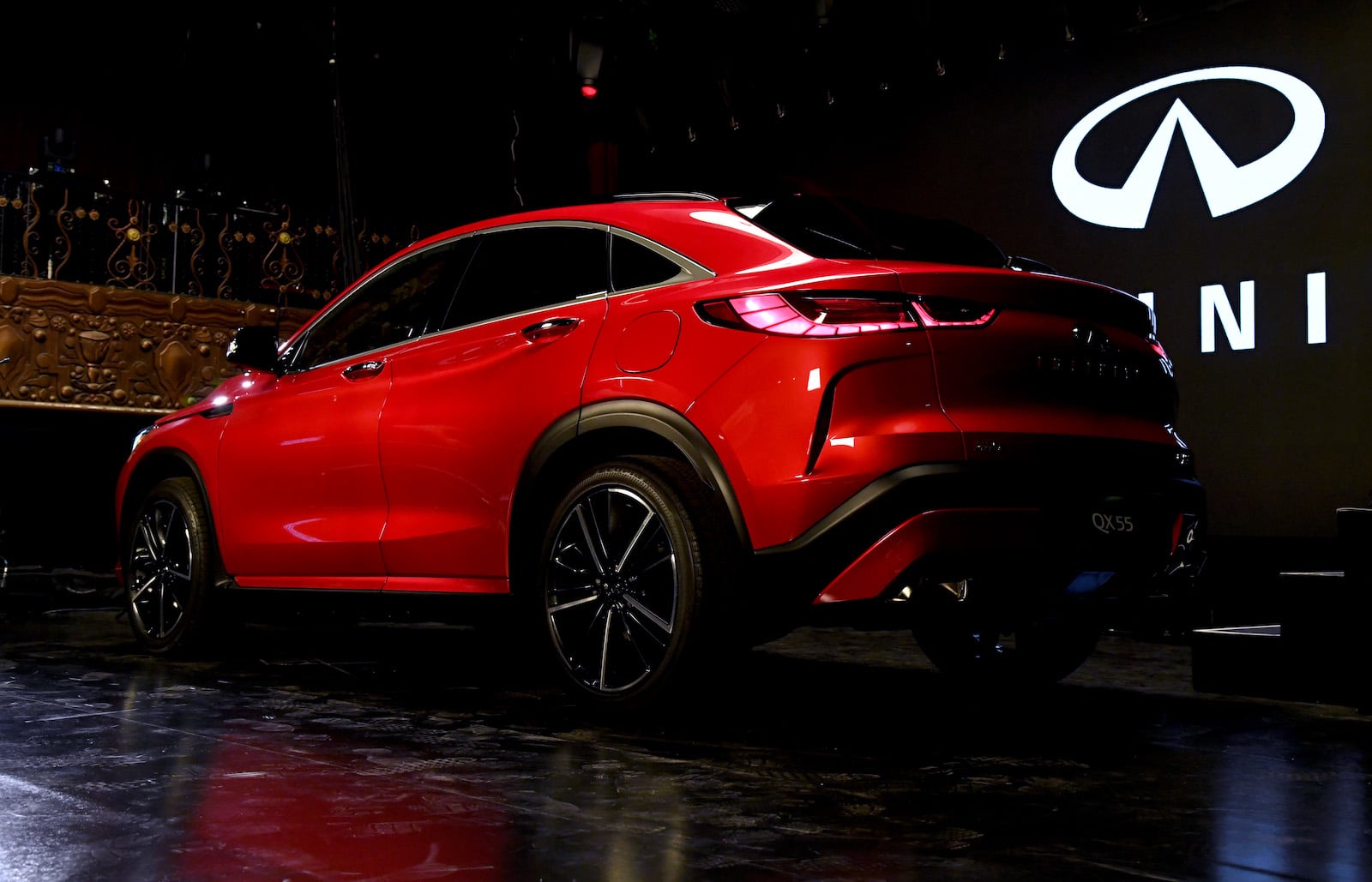
The QX55 (2021-2026), as the coupe SUV version, revives the classic fastback design of the 2003 FX series and is equipped with the ProPILOT Assist 2.0 driving assistance system.
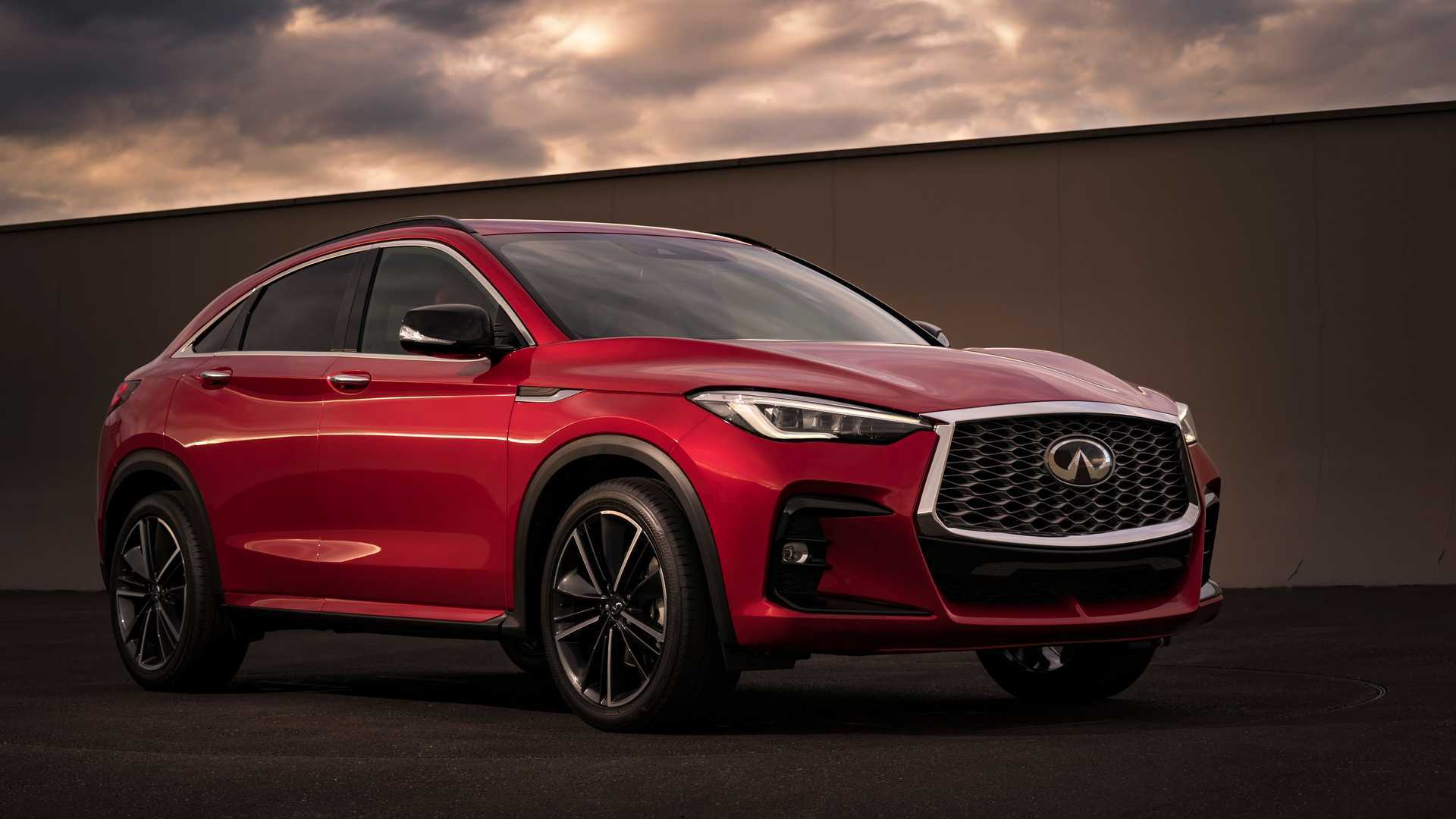
However, they are well-received but not popular, with combined sales of the QX50 and QX55 in 2023 falling short of 40,000 vehicles, while the R&D cost apportioned to each car exceeds $10,000.
Infiniti stated that it cannot continue bearing such high investment costs in fuel technology R&D. With Nissan fully transitioning to e-POWER hybrid technology, these masterpieces of fuel technology will become a thing of the past.
The collective discontinuation of these models not only marks the end of a product cycle but also symbolizes the final chapter of the internal combustion engine era. They once represented the pinnacle of automotive engineering, drove technological innovation, met consumer demands, and shaped driving culture.
If any infringement occurs, please contact us for deletion
Because of lack of funds to upgrade the factory, Volkswagen postponed the release of ID.Golf and ID.Roc
JamesSep 17, 2025, 04:51 PM
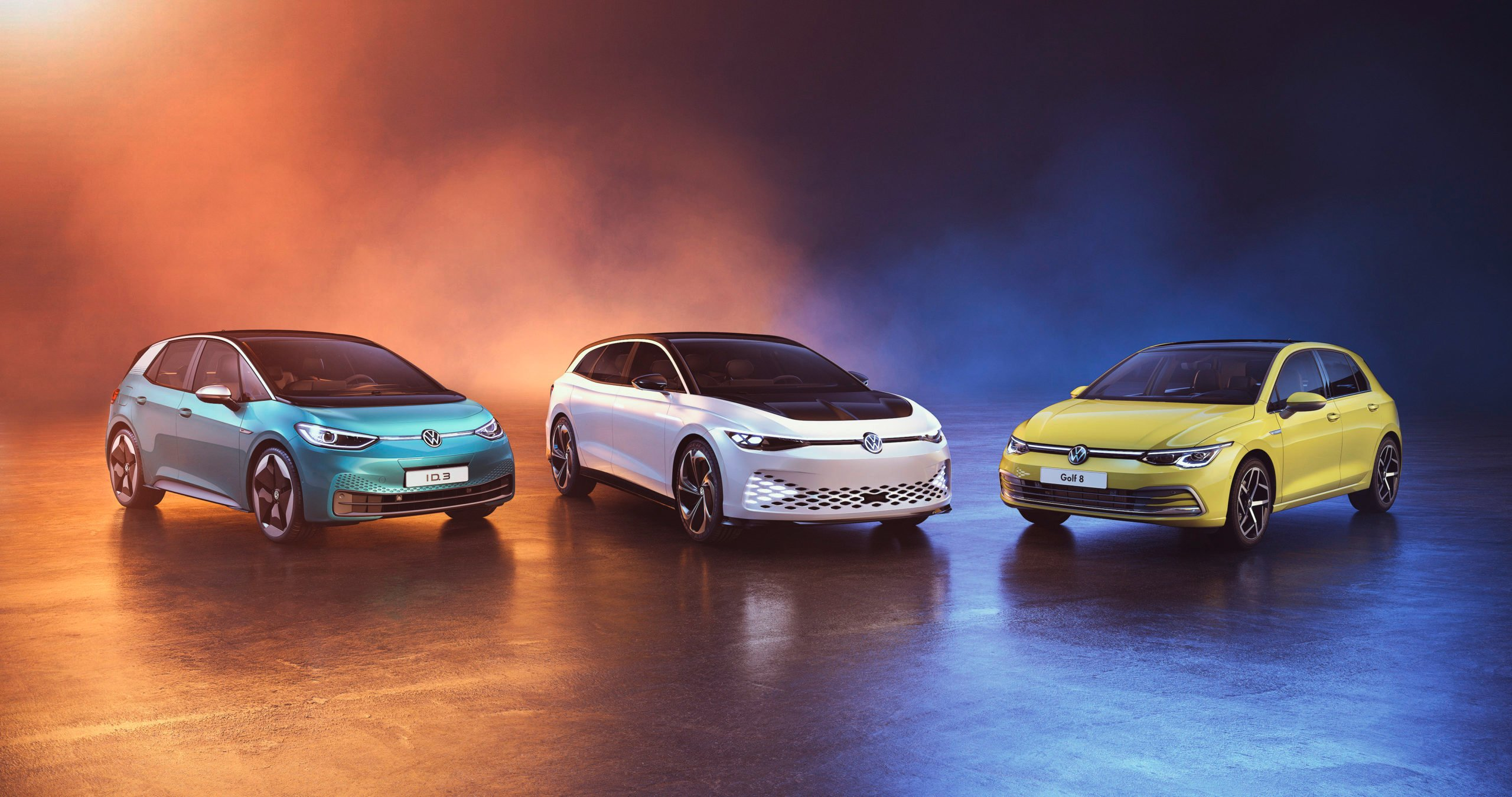
[PCauto] Volkswagen’s electrification transformation strategy is facing major challenges. The originally planned key EV models, ID. Roc and ID. Golf, set to launch in the autumn of 2029, have now been confirmed delayed.
ID. Roc, as the first model of Volkswagen’s new generation SSP (Scalable Systems Platform), is expected to be delayed to the summer of 2030, and the release date for ID. Golf has also been adjusted to approximately 2030.
Lack of funds is one of the main reasons for the delay
Volkswagen saved 1.5 billion euros last year through cost-cutting measures, but is still facing enormous financial pressure.
Internal sources revealed that actual sales of electric vehicles failed to meet expectations, leading to overinvestment in plans originally designed for larger production scales.
Volkswagen is preparing for a supervisory board meeting to evaluate the capacity utilization of its global factories and to develop a financial plan for the next five years.
The original plan to relocate the fuel version Golf production line from Wolfsburg, Germany to the Puebla factory in Mexico to make space for SSP platform EVs may also be postponed.
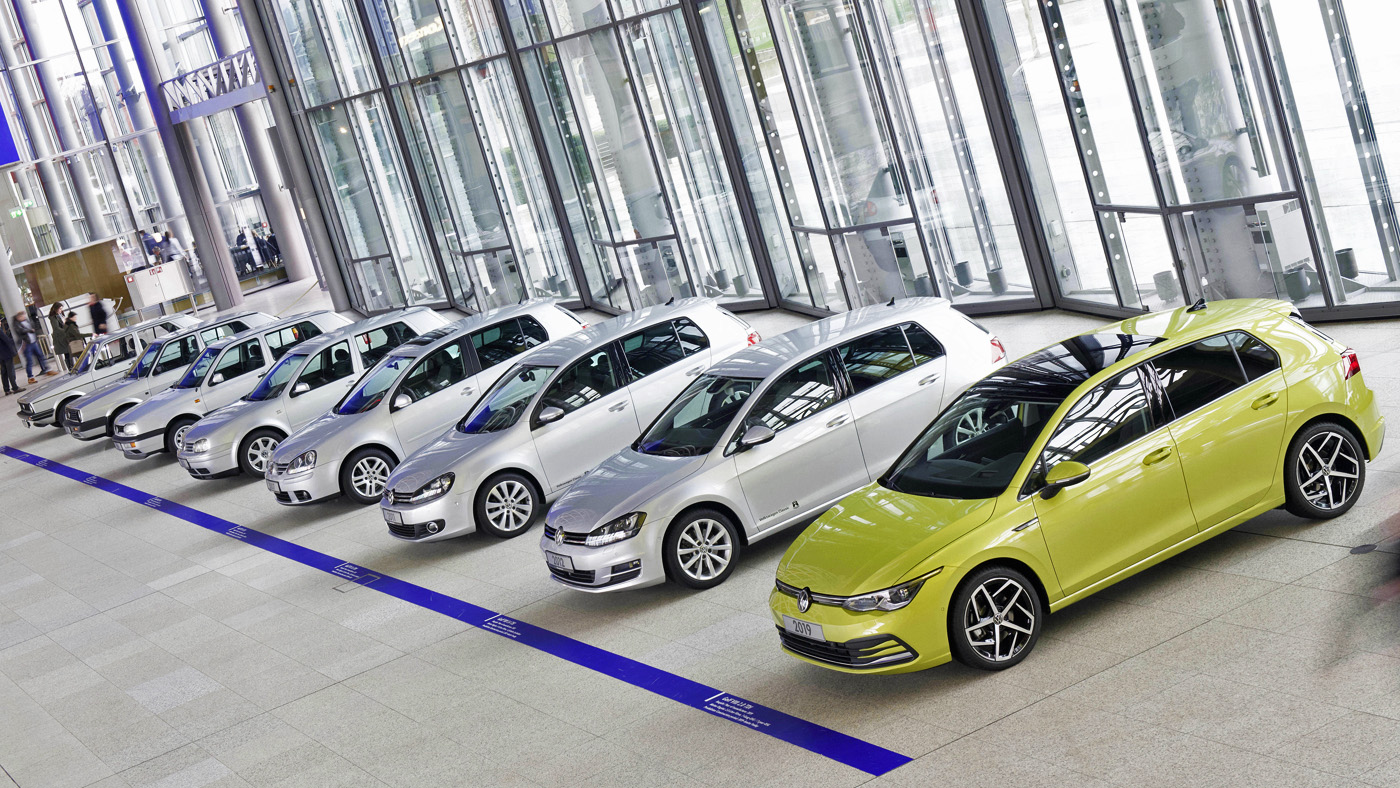
Volkswagen has outlined significant investment plans for its electrification strategy, including over 15 billion euros by 2026 for developing new electric vehicles and expanding battery production. Its battery subsidiary, PowerCo, further plans to invest over 20 billion euros in the battery business by 2030.
However, the funds may be prioritized to address technical issues at the Wolfsburg factory rather than cutting-edge research and development. Frequent production line stoppages at the factory have reduced weekly output by thousands of vehicles, highlighting operational efficiency problems.
Slow Growth in European EV Sales
However, according to the European Automobile Manufacturers Association (ACEA), new energy vehicle (NEV) sales in Europe actually grew by 23.7% year-on-year in the first half of 2025, with battery electric vehicle (BEV) sales increasing by 24.9%.
The inventory turnover period for Volkswagen’s ID series has been extended to 60 days, exceeding the industry average of 45 days. This weakened demand has forced Volkswagen to reevaluate its product strategy.
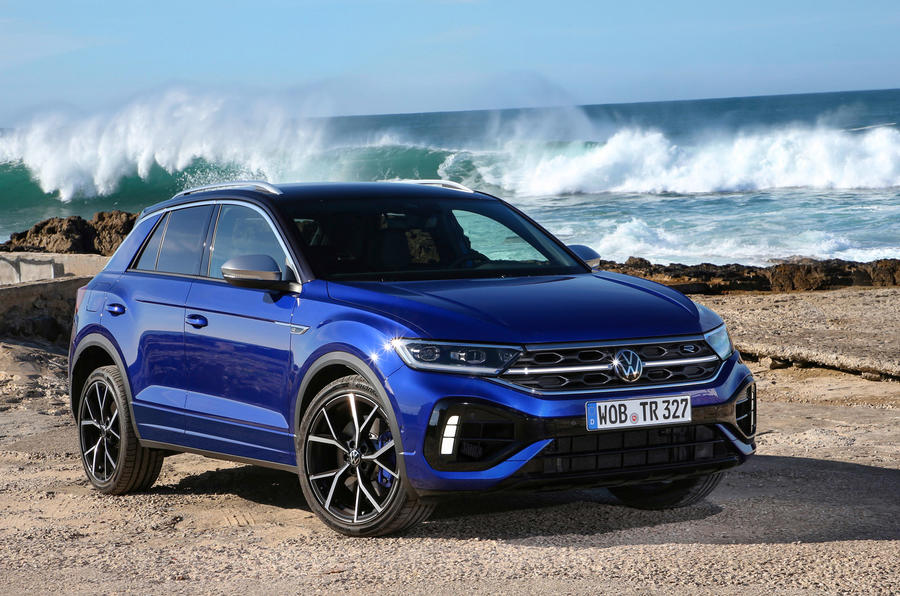
Company CEO Oliver Blume stated at the recent IAA motor show that Volkswagen places more emphasis on product quality than launch speed, but this does not deny the delay rumors.
Competition in the European electric vehicle market is also becoming increasingly fierce, further adding to Volkswagen’s challenges. Hyundai’s IONIQ 6 has exceeded sales expectations, and Chinese automakers like BYD are accelerating their expansion into Europe, leveraging gaps in the low-cost EV market.
Volkswagen plans to introduce entry-level electric vehicles, leveraging partnerships and platform developments (including the MEB platform and collaborations like the China Electronic Architecture (CEA) with XPeng), with targets for starting prices around 25,000 euros for models like the ID.2. However, these models have not yet launched, and achieving significant cost reductions remains a challenge.
Volkswagen Faces Challenges Outside of Europe as Well
To adapt to the Chinese market, Volkswagen is collaborating with XPeng to develop the China Electronic Architecture (CEA). On a global scale, Volkswagen has also entered a major partnership with Rivian, investing $5.2 billion in a joint venture to co-develop electrical architecture and software for the next generation of Software-Defined Vehicles (SDVs).
This differentiation strategy, while aiding localization, also increases the difficulty and cost of technological integration.
The policy of banning the sale of fuel vehicles in the EU by 2035 has yet to be finalized, and Volkswagen may continue selling the eighth-generation Golf until the ban takes effect.
However, sales of the Golf model are declining, with annual production dropping sharply from 1 million units in 2015 to 300,000 units in 2024, partly due to internal competition with the similarly positioned T-Roc model.
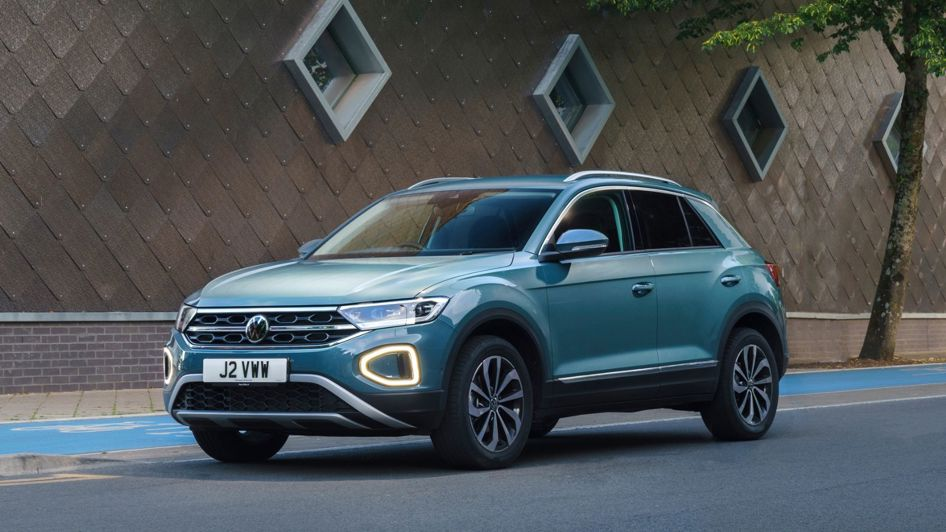
The delay in Volkswagen’s electric vehicle plans is not merely a simple adjustment in product launches but a microcosm of the challenges faced by the entire European automotive industry’s transition to electrification. From factory transformations to in-house software development, from cost control to global market coordination, traditional carmakers like Volkswagen face systemic challenges.
GAC Toyota collaborates deeply with HUAWEI, Xiaomi, and Momenta to launch bZ7 in China
AshleySep 17, 2025, 03:33 PM
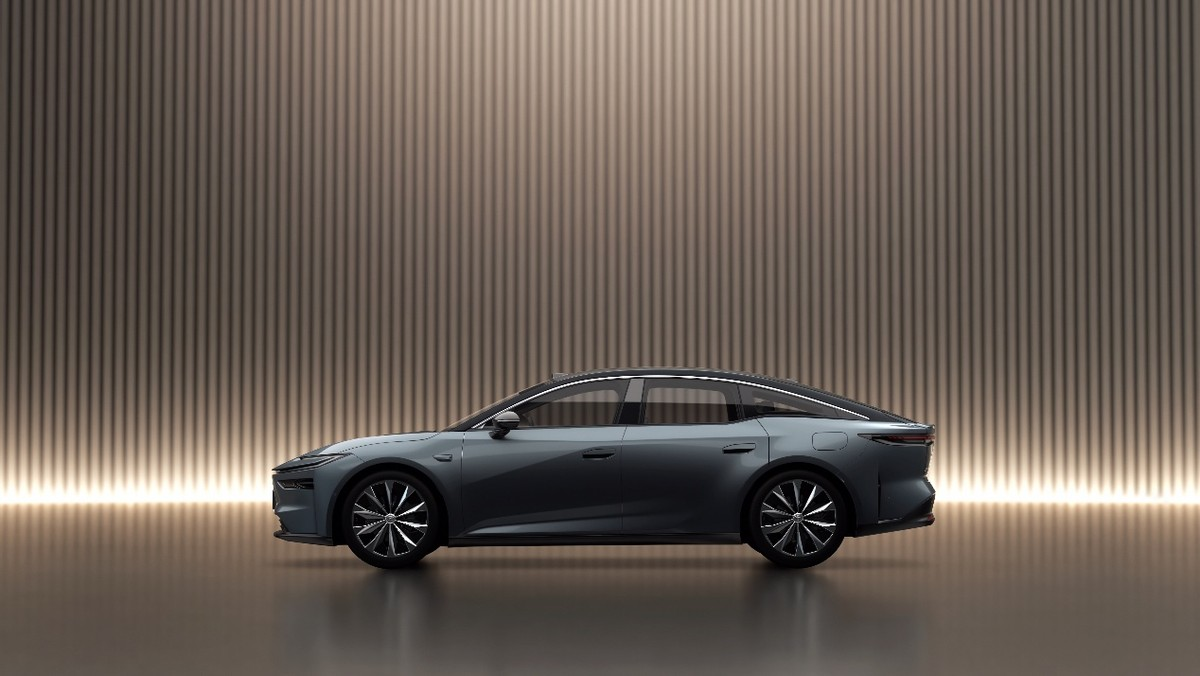
[PCauto] To further strengthen its position in China’s electric vehicle market, GAC Toyota (the joint venture between GAC and Toyota) has entered into a deep collaboration with HUAWEI, Xiaomi, and Momenta. This partnership has culminated in the development of the bZ7, a pure electric vehicle that integrates technologies from all three companies.
Each partner contributes its distinct technical expertise: HUAWEI provides the HarmonyOS intelligent cockpit and electric drive system, Xiaomi enables its ‘Human-Vehicle-Home’ ecosystem for seamless connectivity with smart devices, and Momenta delivers the advanced intelligent driving assistance system. This convergence of leading technologies naturally sparks great curiosity about the capabilities and experience of the bZ7.
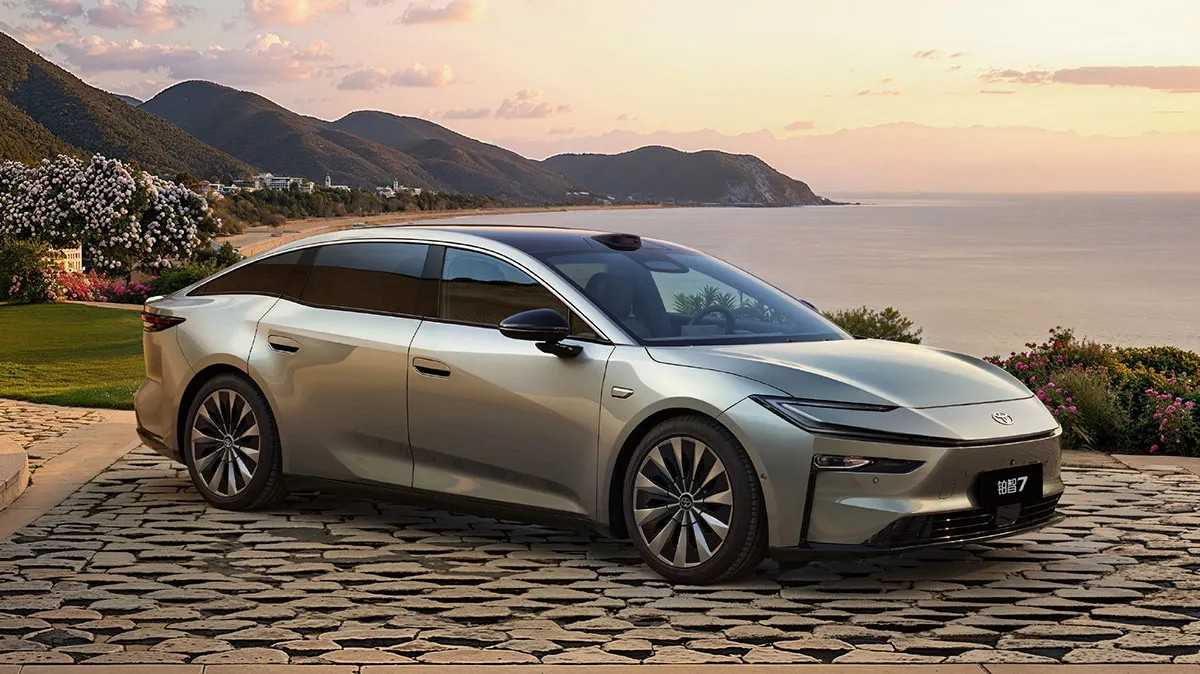
bZ7 boasts a body length of 5.1 meters
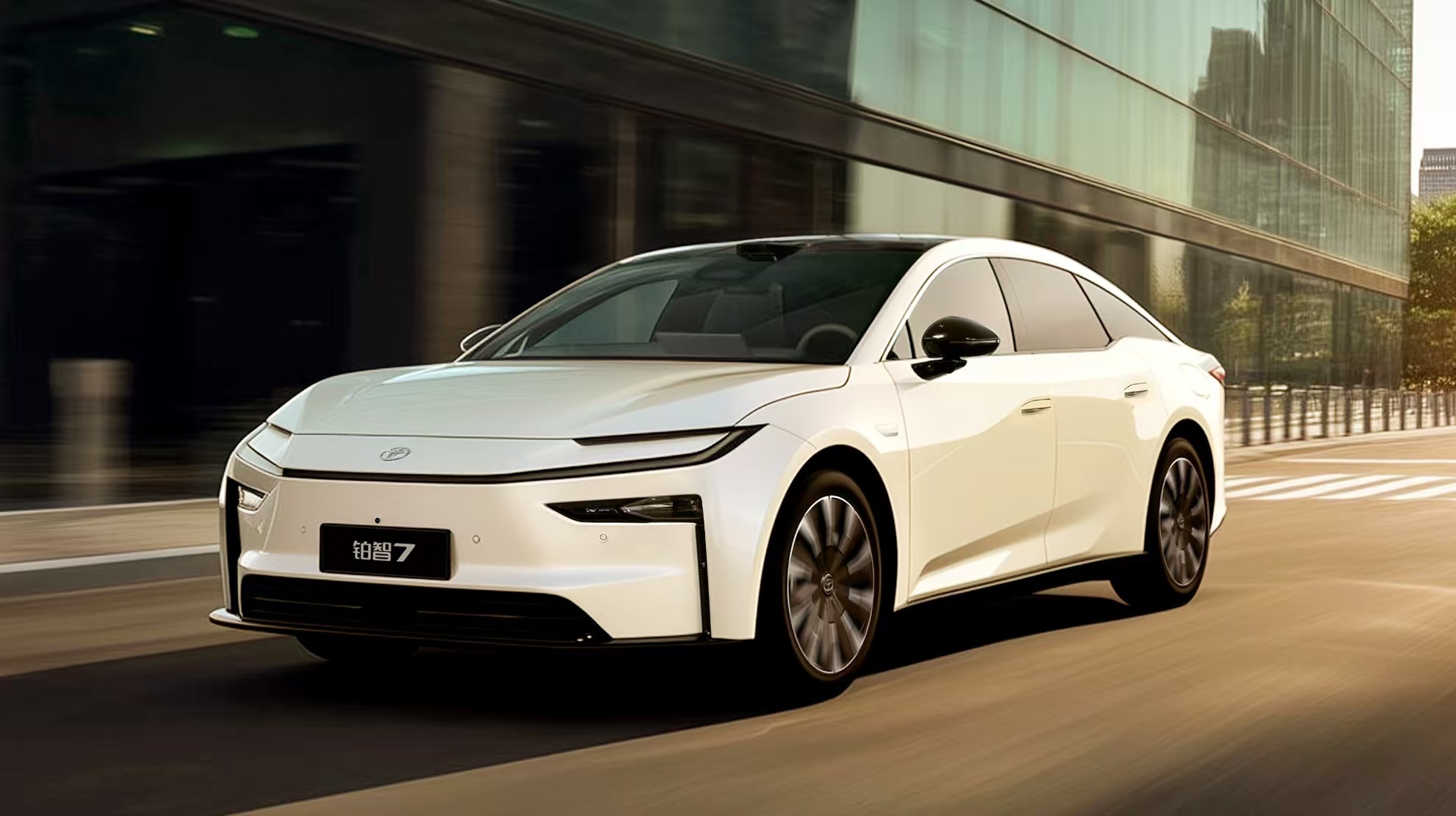
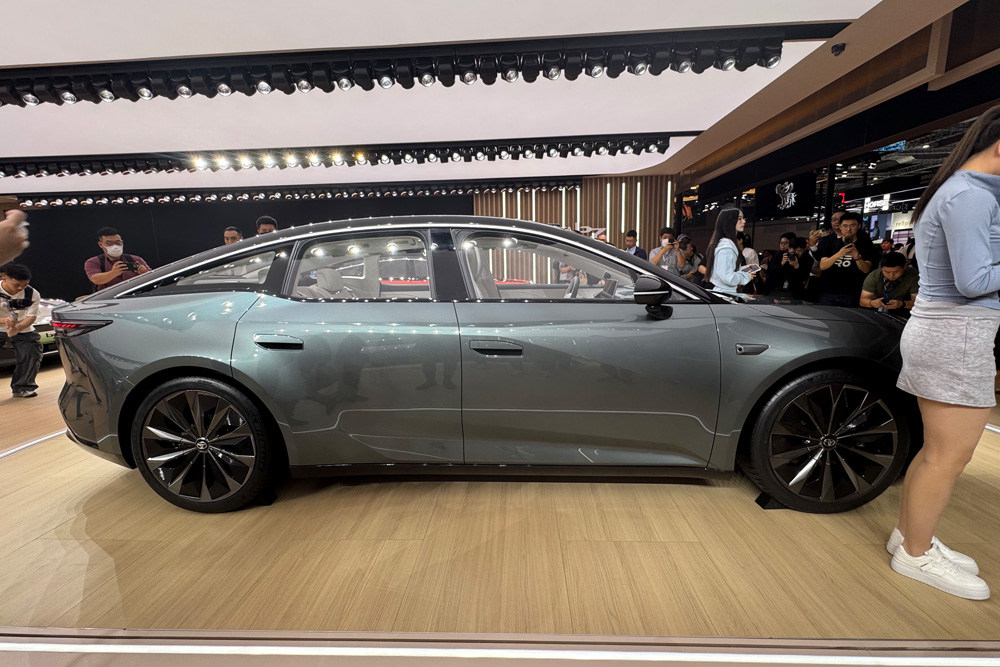
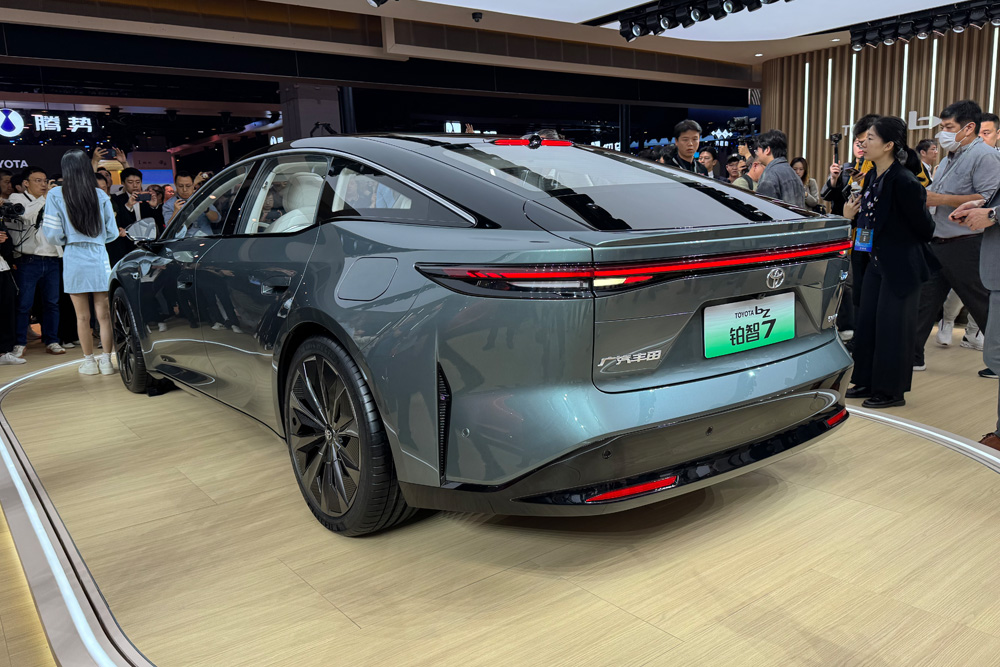
As the flagship model of Toyota’s bZ series, the bZ7, with its body length exceeding 5.1 meters and a wheelbase of 3.02 meters, is positioned directly for the high-end pure electric sedan market.
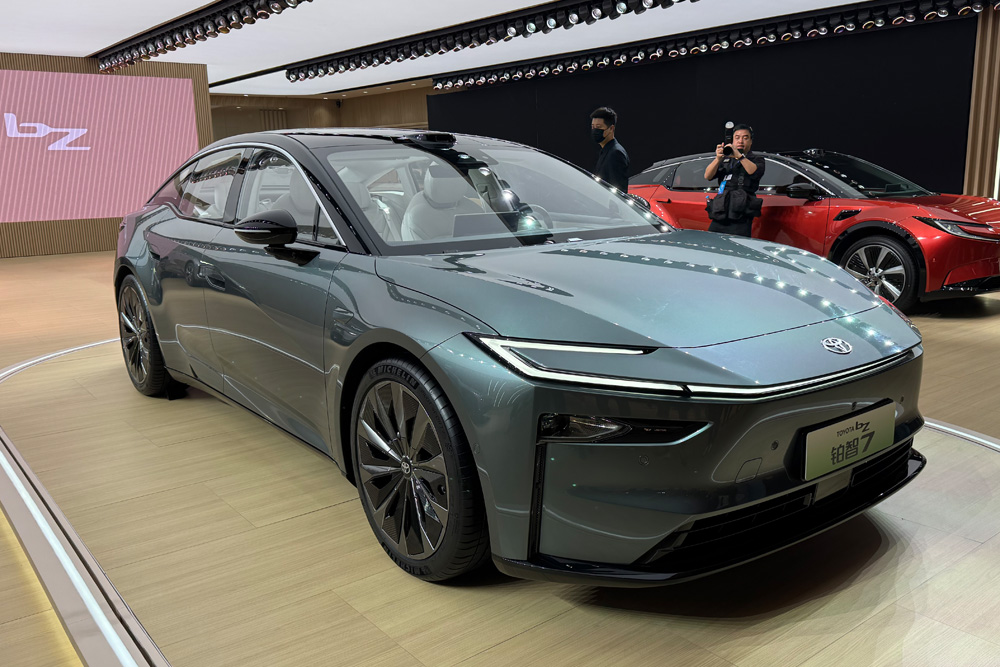
The bZ7 continues the design philosophy of the bZ family, while incorporating more localized elements. Its fastback coupe styling combined with a C-shaped running light strip creates a strong visual impact.
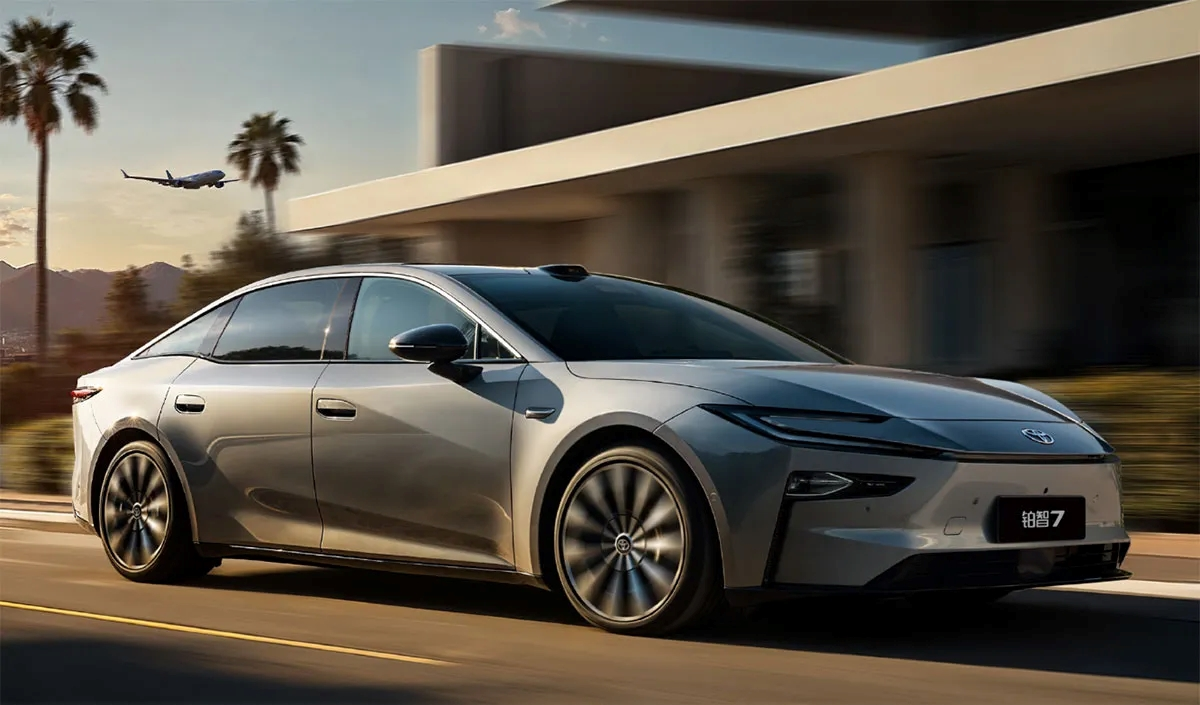
The application of frameless doors and hidden door handles not only enhances the technological sense of the entire vehicle but also reduces the drag coefficient to 0.22-0.23Cd, a figure even better than Tesla Model S’s 0.28Cd.
The interior design of bZ7 focuses more on creating a sense of luxury
In terms of interior design, the bZ7 balances technological sense with luxury quality and practicality.
White perforated leather seats paired with wood grain trim, 32-color ambient lighting, and a panoramic sunroof create a comfortable driving and riding environment.
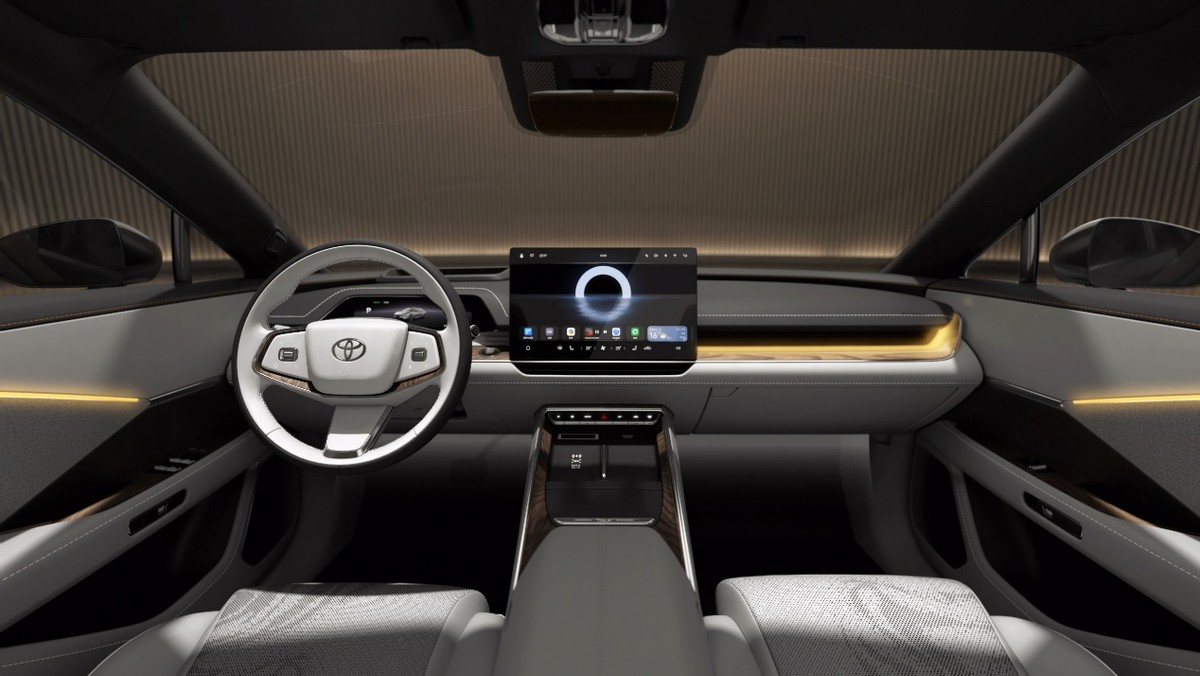
The rear legroom reaches 980-1020mm, 125mm more than the Camry, a measurement that even exceeds some D-segment luxury sedans.
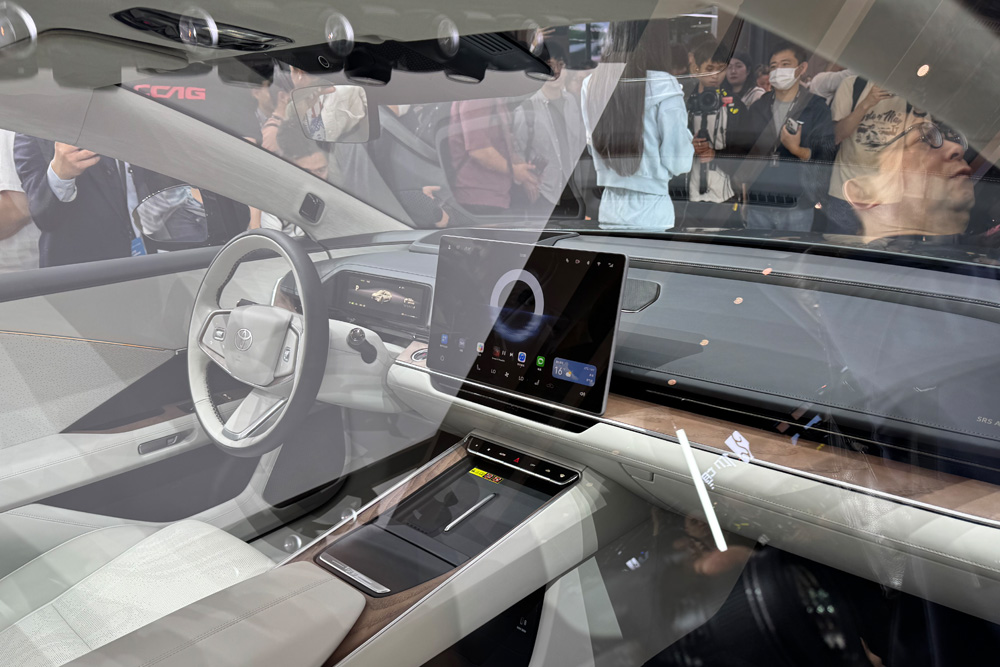
It is worth mentioning that Toyota, while emphasizing technology, still retains necessary physical buttons. This design not only considers operational convenience but also reflects Toyota’s consistent pragmatic philosophy.
bZ7’s powertrain specifications
In terms of powertrain, the bZ7 offers two versions: single-motor rear-wheel drive and dual-motor all-wheel drive. The single-motor version has a maximum power of 207kW (approximately 281 horsepower), while the dual-motor version delivers a combined power of 400kW.
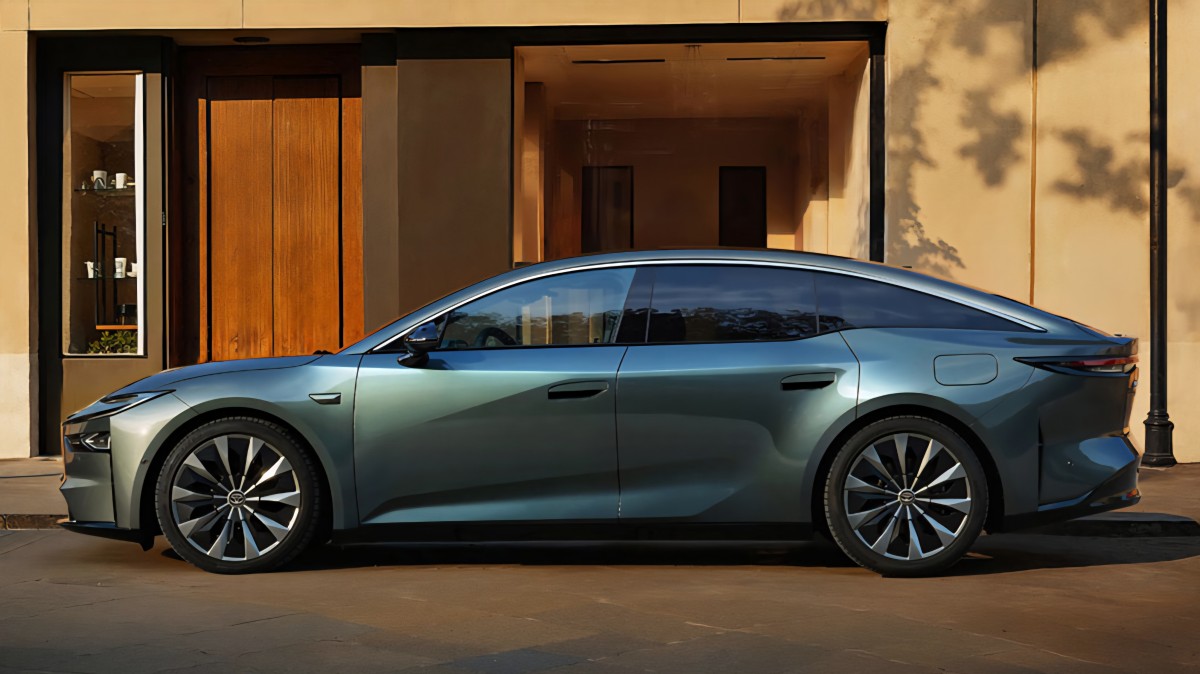
The battery is equipped with lithium iron phosphate cells, with capacities of 85kWh and 90kWh, and a maximum CLTC range of 800 kilometers.
Particularly noteworthy is its fast-charging capability, supporting 240kW super-fast charging, which can add 400 kilometers of range in just 10 minutes. This figure has already reached an industry-leading level.
HUAWEI’s Smart Cockpit System in the Toyota bZ7
As a key technical partner, HUAWEI supplies the HarmonyOS smart cockpit system for the bZ7, making it the first Toyota model to feature HUAWEI’s infotainment technology.
This system includes a 15.6-inch floating central display and a 12.3-inch embedded digital instrument cluster. It supports multi-screen collaboration and seamless cross-device connectivity, enhancing the in-car user experience.
This deep collaboration model is different from a simple supplier relationship; it is a result of joint development by both engineering teams.
Xiaomi Provides Vehicle and Smart Home Device Connectivity for bZ7
The collaboration with Xiaomi showcases bZ7’s innovation in ecosystem connectivity.
By integrating with Xiaomi’s “human-vehicle-home” full ecosystem, the bZ7 achieves seamless interaction between the vehicle and smart home devices.
Car owners can control Xiaomi smart devices at home from within the car and can also remotely monitor vehicle status through Xiaomi smartphones and other terminals.
This cross-domain ecosystem integration allows bZ7 to go beyond the traditional definition of a transportation tool, becoming an important gateway to intelligent living scenarios.
Particularly worth mentioning is the integration of a wireless charging module in the armrest box that supports both Xiaomi and Huawei dual protocols, with a maximum power of 15W.
Momenta as bZ7’s Autonomous Driving Technology Partner
Based on a deep understanding of China’s complex traffic scenarios, Momenta’s system is specially optimized for performance in uniquely Chinese road environments, including scenarios like sudden appearances of non-motorized vehicles and complex intersections.
Its deep learning algorithms, trained on millions of kilometers of real-road data, enable better comprehension of drivers’ behavioral habits.
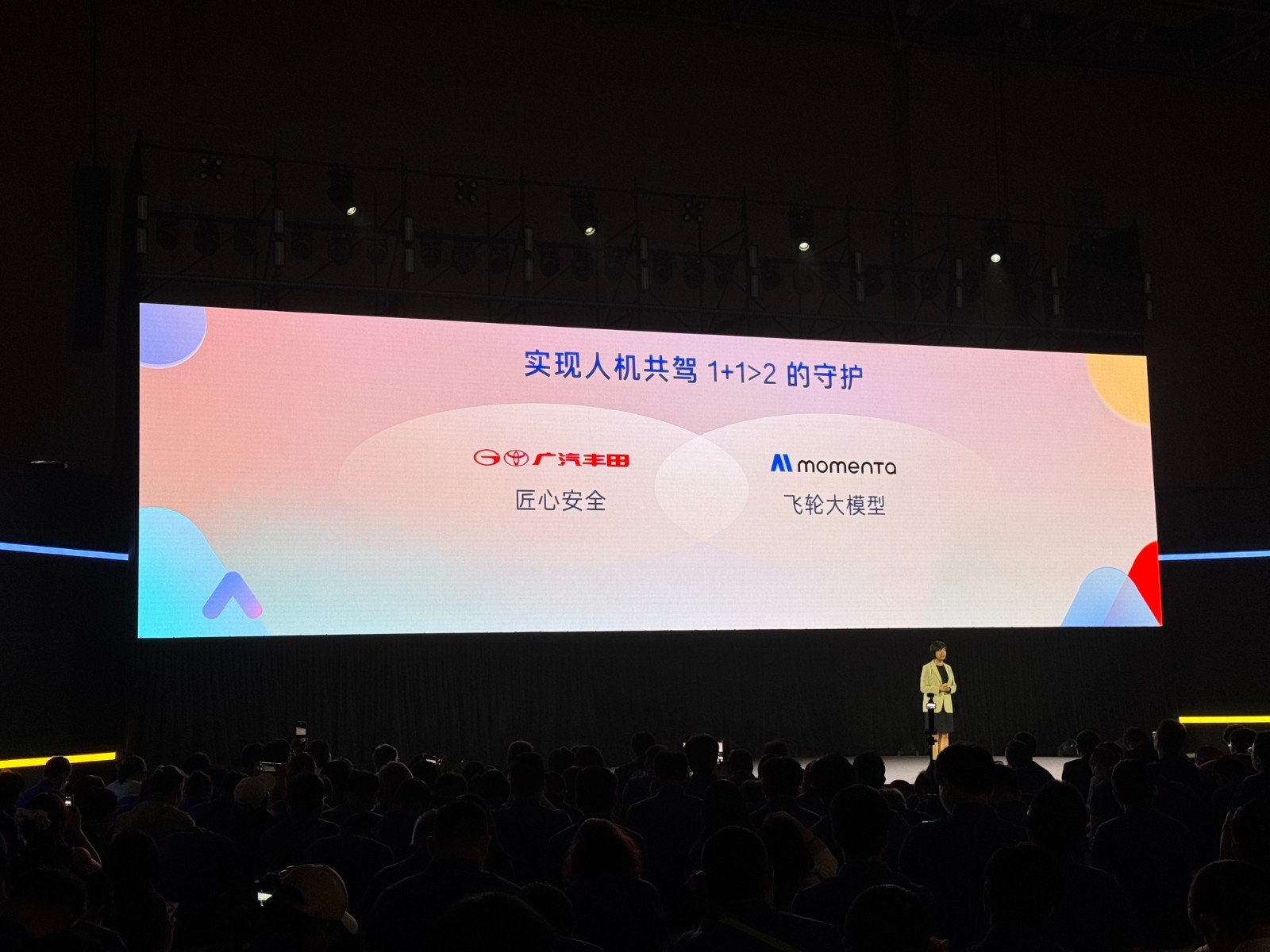
Unlike the previous model of fully independent development, the bZ7 adopts a new approach of “platform self-research + key technology collaboration”.
Toyota retains independent development of core technologies such as the vehicle platform and the three-electric system, while choosing to cooperate with top technology companies in emerging fields such as intelligent cockpits and autonomous driving.
This model not only leverages Toyota’s traditional advantages in automobile manufacturing but also quickly compensates for its shortcomings in software and intelligence through collaboration.
In preliminary research, more than 70% of potential consumers indicated that the technological support from HUAWEI and Xiaomi increased their interest in the bZ7. Particularly among the main consumer group aged 25-35, the appeal of tech brands complements the reliability of traditional automotive brands effectively.
This cooperation model reflects Toyota’s special attention to the Chinese market
As the world’s largest electric vehicle market, the unique demands of the Chinese market prompted Toyota to adopt a more open collaboration strategy.
By collaborating with China’s top tech companies, the bZ7 not only gains technological advantages but also enhances its localized features, which is of significant importance for its competitiveness in the Chinese market.