



Toyota Mystery Project teaser sparks speculation, Akio Toyoda personally involved in teaser process
[PCauto] The release date for Toyota’s officially teased “Mystery Project” (October 13) is approaching. This mystery countdown, which began on September 19, has sparked widespread discussion in the global automotive industry with daily encrypted clues, cross-brand logo combinations, and Toyota Chairman Akio Toyoda personally “correcting mistakes.”
Although the exact product form has not yet been revealed by the company, based on official teasers, industry analysis, patent clues, and supply chain dynamics, the outline of this “puzzle” is gradually becoming clearer.
The suspense started with a 15-second video
The story begins with Toyota North America’s official Twitter account releasing a 15-second black-and-white teaser video on September 20.
In the footage, glowing circuit board patterns faintly appear, accompanied by the prominent date “10.13.2025” and the caption simply stating, “The future is connecting.”
This video contains no specific product images or model information, yet it quickly attracted industry attention. As one of the world’s largest automakers by sales, Toyota rarely uses such an ambiguous approach to start product promotions, leaving its intentions open to speculation.
It is understood that this project is internally codenamed “T-Connect” and may be related to breakthroughs in connected car technology or a new type of in-car operating system, expected to showcase AI capabilities that “surpass the existing Teammate driver assistance system.”
This speculation is not groundless. In recent years, Toyota has been continuously increasing investment in the field of intelligent connectivity. Its Arene operating system, launched in 2023, has already been applied in some high-end models, and “T-Connect,” as a new project code, may point towards more advanced human-machine interaction and vehicle-to-road collaborative technologies.
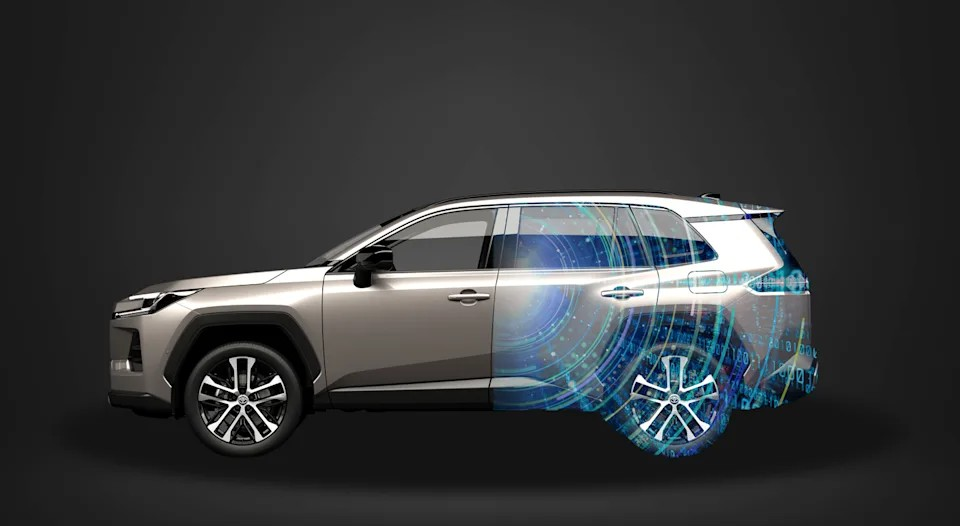
If the official trailer and industry analysis outlined the technical direction of “T-Connect,” then the information from the Japan Patent Office database provides tangible support for this speculation.
In the second quarter of 2025, Toyota submitted several patents related to “biometric steering wheels” and “emotion-responsive cabins,” with some documents explicitly mentioning the “T-Connect system.”
According to the patent description, the “biometric steering wheel” can identify the driver’s identity through hand vein scanning, heart rate monitoring, and other technologies, and simultaneously adjust the seat, air conditioning, and entertainment system settings.
The “emotion-responsive cabin” can capture passengers’ facial expressions through in-car cameras, analyze them along with voice tone, and adjust the ambient lighting and fragrance system in real-time.
If these features are integrated within the same system, they may redefine the standard for a “personalized driving experience.”
Toyota placed more chip orders with Qualcomm and Sony
Toyota has recently significantly increased its procurement orders for Qualcomm’s automotive chips and reached a new partnership with Sony Semiconductor for advanced image sensors.
Qualcomm’s latest 8295 chip has been adopted by multiple automakers, delivering nearly three times the computing power of its predecessor, sufficient to support more complex AI interaction features.
Sony’s automotive sensors, known for their high dynamic range and low-light imaging advantages, may provide technical support for the visual perception module of the “emotion-responsive cabin.”
Akio Toyoda personally intervenes for corrections
Apart from the technological and supply chain clues, Toyota’s display of “interactive marketing” in this event also warrants attention.
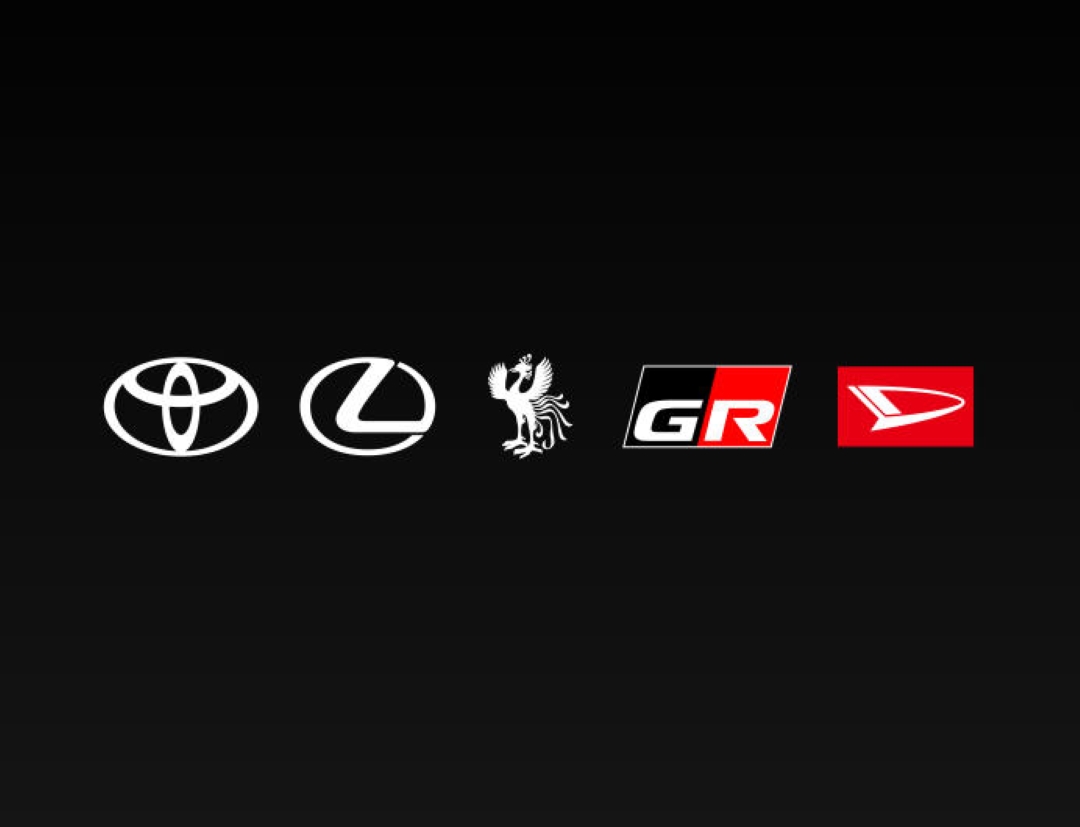
Starting from September 19, the official website has been updating a brief daily hint, covering topics such as the level of project confidentiality (“Details are not disclosed to dealers, and customers’ inquiries cannot be answered”), involved brand logos (“Toyota, Lexus, GR, the red one is DAIHATSU, and the other is Century”), and even mentioned Toyota Chairman Akio Toyoda’s Instagram updates.
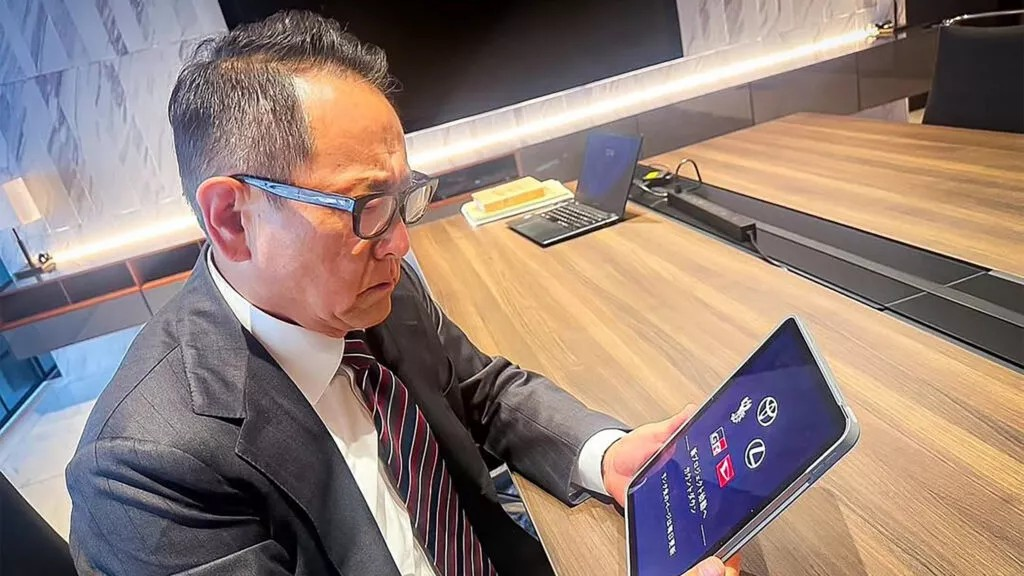
The climax of this “interaction” occurred on September 22. Akio Toyoda posted on his personal Instagram, frankly pointing out the misplacement of the brand logos on the official website homepage: “The Century logo is placed on the far left, which is incorrect; it should be centered.”
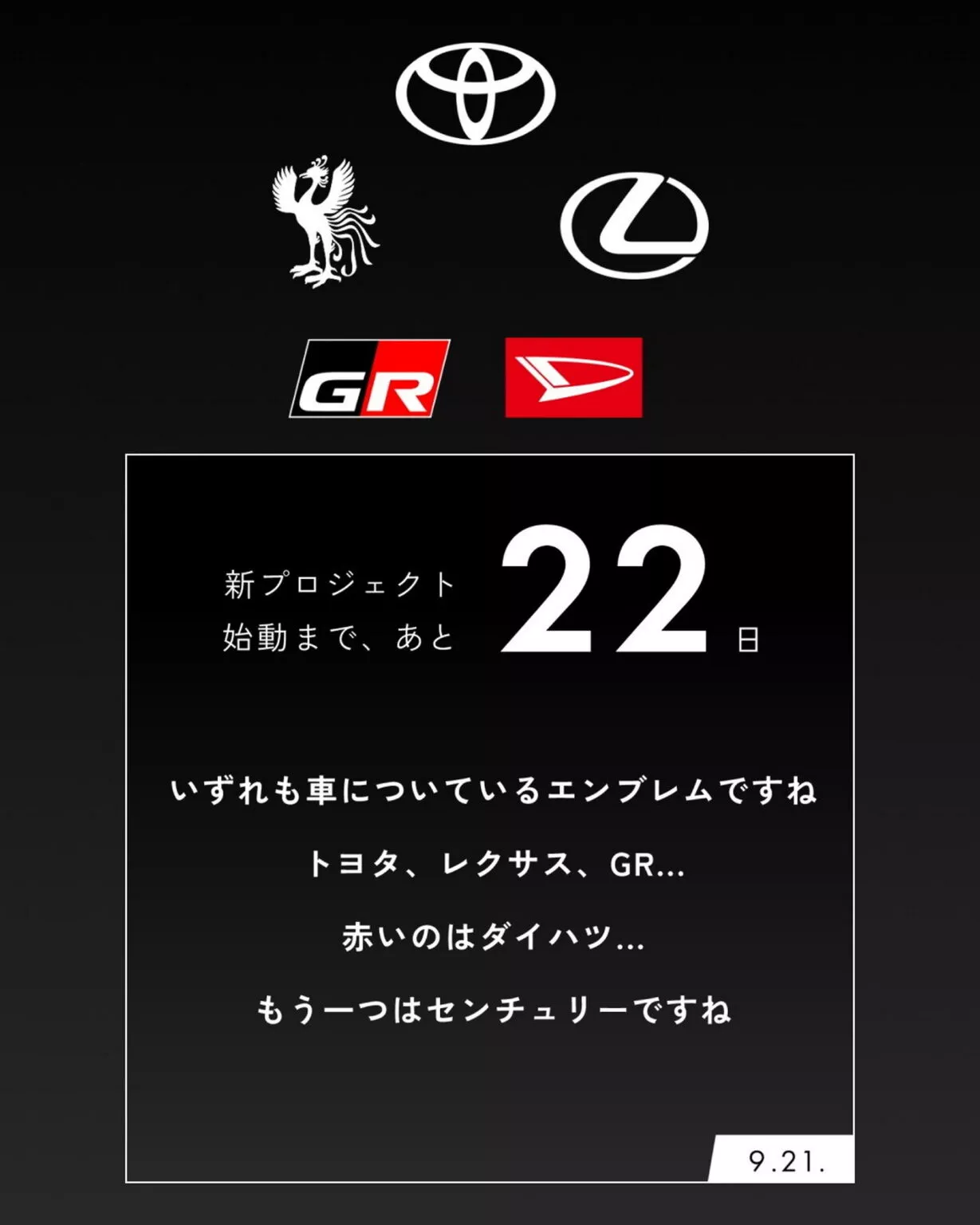
This comment, with a slightly “parental” tone, quickly attracted attention. Just 24 hours later, the official website updated the logo placement, moving the Century logo to the center (displayed at the top on mobile devices).
Subsequently, Akio Toyoda posted again to thank the team for their “timely correction” and jokingly remarked, “It seems the Toyota team is indeed following my Instagram.”
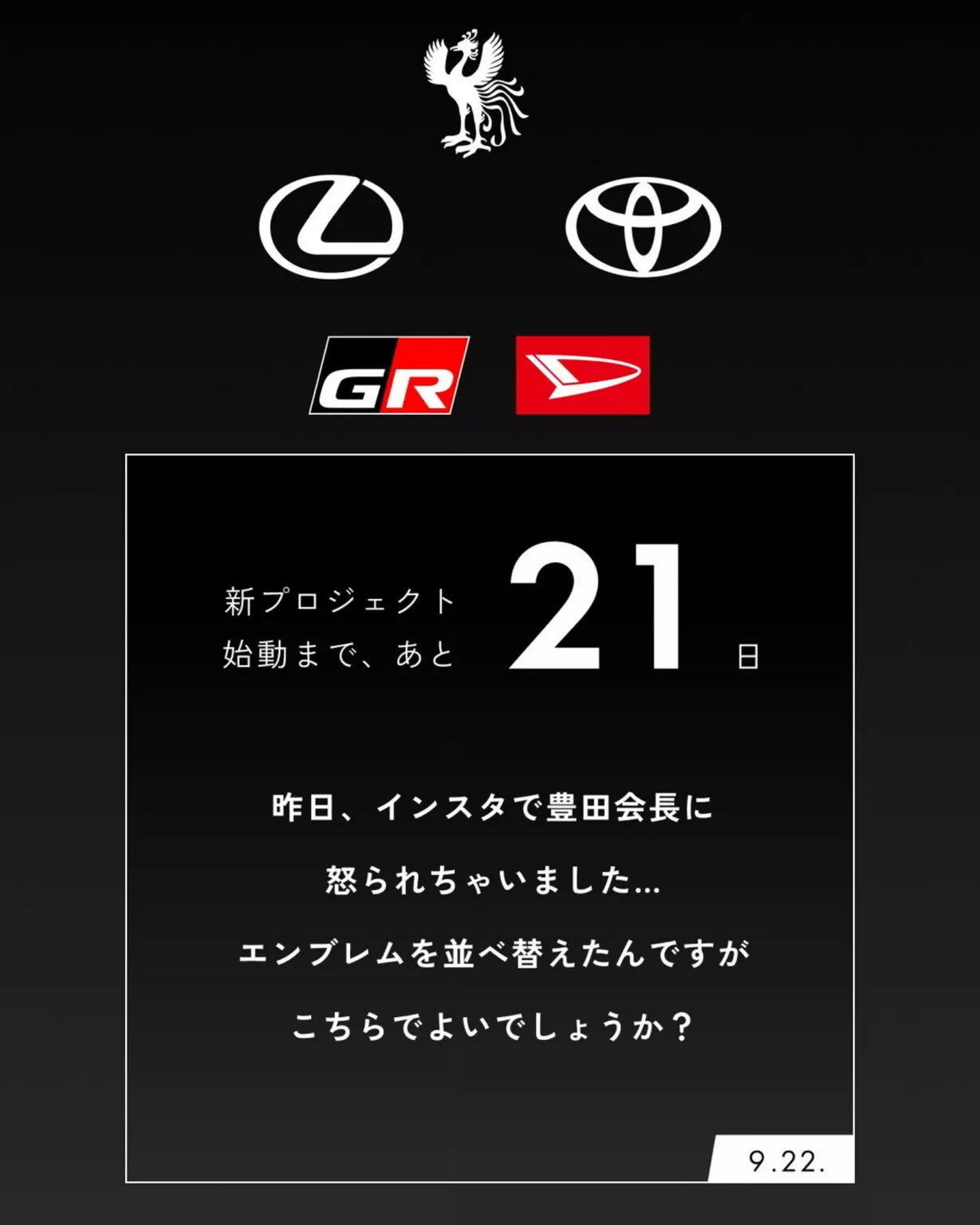
The episode involving Akio Toyoda’s intervention may seem coincidental but hints at deeper intentions
As Toyota’s sub-brand positioned as the “flagship of flagships,” Century has long been known as the “vehicle of the Japanese royal family.” Its market influence and its significance as a technological benchmark far surpass those of ordinary sub-brands.
Akio Toyoda’s insistence on correcting the Century logo’s position not only underscores the brand’s unique status within the Toyota Group but also suggests that the Century platform itself might be a central component of the upcoming “Mystery Project.”
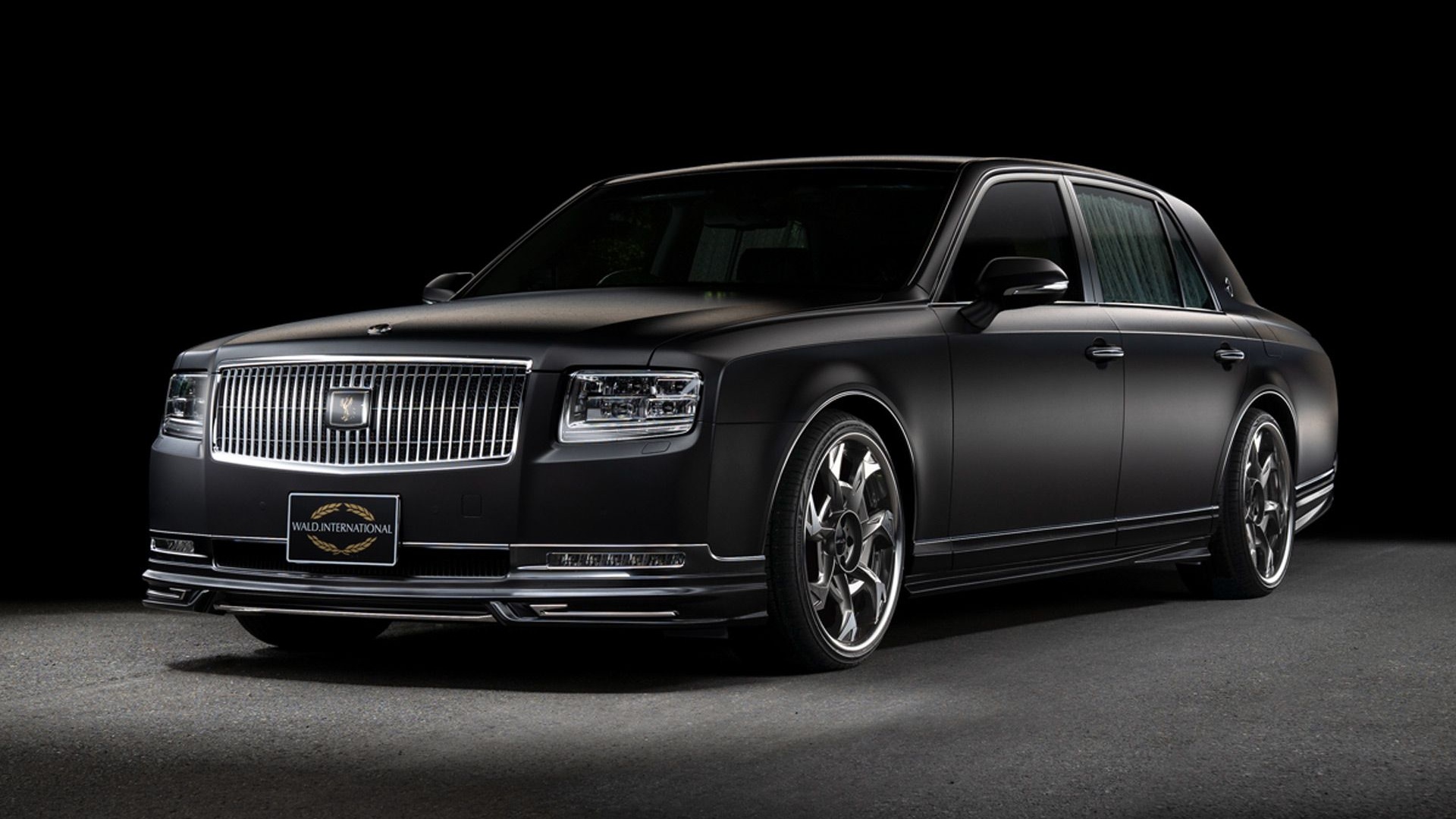
Although the nature of the project has not been officially clarified, based on the aforementioned clues, the industry has derived multiple speculations. The mainstream opinion is that “T-Connect” may be developed around three major directions:
First, the unification of cross-brand technical platforms. Although Toyota, Lexus, GR (Gazoo Racing), and Daihatsu belong to different market positions, they all develop models based on the TNGA (Toyota New Global Architecture) modular platform.
Akio Toyoda once emphasized the importance of “TNGA” on his personal social platform. This project may further integrate TNGA’s technical advantages, introducing a next-generation chassis or powertrain system suitable for multiple brands, particularly in the field of high-performance hybrids—where GR’s racing technology and Lexus’s luxury attributes both require a more robust foundational architecture.
Second, an experimental fusion of luxury and technology. The uniqueness of the Century brand makes it the best testing ground for “technology-empowered luxury.” If the project involves new models, it may introduce Century’s first sporty derivative (such as a coupe or SUV), integrating patented technologies like “biometric steering wheel” and “emotion-responsive cabin,” blending traditional luxury with intelligent elements.
Third, a concept preview aimed at the 2025 Japan Mobility Show. The release date of October 13th is close to the October 30th opening of the Japan Mobility Show. Toyota has previously used similar “countdown + official website hints” strategies to build anticipation for concept cars at exhibitions. This project is likely to be a key highlight at the show, covering multi-scenario technical solutions ranging from intelligent cabins to autonomous driving.
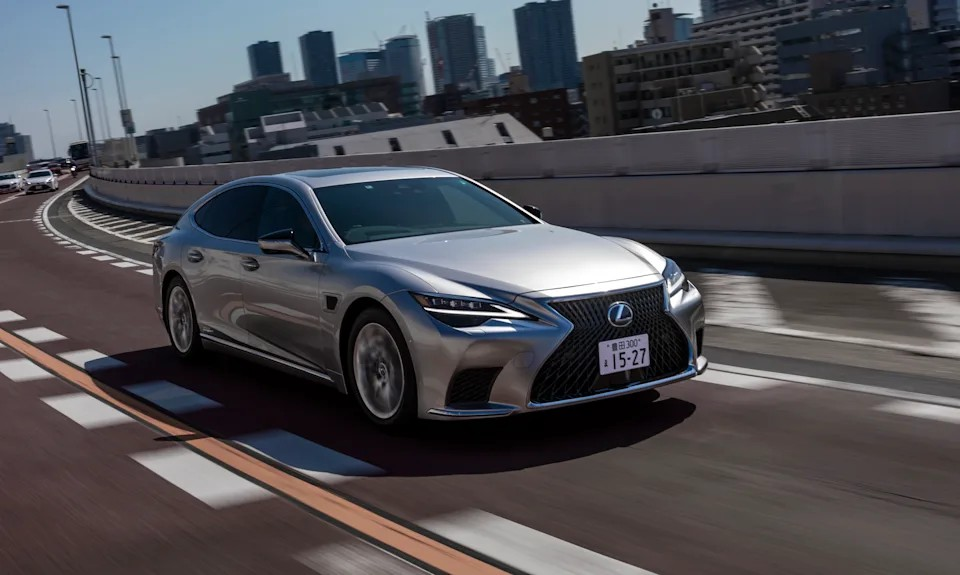
This is a story about “connection”
From a blurry teaser video to Akio Toyoda’s personal “correction” in interactive marketing; from patent layouts for car networking technology to coordinated actions in cross-brand supply chains, Toyota’s “Mystery Project” has evolved beyond a simple new product launch, becoming an experiment about “how future cars will connect with users, connect with technology, and connect with brands.”
Whether the final reveal is an intelligent interaction system, a cross-brand concept car, or a more profound technical strategy, this month-long “puzzle” has successfully stirred the anticipation of automotive enthusiasts worldwide.
If any infringement occurs, please contact us for deletion
Rumor: Toyota and Mazda collaborate to develop the next-generation MX-5 and GR86
AshleySep 30, 2025, 05:45 PM
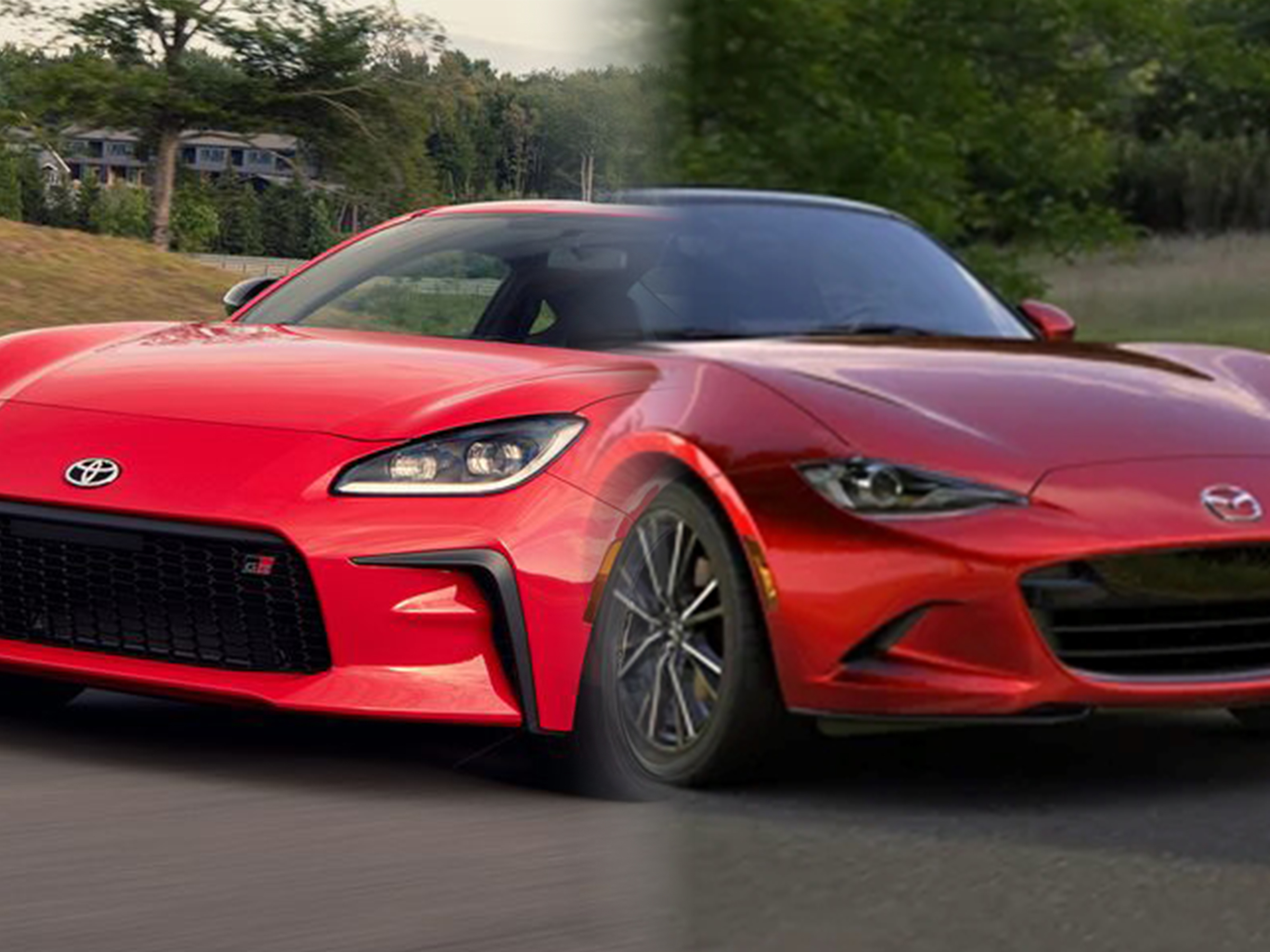 [PCauto] According to Japan’s veteran automotive magazine “Best Car,” Toyota and Mazda are exploring a joint development of the next-generation Mazda MX-5 or Toyota GR86.
Toyota and Mazda’s collaboration has a solid foundation
In 2015, Toyota and Mazda established a strategic partnership, which was further elevated to a capital alliance in 2017. This collaboration extends beyond mutual vehicle supply—such as Mazda providing the MX-2 to Toyota and Toyota supplying commercial vans to Mazda—to include deep cooperation in electric vehicles, software-defined vehicles, and advanced safety technologies.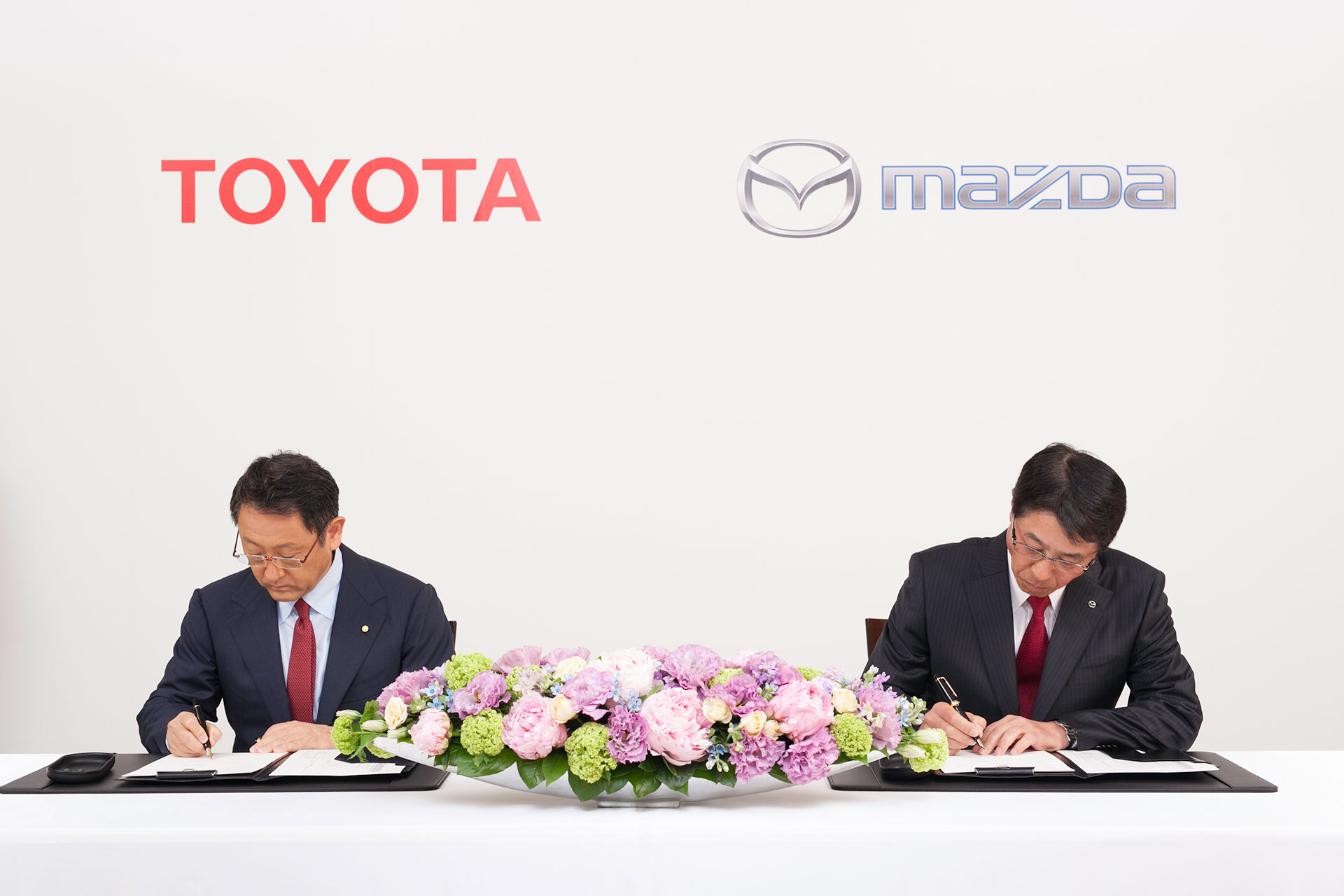
Why collaborate now?
The direct motivation for the collaboration lies in the current survival crisis of small sports cars. The limited target market and low sales volume make developing a unique platform for such vehicles prohibitively expensive for any automaker, as the costs cannot be effectively recouped.
Take the GR86 as an example. Its platform, shared with the Subaru BRZ, has served two generations. However, Subaru has scaled back its performance car investments due to stricter emissions laws and diminished market interest. Compounding these challenges, the failure of both models to meet the latest European safety regulations has led to the decision to withdraw them from the market.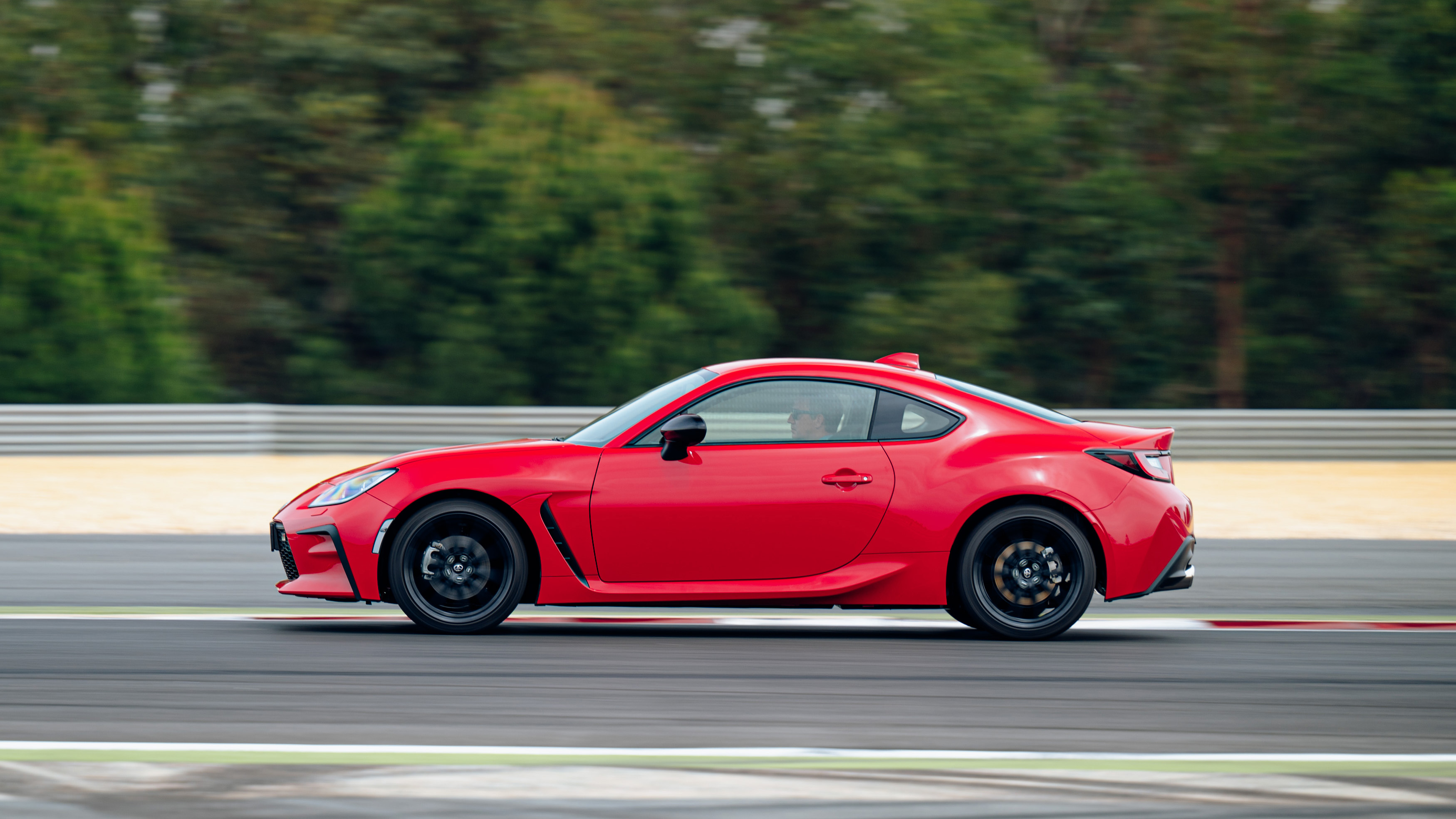
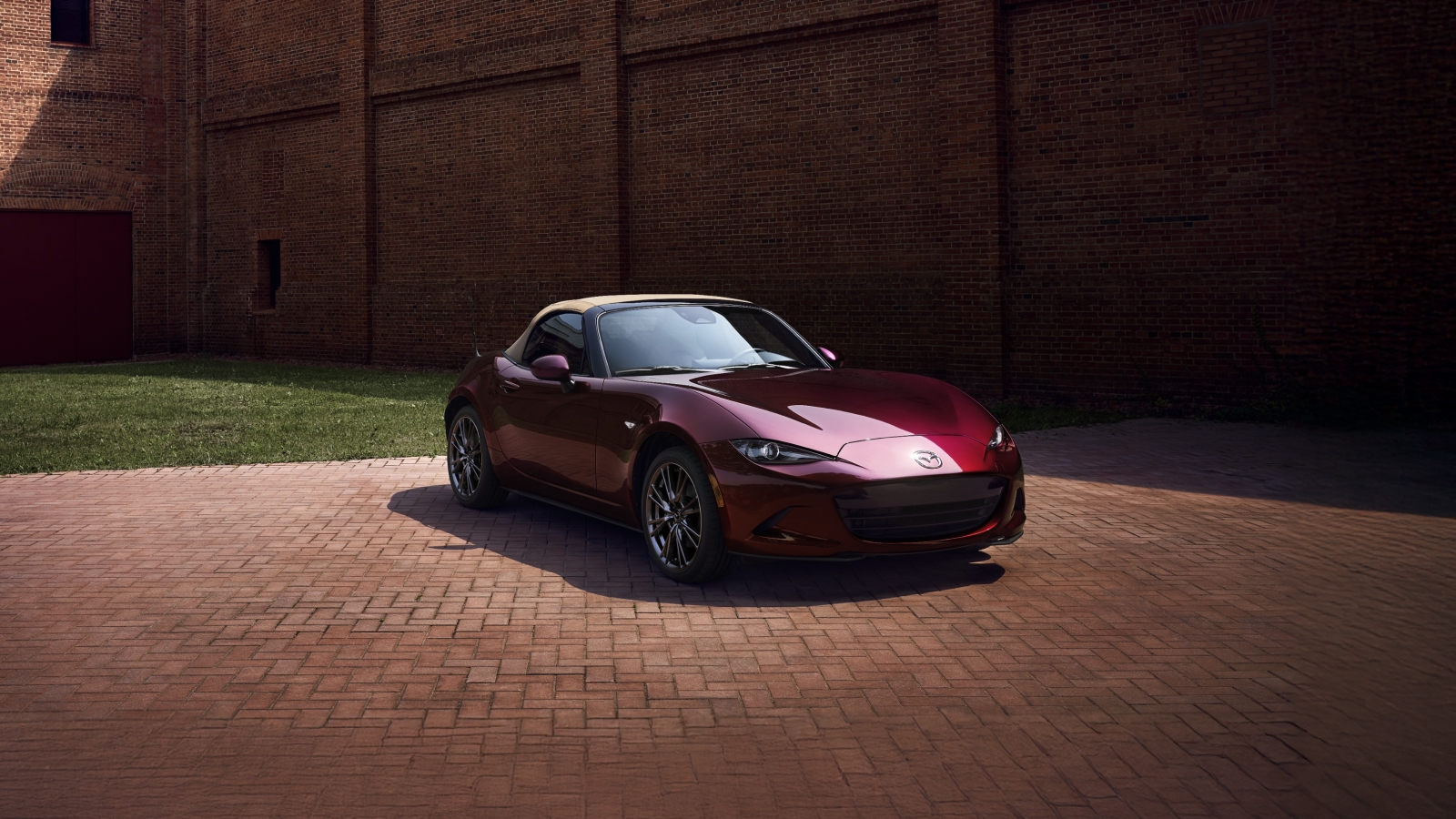
While the MX-5 maintains its title as the world’s best-selling roadster (with over 1 million units sold since its 1989 debut), the cost of developing a dedicated new platform for electrification remains prohibitively high.
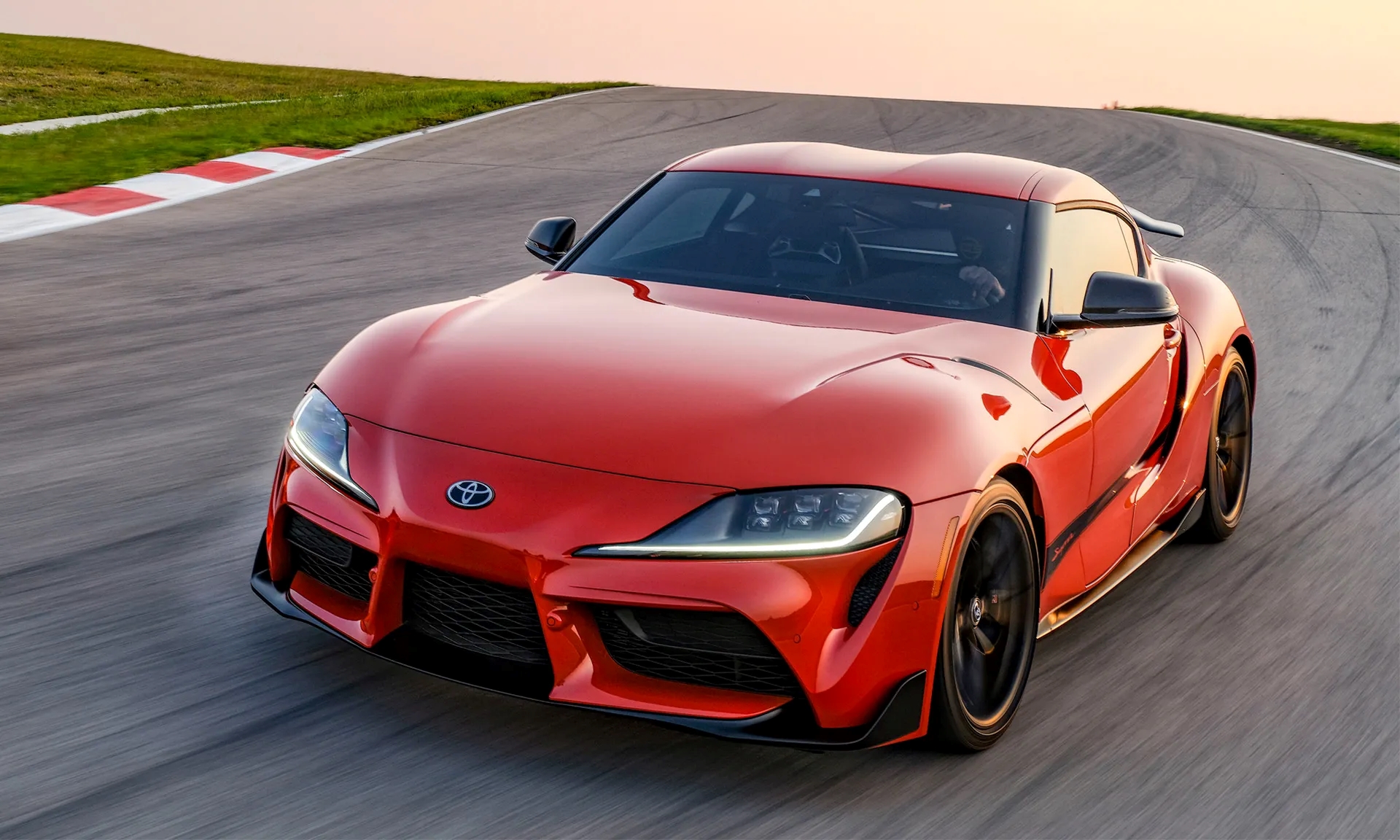
Successful cases in the past have already provided the answer: Toyota’s joint development with BMW for the Supra (based on the Z4 platform) and the collaboration with Subaru on the BRZ/GR86 are prime examples of how collaboration has ensured the continuity of legendary vehicles.
Mazda itself also has similar experience. In 2017, the MX-5 collaborated with Fiat to launch the 124 Spider. Despite sharing a platform, the two cars possess different powertrains and calibrations, showcasing the versatility of a unified architecture in spawning models with diverse driving personalities.
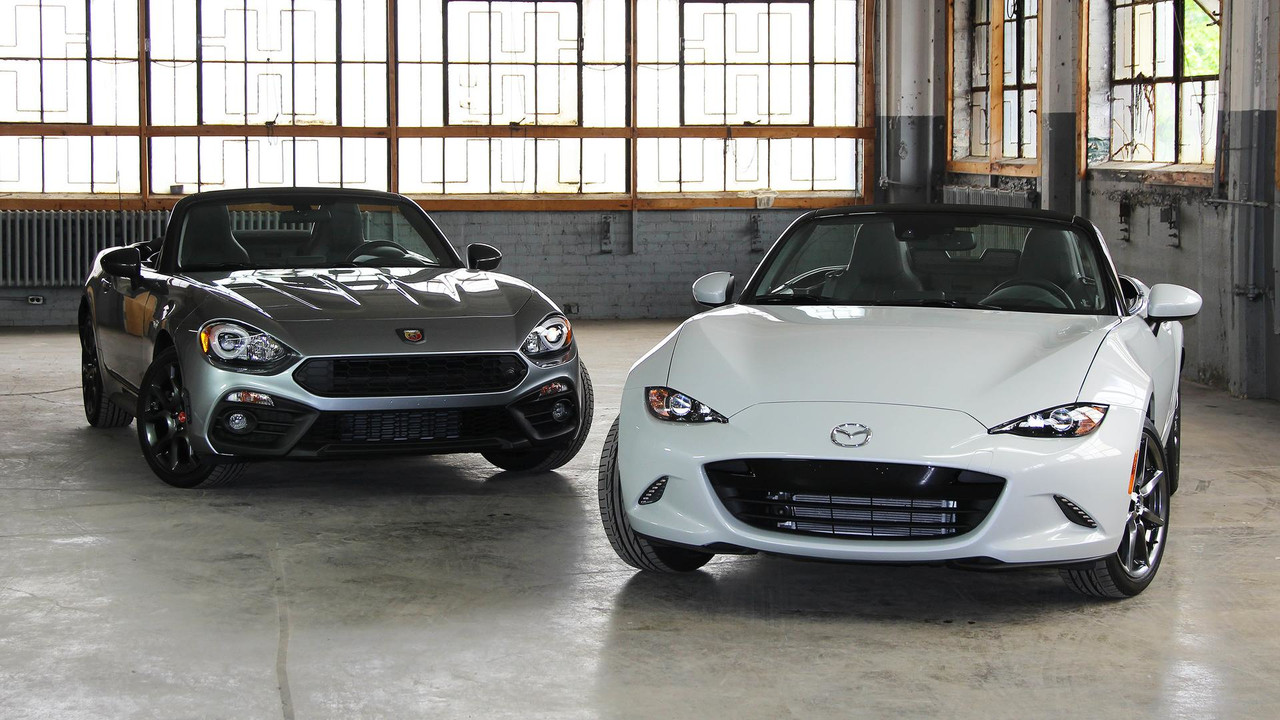
Division of Responsibilities in the Collaboration
According to “Best Car,” the collaboration has entered a substantial phase of advancement : senior engineers from Mazda have been stationed at Toyota’s headquarters in Toyota City, collaborating on the development of the next-generation model based on the current ND-generation MX-5.
Toyota has invested heavily to revise the lightweight platform of the MX-5, making it suitable for two distinct models.
Production will be handled at Mazda’s Hiroshima plant, while Toyota will provide financial support to upgrade the facility and expand its capacity. This arrangement underpins Toyota’s decision to have Mazda produce the GR86 under the partnership.
The powertrains of the MX-5 and GR86 may differ
The platform itself will be an evolved version of the ND-generation MX-5, benchmarked against the ultra-lightweight 990S model, which weighs just 990 kilograms. Its outstanding agility and handling are the core advantages Toyota values. Specifically:
• MX-5: Will retain its iconic two-seater layout, continuing its brand DNA of “lightweight and pure handling”;
• GR86: The platform will be slightly extended to accommodate a 2+2 seating configuration, increasing practicality while maintaining the essence of a rear-wheel-drive sports car.
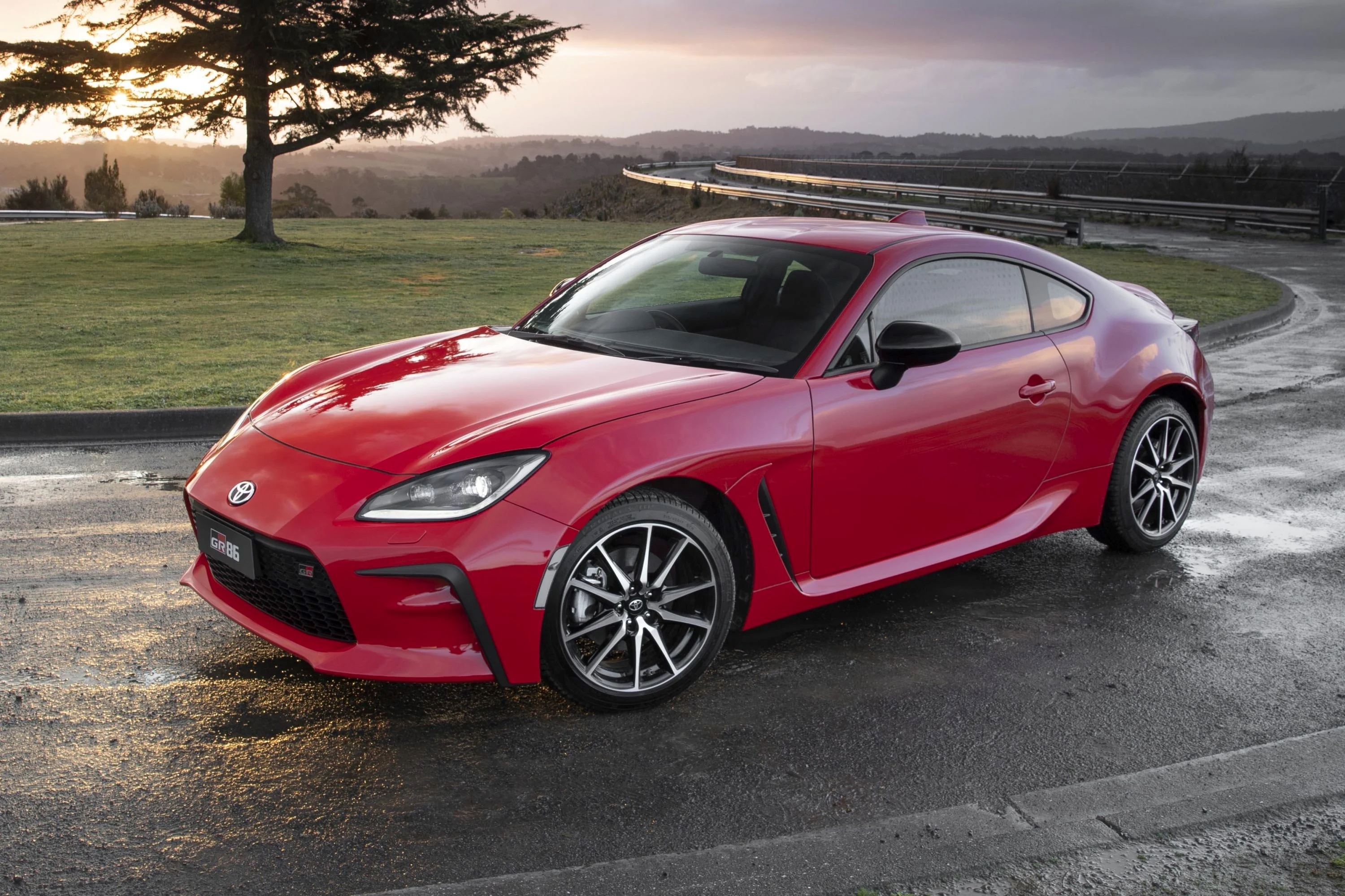
The difference in powertrains is key to maintaining the individuality of the two models.
Toyota plans to equip the GR86 with a naturally aspirated 2.0-liter four-cylinder engine, supplemented by a hybrid assist system, with an output exceeding 200 horsepower.
Mazda will make improvements based on the current 2.0-liter SkyActiv G engine and may also incorporate hybrid technology, aiming for an output close to Toyota’s version.
While there was earlier speculation about the next MX-5 transitioning to a 2.5L SkyActiv Z-derived engine for “right-sizing,” the focus has now shifted under the current partnership. The priority is now on adapting the ND platform to maintain cohesive driving dynamics across both vehicles.
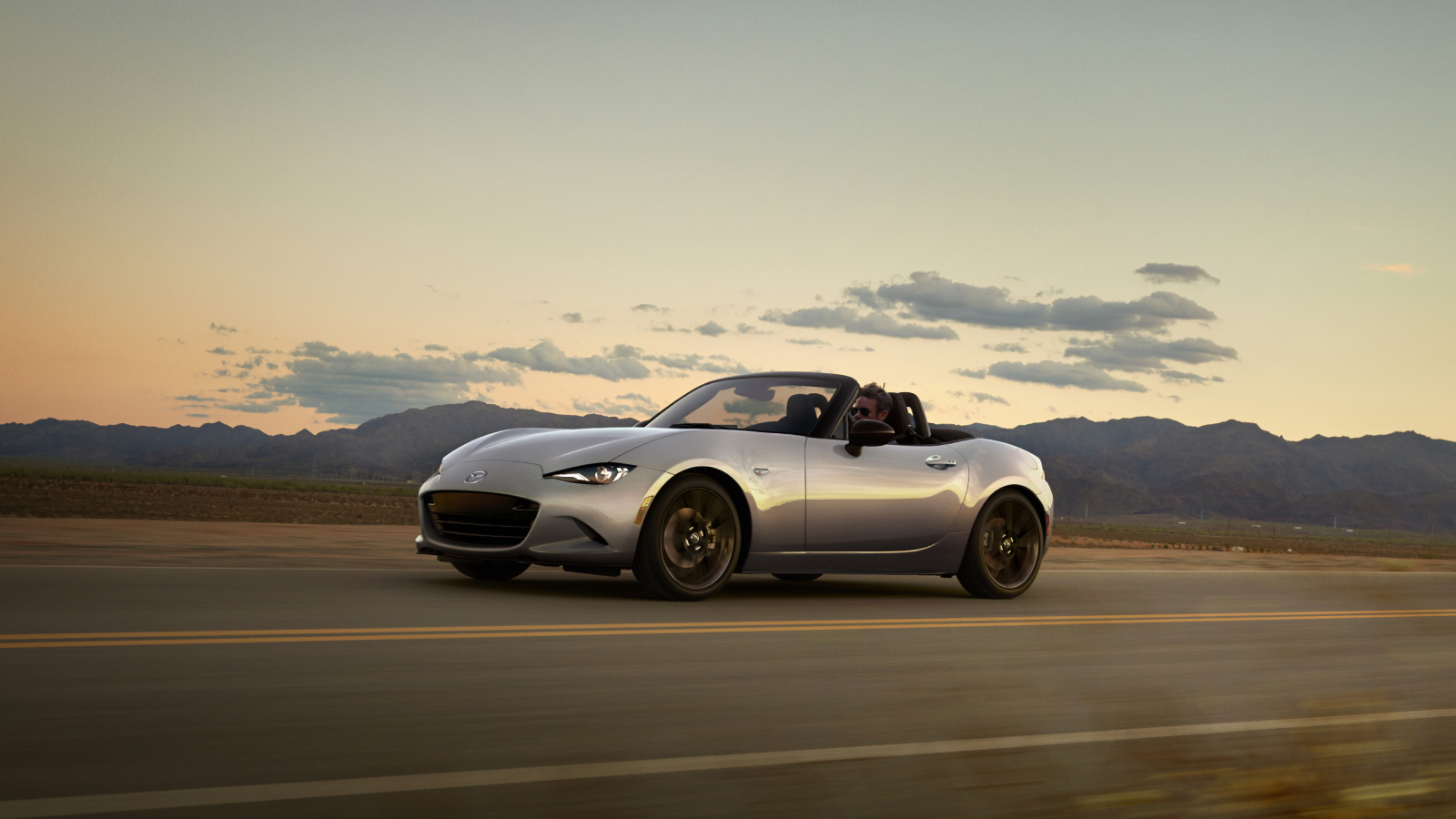
This collaboration means that Toyota’s existing partnership with Subaru may come to an end.
For fans of the MX-5 and GR86, the new-generation models possibly arriving in 2028 ,represent their last expectations for affordable sports cars.
In an era dominated by electrification and vehicle upsizing, this pure driving pleasure becomes even more precious. And that is precisely why these two Japanese manufacturers have joined forces.
If any infringement occurs, please contact us for deletion
Top 5 Signs You Need a Luxury Car AC Repair

Introduction
Imagine driving your luxury car on a hot day, expecting cool air, but instead, you get warm or weak airflow. Not ideal, right? Luxury cars have high-end AC systems for extra comfort, but they still need care and repairs.
A broken AC can make your ride unpleasant and may signal bigger problems that could lead to expensive repairs. In this article, we’ll explain five warning signs that your luxury car’s AC needs fixing. Whether you own a luxury vehicle or just love a smooth ride, this guide will help you know when it’s time for a check-up.
Understanding Luxury Car AC Systems
Luxury car AC systems are more advanced than regular ones. They have features like dual-zone climate control, top-quality filters, and high-tech compressors to keep the temperature just right.
These systems work well, but they also need special care. Ignoring small problems can lead to costly repairs later, so it’s important to notice any unusual signs.
Read Also– 10 Mistakes to Avoid as a Luxury Car Owner
Top 5 Signs Your Luxury Car Needs an AC Repair
1. Weak or Warm Airflow
If your AC isn’t cooling properly, it could be due to:
- A refrigerant leak
- A broken compressor
- A clogged air filter
- Electrical or thermostat issues
Solution: Get it checked by a professional before it gets worse.
2. Strange Noises When AC is On
Luxury car ACs should be quiet. If you hear:
- Hissing sounds – there might be a refrigerant leak.
- Squealing or screeching – the belt or compressor could be worn out.
- Banging or rattling – parts might be loose or there could be debris inside.
Solution: If your AC is making strange noises, have a technician check it.
3. Bad Smells from the Vents
A fresh-smelling car is essential. If your AC smells musty or burnt, it could mean:
- Mold or mildew is growing inside
- The air filter is clogged
- Electrical parts are overheating
Solution: Change air filters regularly and get the system cleaned.
4. Refrigerant Leaks
Your AC needs refrigerant to cool the air. Signs of a leak include:
- Oily spots near the compressor or AC lines
- A sudden drop in cooling
Solution: Refrigerant leaks can damage the system, so get it fixed quickly.
5. Cabin Temperature Changes Often
If your AC cools unevenly or stops working at times, the cause might be:
- A broken temperature sensor
- Blocked valves
- Low refrigerant levels
Solution: A professional can check and fix temperature problems.
Why Regular AC Maintenance is Important
Regular maintenance helps:
- Keep cooling consistent
- Extend the AC’s lifespan
- Improve air quality by removing dust and allergens
- Reduce engine strain, which saves fuel
- Maintain your car’s resale value
How to Take Care of Your Luxury Car’s AC
To keep your AC working well:
- Use it regularly – Even in winter, turn it on now and then.
- Replace air filters – Change them every 10,000–15,000 miles.
- Check refrigerant levels – Low refrigerant affects cooling.
- Look for leaks – Moisture near the dashboard could be a sign.
- Get professional servicing – Regular check-ups can prevent big issues.
Mistakes to Avoid
❌ Ignoring Small Problems
Minor AC issues can turn into expensive repairs if not fixed.
❌ Using the Wrong Refrigerant
Luxury cars need specific refrigerants—using the wrong type can cause damage.
❌ DIY Repairs Without Experience
Luxury car ACs are complex and should be handled by professionals.
❌ Skipping Maintenance
Regular servicing keeps your AC running smoothly and prevents breakdowns.
FAQs About Luxury Car AC Repair
Q1: How often should I service my car’s AC?
A: At least once a year or as recommended by your car’s manufacturer.
Q2: Can I drive if my AC isn’t cooling?
A: Yes, but leaving it unfixed could lead to bigger problems and higher repair costs.
Q3: Why does my AC smell bad?
A: Mold, dirty filters, or electrical issues could be the cause.
Q4: How can I prevent AC problems?
A: Regular maintenance, filter replacements, and timely servicing.
Conclusion
Your luxury car’s AC isn’t just about comfort—it’s essential for a great driving experience. Ignoring warning signs can lead to costly repairs and discomfort. Regular premium car AC maintenance keeps your AC in perfect condition.
If you’ve noticed any of these signs, it’s time to visit a trusted technician for a luxury car AC repair services in Pune.