



Toyota Corolla facelift model unveiled, the new front design looks like Camry
[PCauto] According to the latest regulatory documents released by the Ministry of Industry and Information Technology (MIIT) of China, the 2025 Toyota Corolla has been exposed in this document.
The new Corolla has undergone significant upgrades in terms of exterior design, body size, and powertrain. This document release also indicates that the new Corolla is about to be launched in the Chinese market.
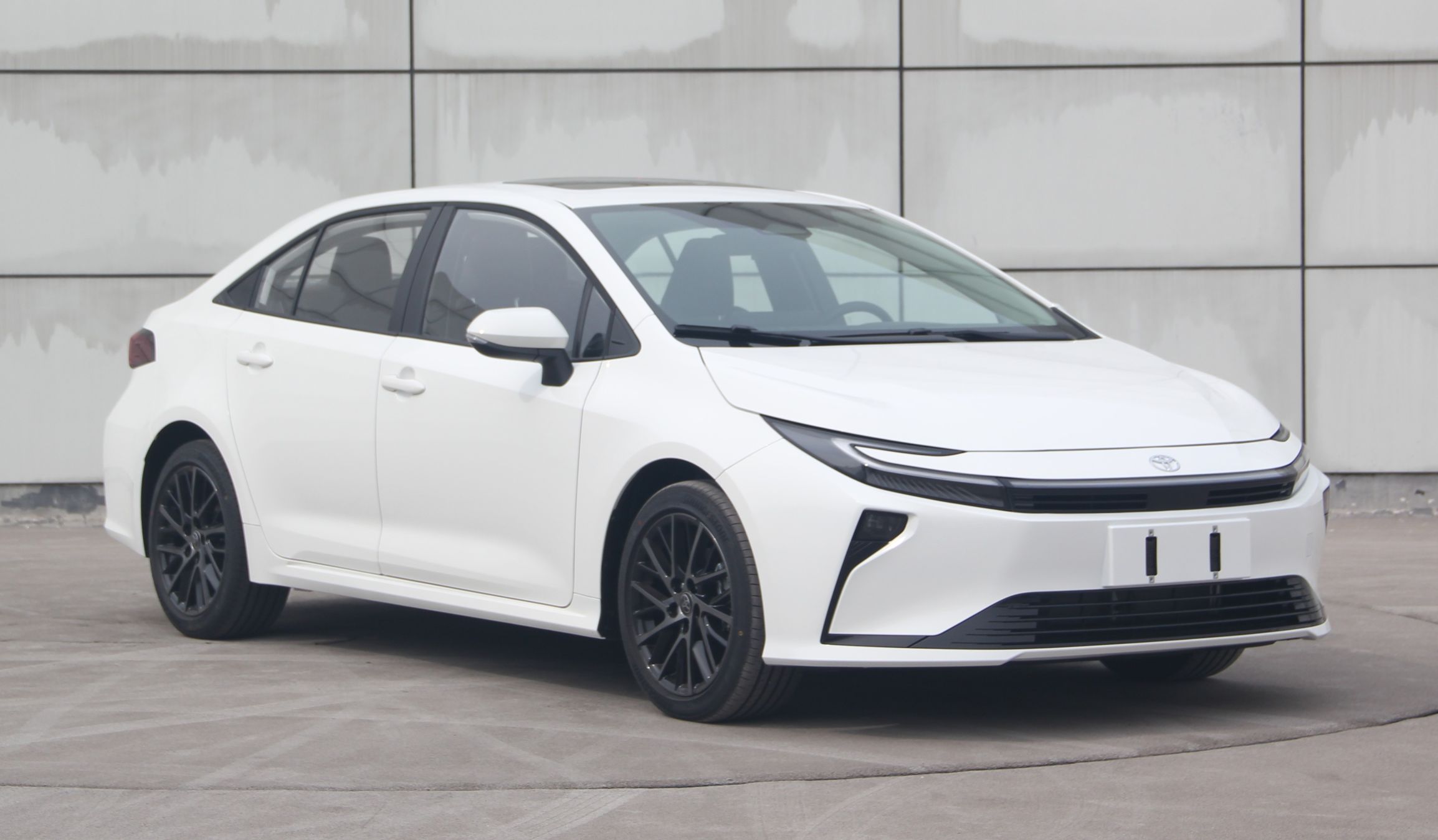
What are the changes in the appearance of the new Corolla?
In terms of exterior design, the new Corolla adopts Toyota’s latest family design language, featuring C-shaped headlights on the front, which are connected by a through-type light strip, effectively enhancing the visual width of the front end.
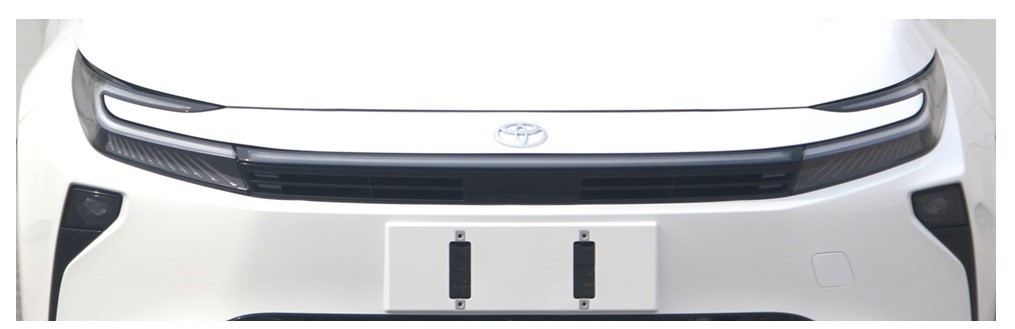
The lower air intake grille has been adjusted to a horizontal layout, enhancing the overall three-dimensional and layered feel, making it more dynamic and modern compared to the current model.
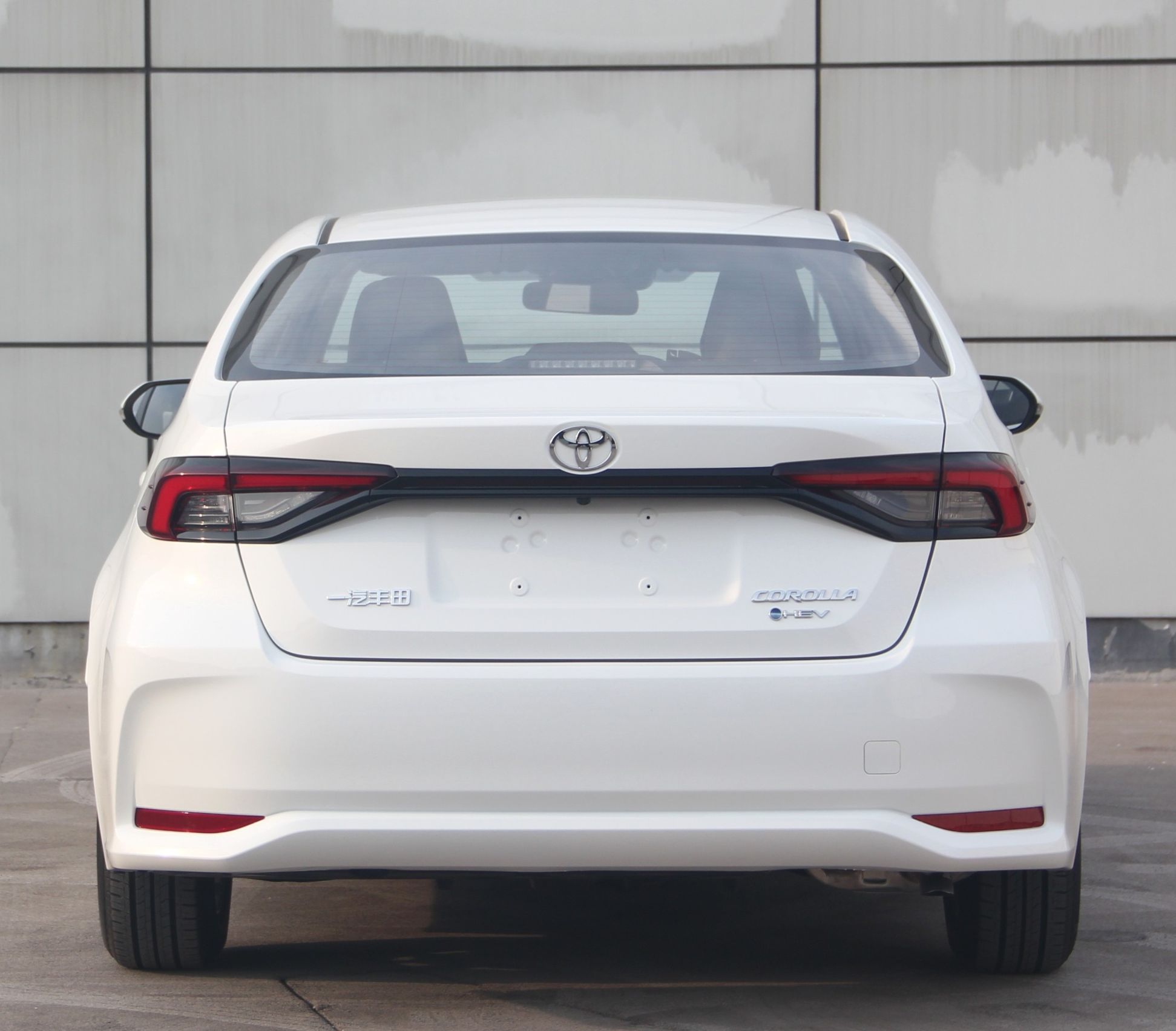
At the rear, the through-type taillights have been retained and treated with a smoked black finish, which not only enhances the sporty vibe but also echoes the front-end design, making the overall exterior more cohesive and stylish.
In terms of body size, the dimensions of the 2025 Corolla are:
Length: 4710mm
Width: 1780mm
Height: 1435mm
Wheelbase: 2750mm
The new Corolla is 50mm longer than the current model. This size upgrade directly enhances the interior space comfort, providing more generous legroom and storage capacity, making it more competitive in the compact sedan segment.
The increased wheelbase also contributes to improved driving stability and seating comfort, meeting the practicality and comfort demands of family users.
In comparison, competitors such as the Nissan Sylphy and Volkswagen Lavida each have their advantages in size, but this upgrade of the new Corolla is expected to attract more buyers who value space.
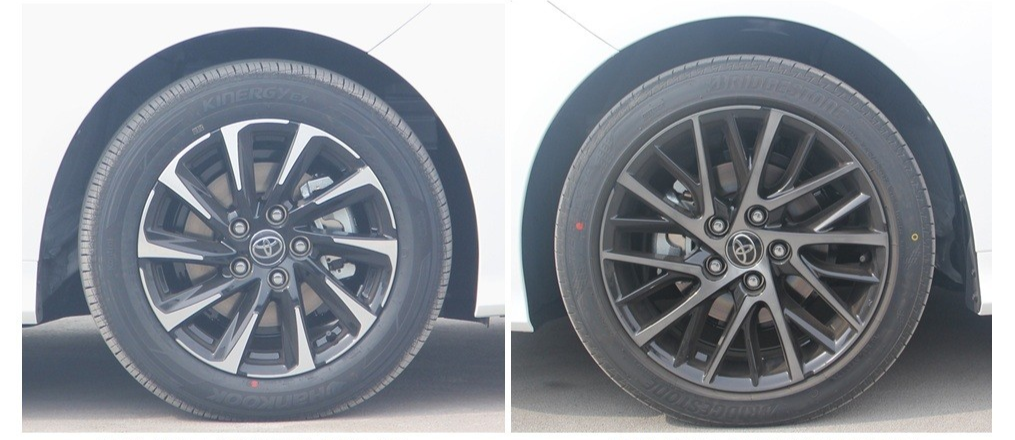
The New Corolla Adds a 2.0L Gasoline Engine Version in the Chinese Market
The gasoline version of the Corolla introduces a new 2.0L naturally aspirated four-cylinder engine, with a maximum power output of 126kW and a peak torque of 148N·m, paired with a CVT transmission, offering a smooth driving experience and reliable performance.
The hybrid version features a 1.8L Atkinson cycle engine combined with an electric motor, with the engine’s maximum power output at 72kW. It is equipped with a nickel-cobalt-manganese lithium battery pack and paired with an E-CVT transmission.
In WLTC test cycles, the combined fuel consumption is as low as 4.06L/100km, which is significantly superior to many models in the same class.
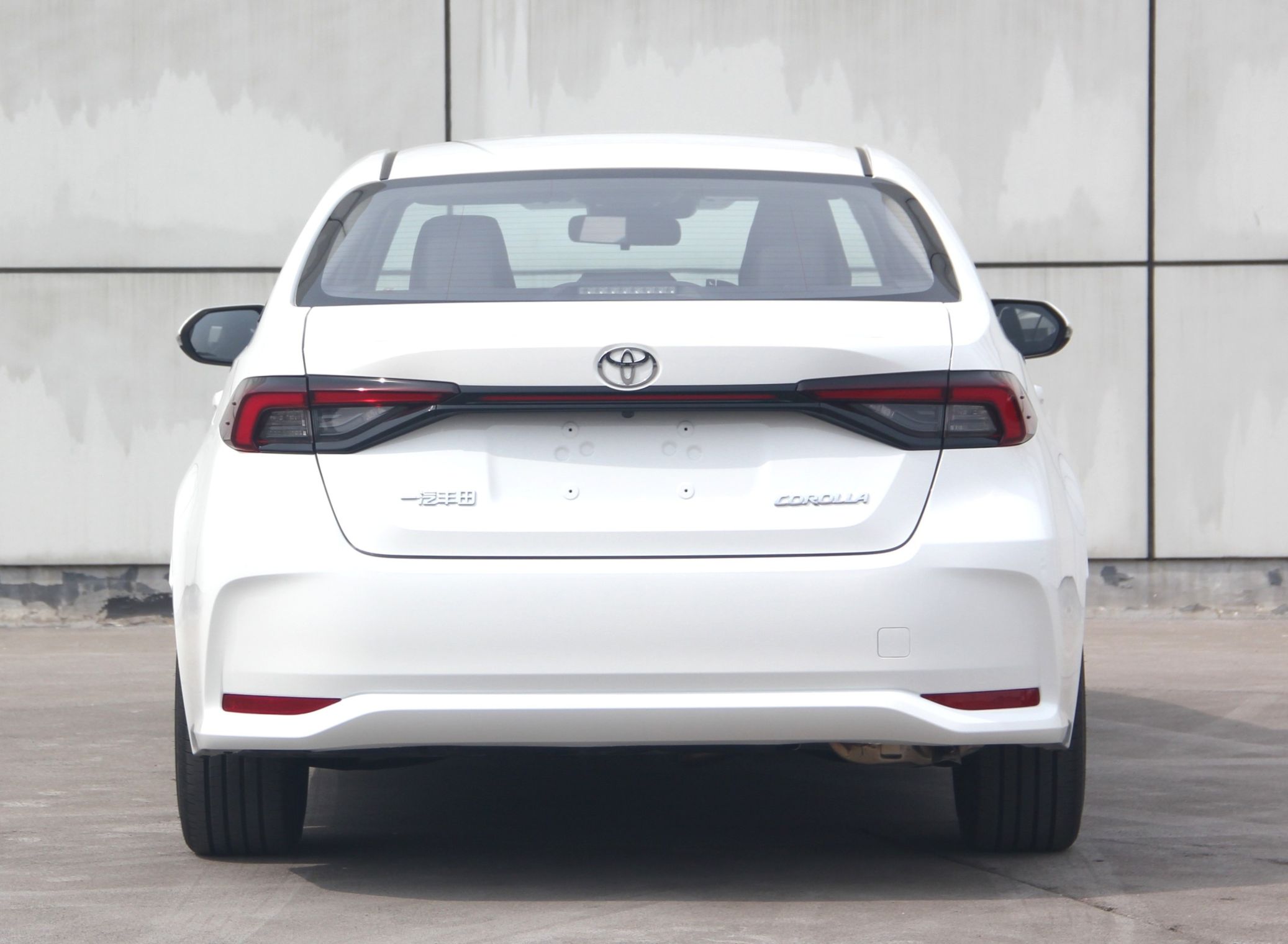
Chinese Consumers Show Appreciation for the New Corolla
In terms of market positioning, the 2025 New Corolla is targeting the compact sedan segment, with main competitors including the Nissan Sylphy and Volkswagen Lavida.
Most consumers in the Chinese market have expressed approval of the New Corolla’s exterior design and powertrain upgrades.
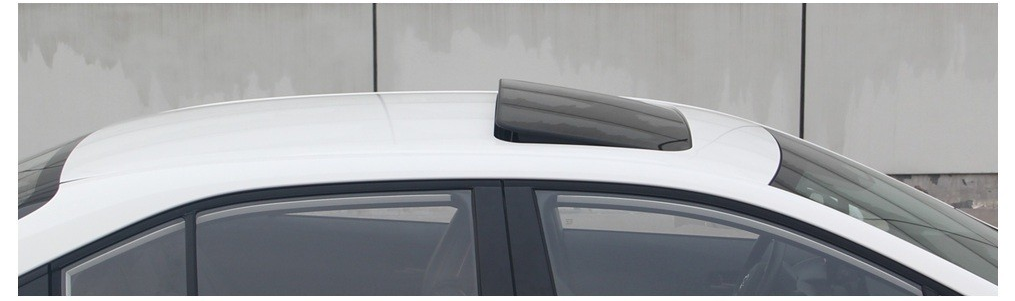
They believe that the large front grille, sharp LED headlight set, rear through-style taillights, and fastback design make the overall style more youthful. This design breaks away from the conservative image of the old Corolla and has even been described as “a smaller version of the Camry.”
As such, the New Corolla is expected to further solidify its market position, especially in terms of fuel efficiency and practical space.
Proton X90: The Strong Choice for the Malaysian Market
WilliamSep 11, 2025, 10:59 AM
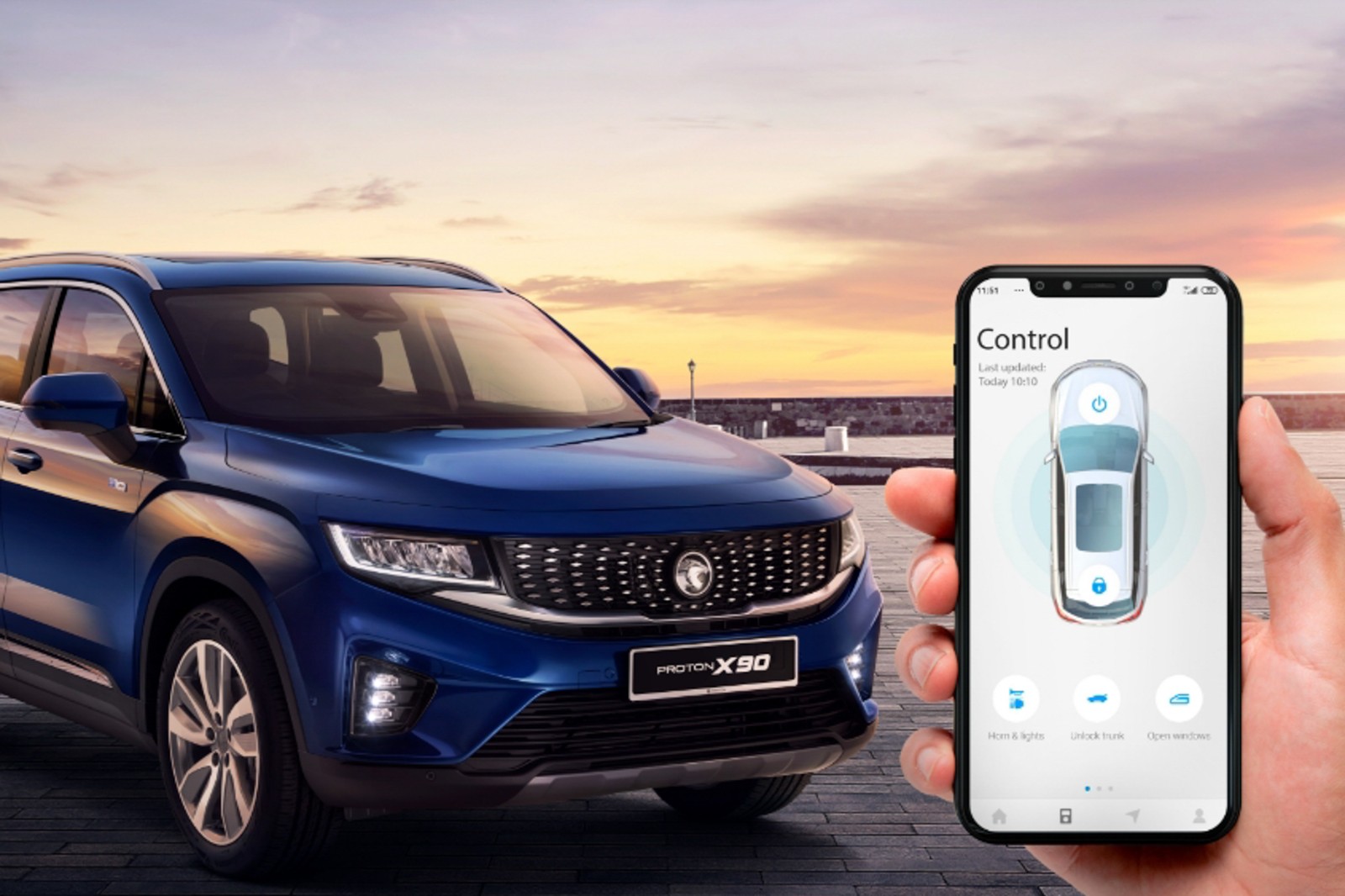
In the Malaysian automotive market, the Proton X90, since its launch in 2023, has quickly attracted the attention of numerous consumers with its unique advantages. As an important model under the Proton brand, it not only represents the brand’s advancements in technology and design but also meets the diverse needs of local consumers for practicality, performance, and safety.
Model Positioning and Price Range
The Proton X90 is positioned as a D-segment luxury SUV, primarily targeting mid-to-high-end family users. Its price range is from 123,800 MYR to 152,800 MYR, with specific prices fluctuating based on model configurations and promotional activities. Compared to imported models in the same class, this pricing strategy offers a certain cost advantage. Additionally, leveraging Proton’s local after-sales service network in Malaysia, subsequent maintenance costs are relatively low. Within this price range, consumers can enjoy a spacious, well-equipped SUV with advanced technology, making it highly attractive to Malaysian consumers who prioritize value for money.
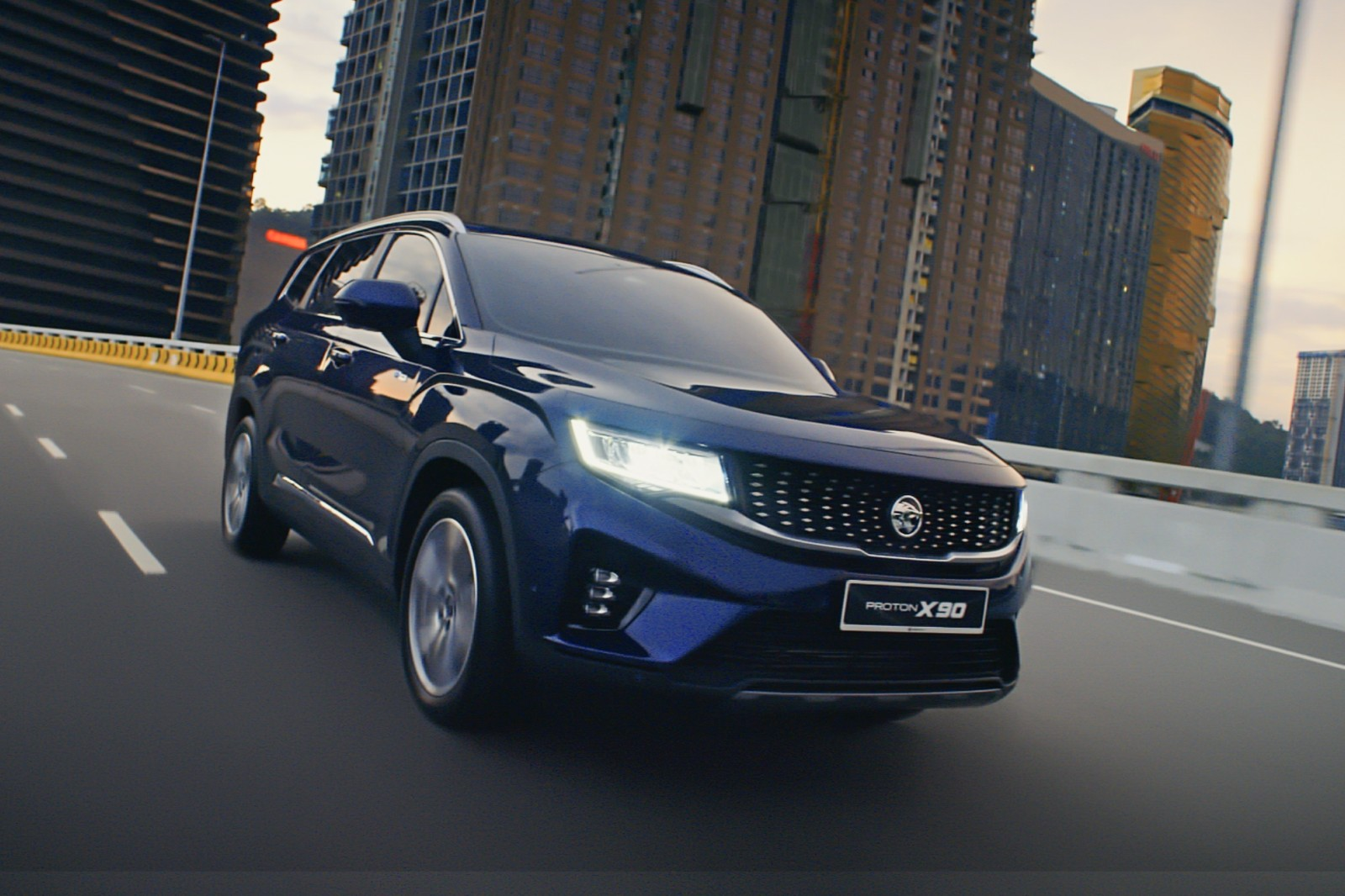
Exterior and Dimensions Design
From the exterior, the Proton X90 features sleek and robust body lines, showcasing the aura of a luxury SUV. The spacious body offers ample interior space, making it particularly suitable for the needs of large Malaysian families. Even the third-row seats provide a relatively practical seating experience for passengers. Additionally, the width of the X90 ensures vehicle stability during high-speed driving, and it handles tropical regions with frequent rain more confidently. It is worth mentioning that, despite its large body size, the 200 mm ground clearance allows it to navigate common rural or lightly unpaved roads in Malaysia effectively. At the same time, the 5.7-meter turning radius ensures it maintains good maneuverability in parking lots or narrow roads, fully considering the urban environment in Malaysia.
Powertrain and Performance
The Proton X90 is equipped across the range with a mild hybrid electric vehicle (MHEV) system, combining a 1.5-liter turbocharged three-cylinder gasoline engine and a 48V belt-driven starter generator. This system delivers a combined output of around 190 horsepower and a peak torque of approximately 300 Nm, paired with a 7-speed dual-clutch transmission (DCT). According to Proton’s official claims, this mild hybrid system improves fuel efficiency by up to 15% compared to models without the 48V system. The X90 achieves a fuel consumption of just 6.8 liters per 100 kilometers. In real-world driving, this powertrain configuration meets the needs of daily commuting and long-distance travel. The power delivery is smooth and responsive, demonstrating excellent fuel efficiency, which aligns with Malaysian consumers’ dual expectations for vehicle performance and energy savings.
Interior Space and Seating Layout
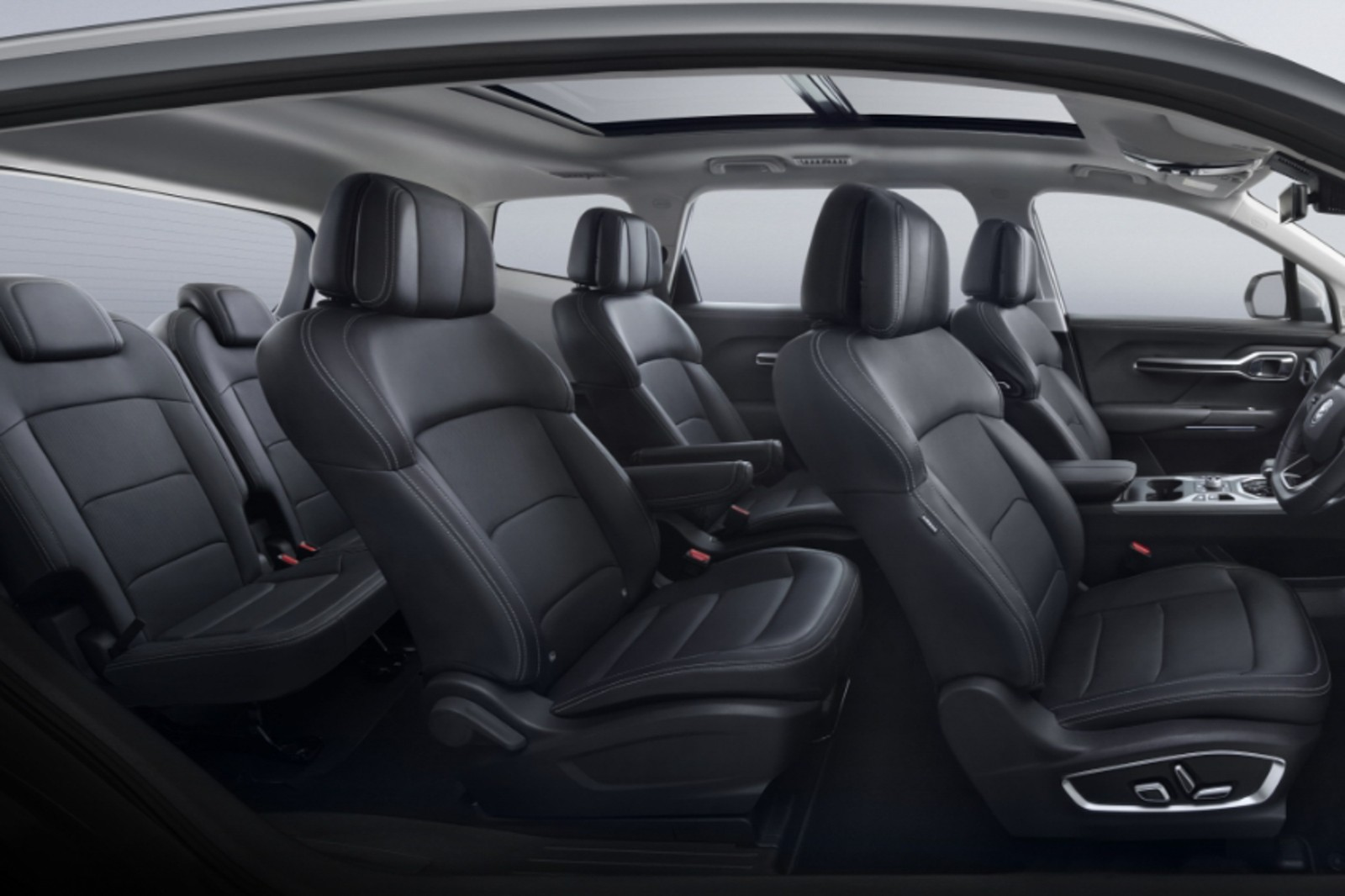
The interior space is thoughtfully designed, with all variants except the flagship model featuring a 7-seater layout, while the flagship is equipped with a 6-seater configuration. The second row consists of a pair of independent captain’s seats instead of traditional bench seating. This design not only enhances seating comfort but also adds a sense of luxury to the interior. However, this seat arrangement is not available in the Chinese Geely Haoyue/Okavango (the X90’s original model). The spacious interior allows passengers to stretch comfortably, and both headroom and legroom are abundant, ensuring minimal fatigue even during long-distance travel.
Interior Design and Technology Features
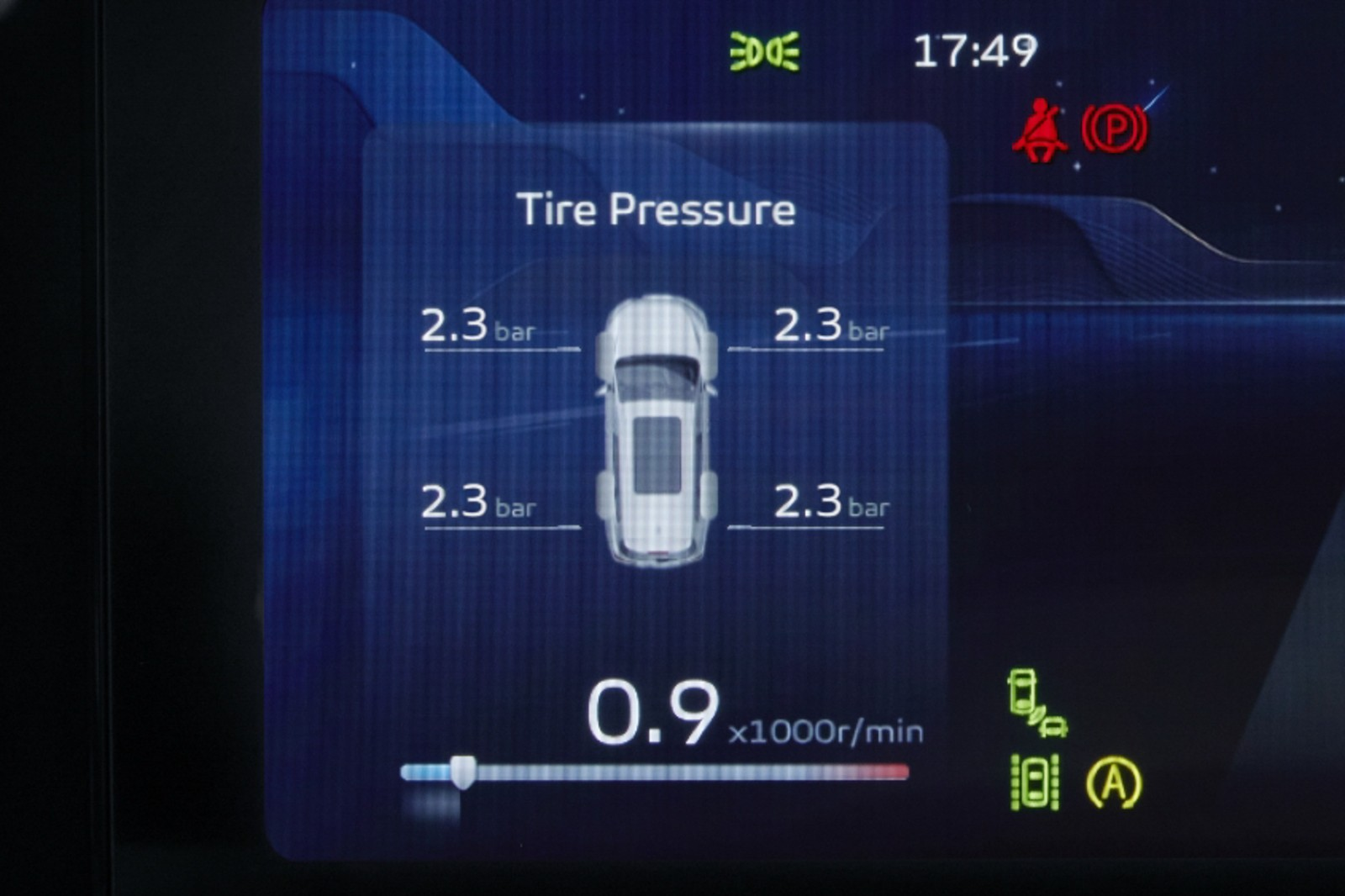
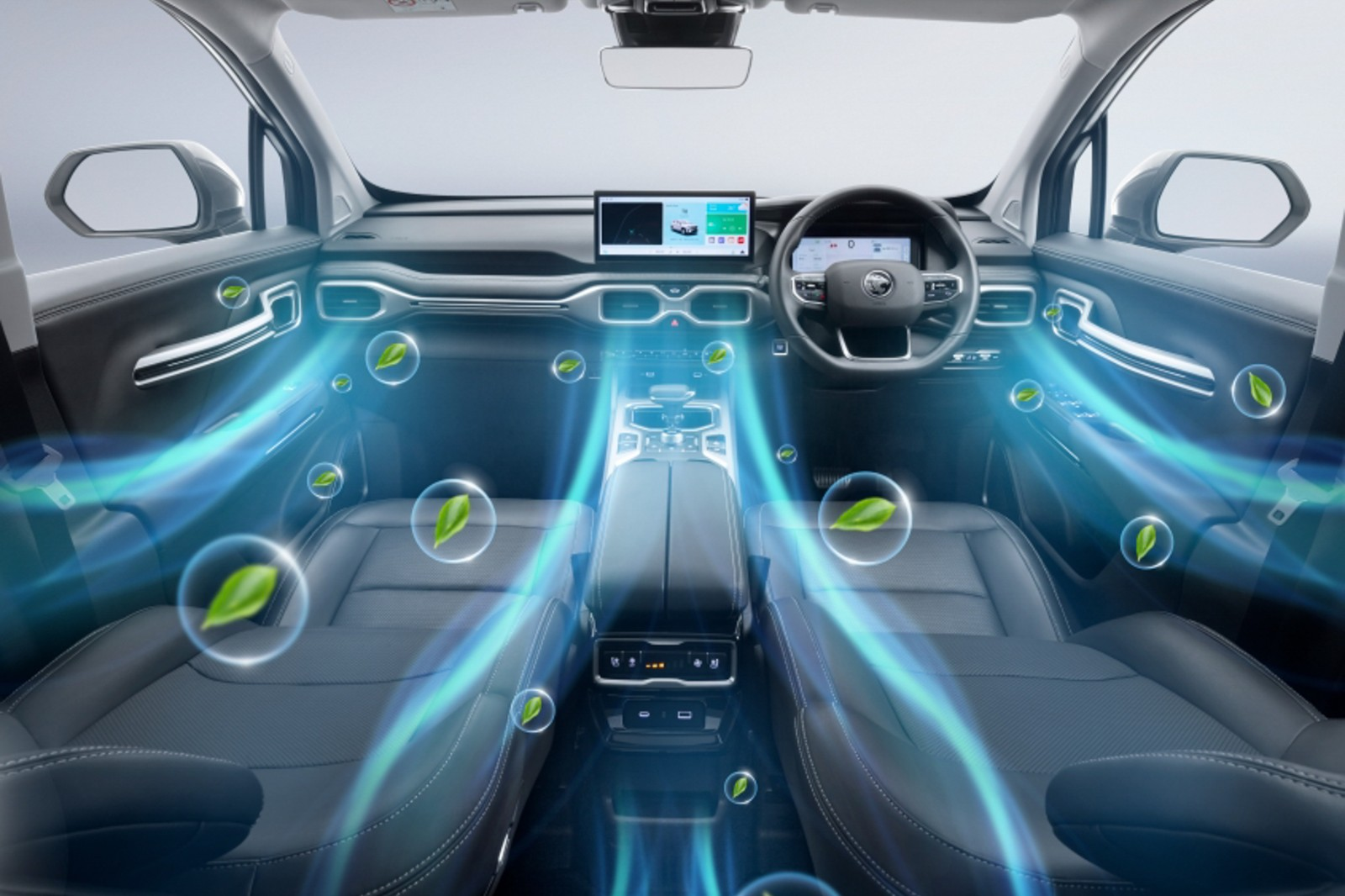
In terms of interior, the X90 showcases a blend of luxury and technological sophistication. The dashboard is equipped with a 10-inch LCD instrument panel and a 12.3-inch large touchscreen infotainment display. The screens offer clear visuals and smooth operation, providing drivers with abundant vehicle information and convenient entertainment features. It is worth noting that although this large screen is highly functional, it unfortunately does not support Apple CarPlay or Android Auto. The vehicle is also equipped with a remote engine start function, allowing drivers to start the engine and turn on the air conditioning via the key fob or the Proton Link app to pre-adjust the interior temperature in preparation for Malaysia’s hot weather. Starting from the Executive variant, the car also features a tire pressure monitoring system, enabling drivers to check tire pressure at any time to ensure driving safety.
Body Color Options
When it comes to body colors, the Proton X90 offers consumers a wide range of choices. There are six unique paint colors available as follows: the pure and elegant Snow White, which reflects solar heat and is ideal for Malaysia’s hot climate while making the vehicle appear larger; the Armour Silver with a sense of technology and modernity, which is classic, easy to maintain, and resistant to dirt in daily use; the steady and understated Jet Grey, which not only highlights the luxurious feel of the X90 as a high-end SUV but also proves to be very practical; the Cinnamon Brown with a unique champagne tone that exhibits rich golden layers under sunlight, giving the vehicle a sophisticated look; the vibrant and attention-grabbing Ruby Red, which brings dynamic energy to the X90 and aligns well with local consumers’ aesthetic preferences; and the fresh and elegant Marine Blue, which displays rich textures under varying light and shadow, offering highly attractive visual appeal. These meticulously formulated metallic and pearl paints not only deliver outstanding visual effects but also incorporate advanced coating technology to effectively resist corrosion from Malaysia’s hot and rainy climate.
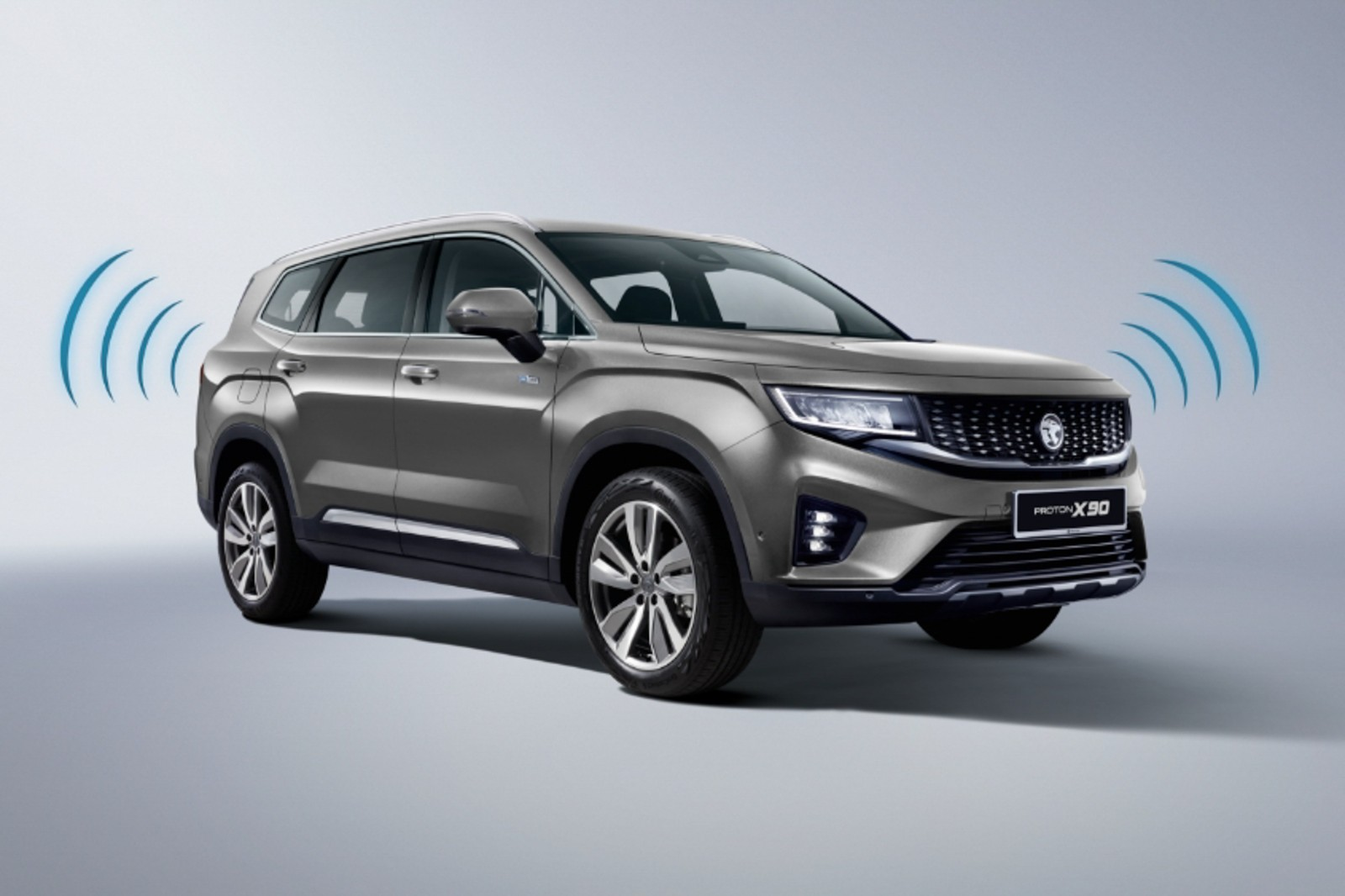
Overall, the Proton X90 has become a popular choice for many consumers in the Malaysian market when selecting an SUV due to its reasonable price, outstanding performance, abundant features, and reliable safety performance. It meets the multifaceted needs of Malaysian families for vehicle space, practicality, comfort, and safety, while also delivering notable performance in terms of fuel economy and exterior design. If you are planning to purchase an SUV in the near future, consider visiting a Proton showroom to personally test drive the Proton X90. It is sure to surprise you.
Porsche 911 Turbo S launches a hybrid version to address increasingly stringent environmental regulations
AshleySep 11, 2025, 10:03 AM
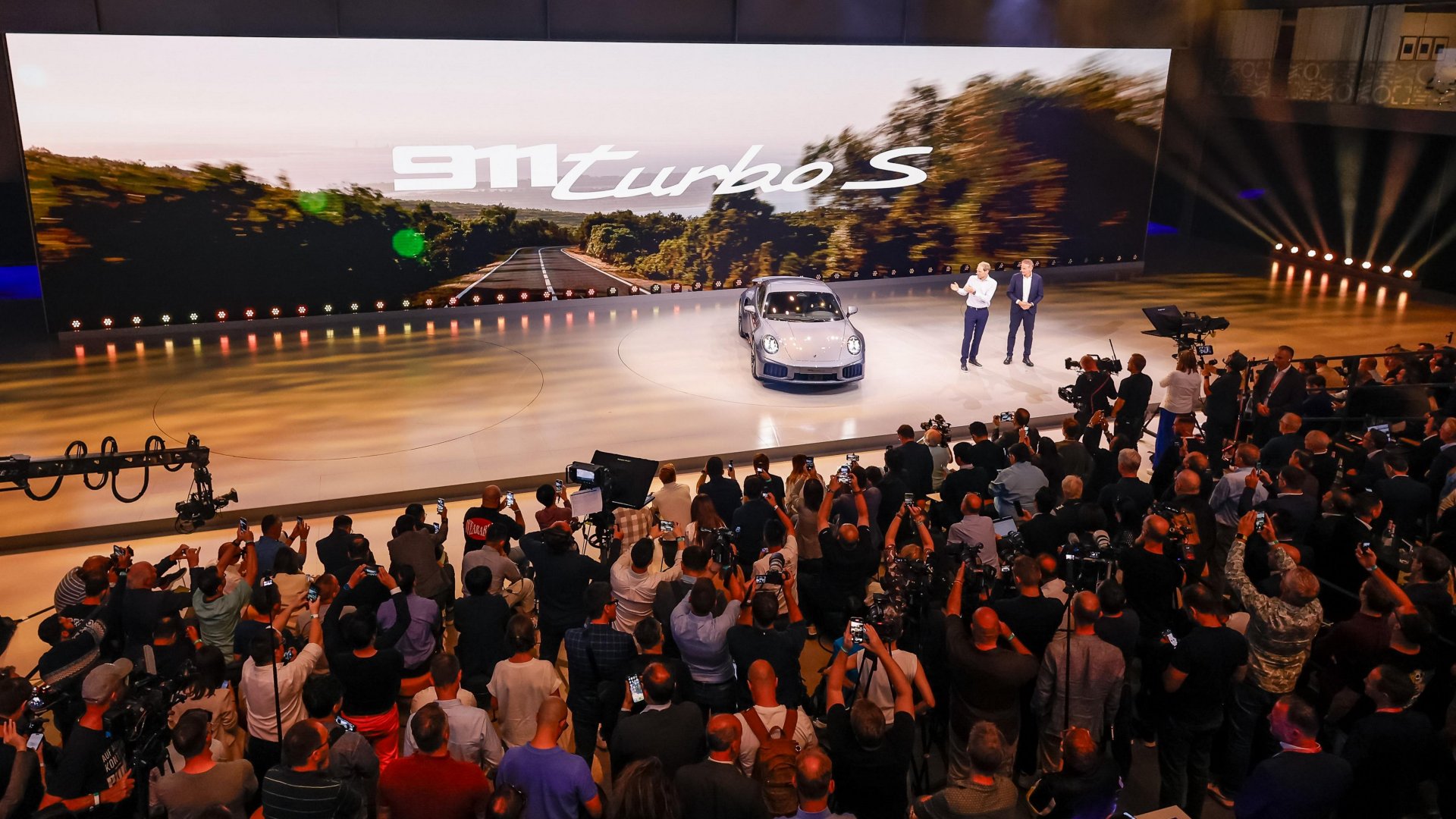
[PCauto] Porsche 911 Turbo S hybrid version debuted as part of the 992.2 mid-cycle update at the 2025 IAA Mobility Munich Motor Show.
The new 911 Turbo S features the innovative T-Hybrid technology, delivering a system output of 523 kW (711 PS), making it the most powerful production 911 model in history.
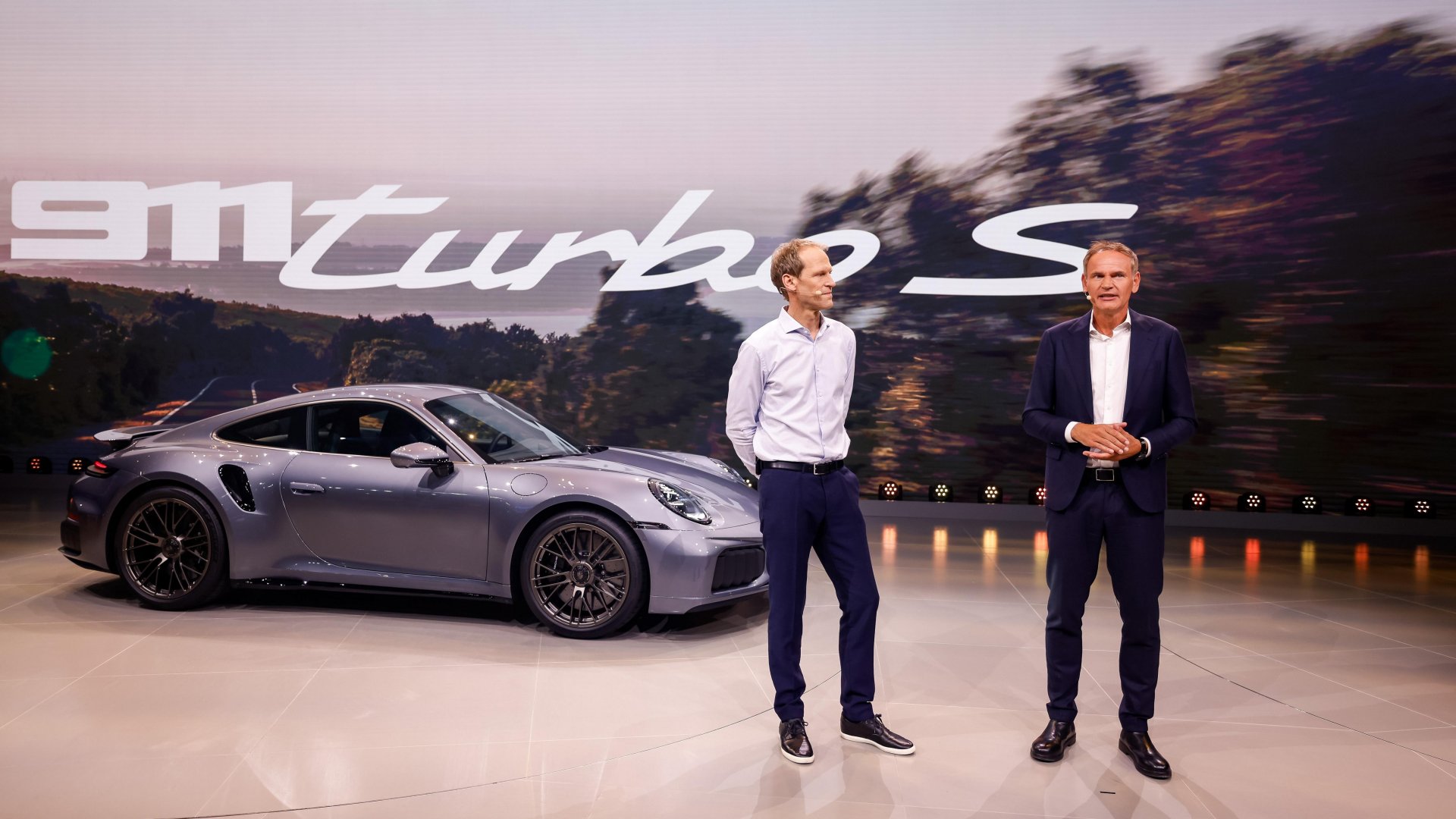
Global Emissions Regulations Are Tightening, Forcing Porsche to Address Emission Concerns
The tightening of global emissions regulations is a key factor driving Porsche to introduce the hybrid version of the 911 Turbo S. Starting from 2025, the EU will implement CAFE regulations requiring new cars to have an average CO₂ emission limit of no more than 93.6 grams per kilometer, or face hefty fines.
Traditional internal combustion engines struggle to meet these standards, while hybrid technology, with electric motor assistance and energy recovery, can effectively reduce fuel consumption and emissions.
As a global brand, Porsche needs to adapt to these regulatory changes. The hybrid 911 Turbo S has a WLTP combined fuel economy of 11.8–11.6 L/100 km and CO₂ emissions of 266–262 g/km, marking an improvement over the previous generation.
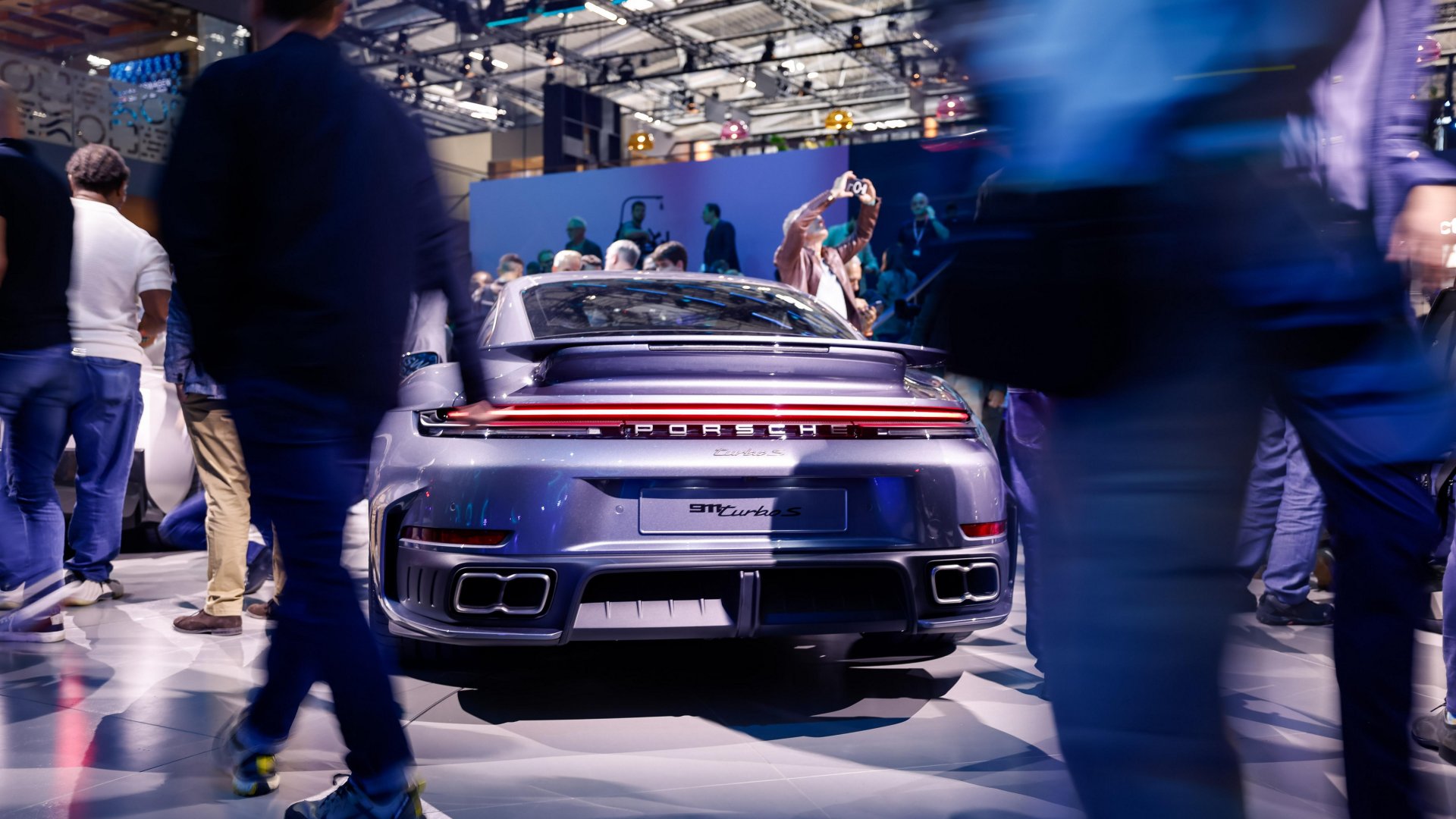
The Design of the New 911 Turbo S Hybrid Has Some Slight Changes
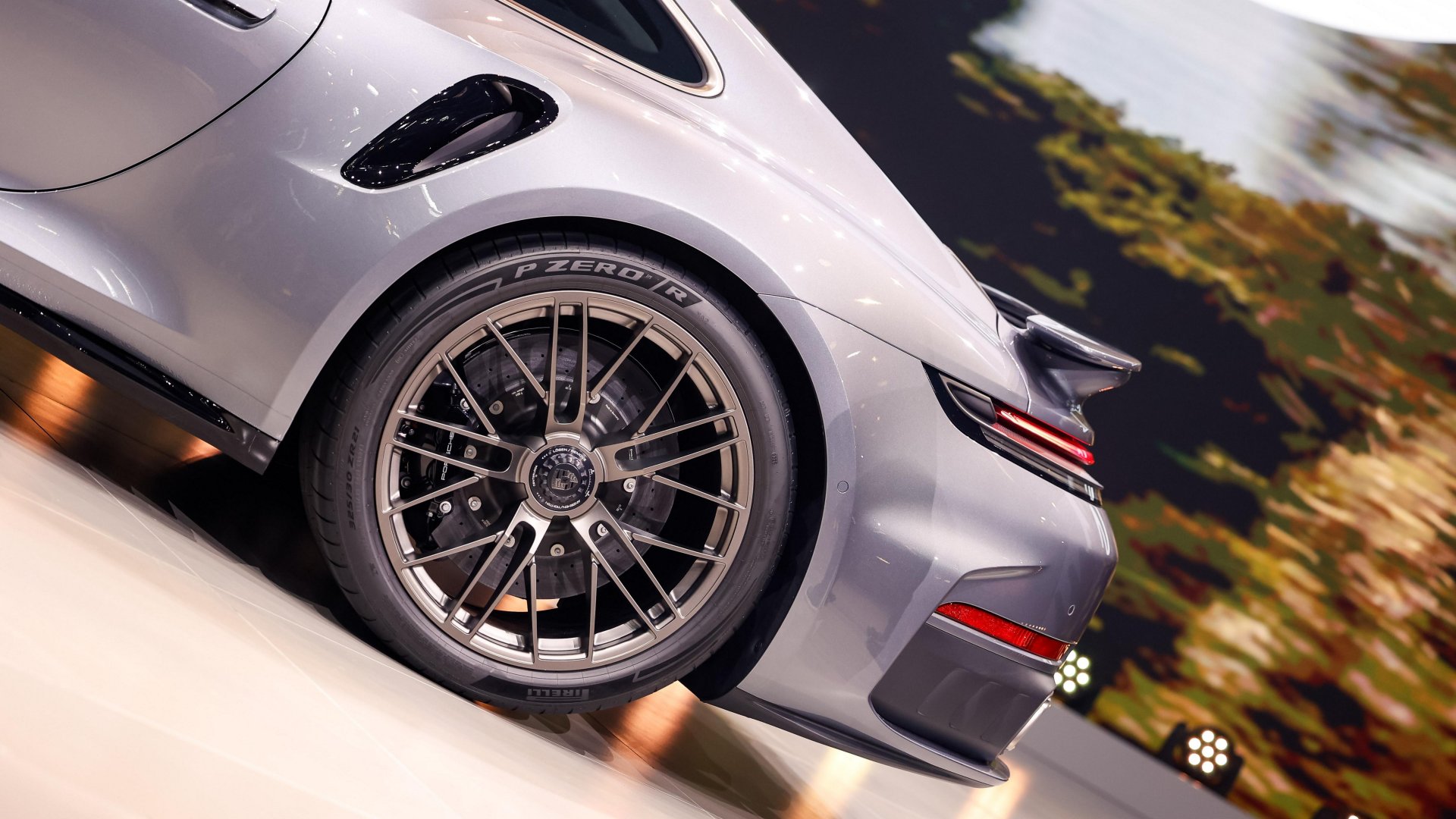
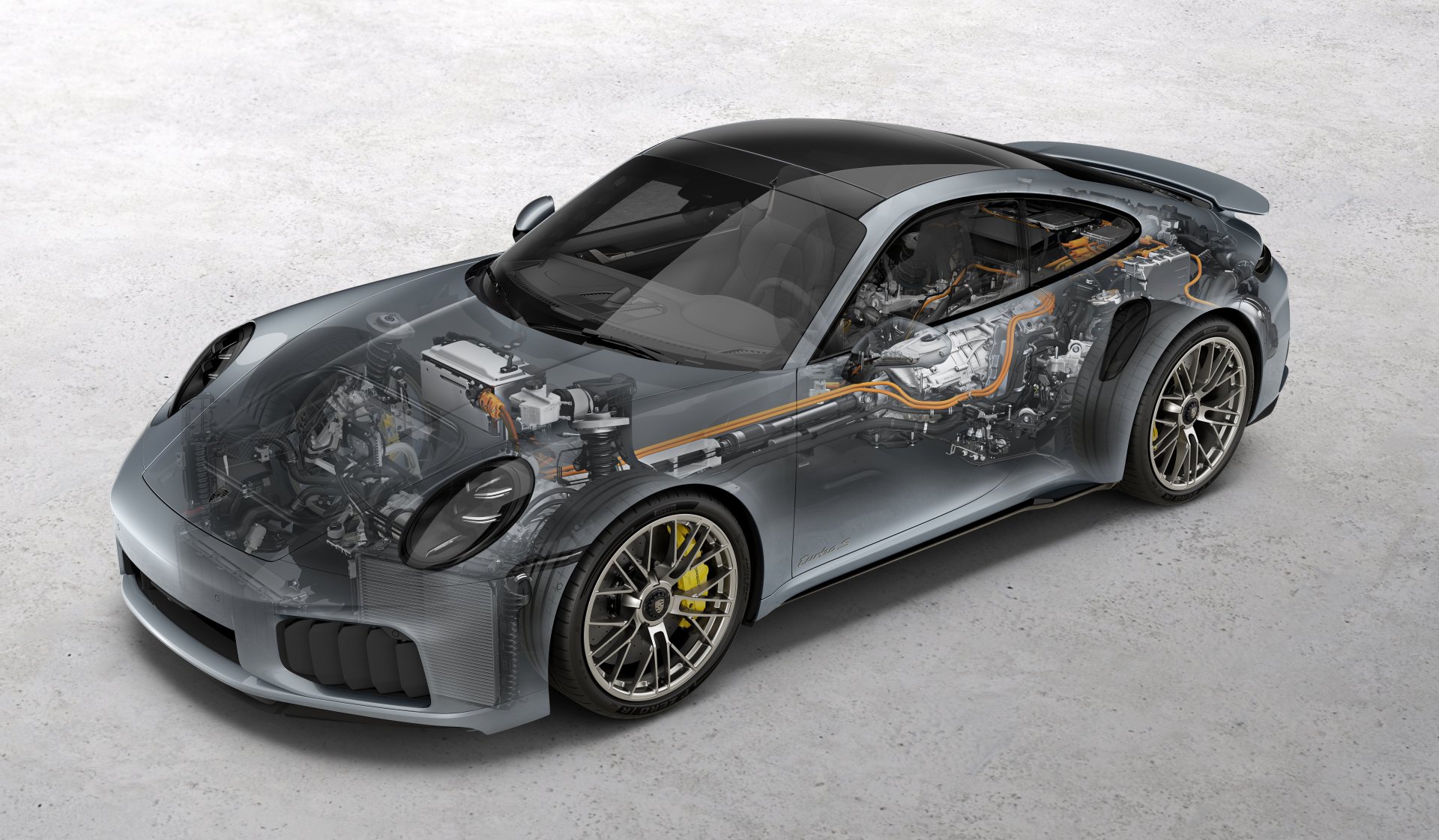
In terms of design, the 911 Turbo S Hybrid incorporates Porsche’s Turbo design strategy, featuring exclusive Turbonite color elements, including the Porsche crest, Turbo S lettering, and wheel design.
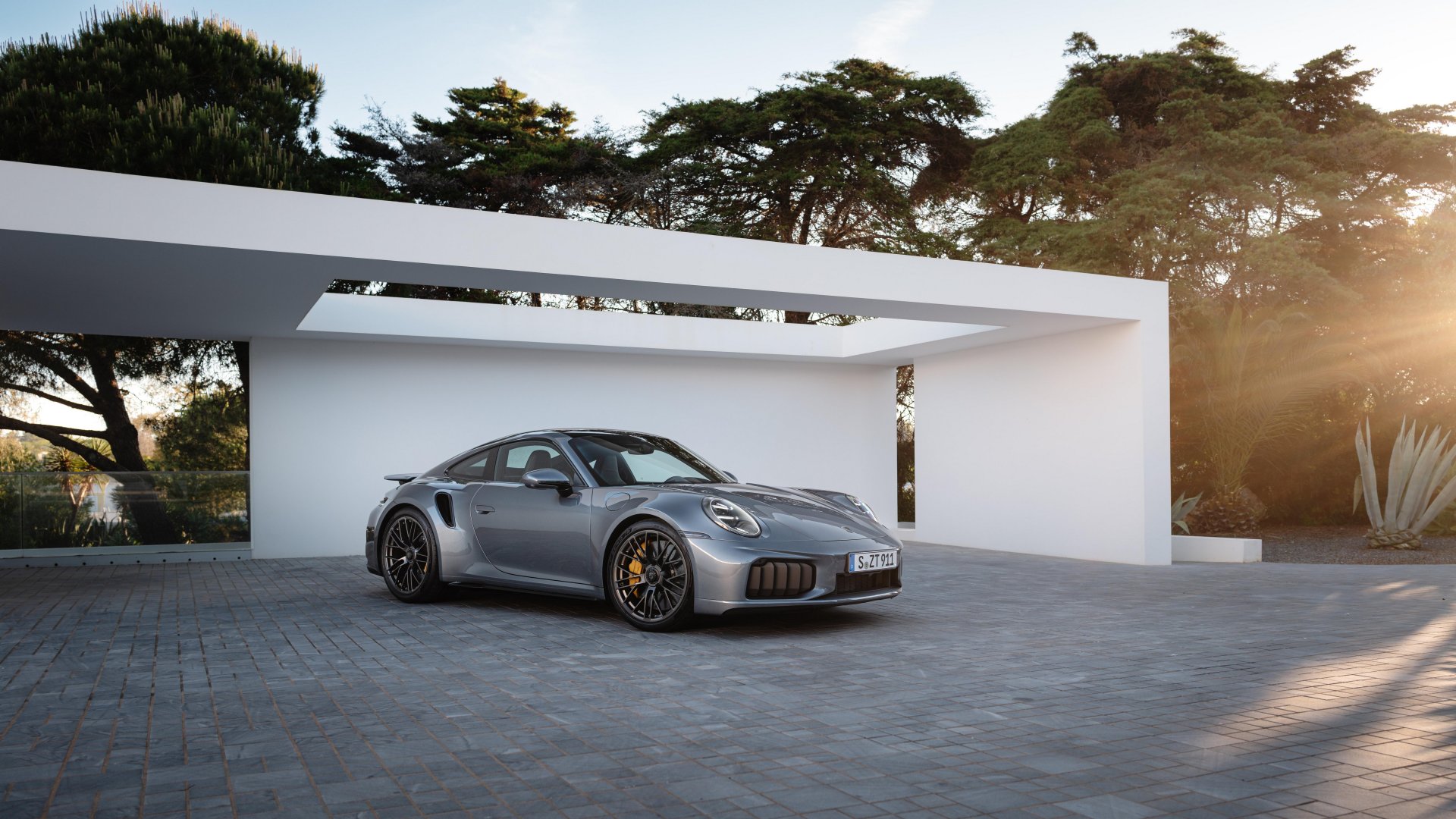
For the exterior, the body is wider, the rear features striking air vents, and the active aerodynamics system includes vertical cooling air flaps and a front diffuser, which can intelligently reduce lift or drag.
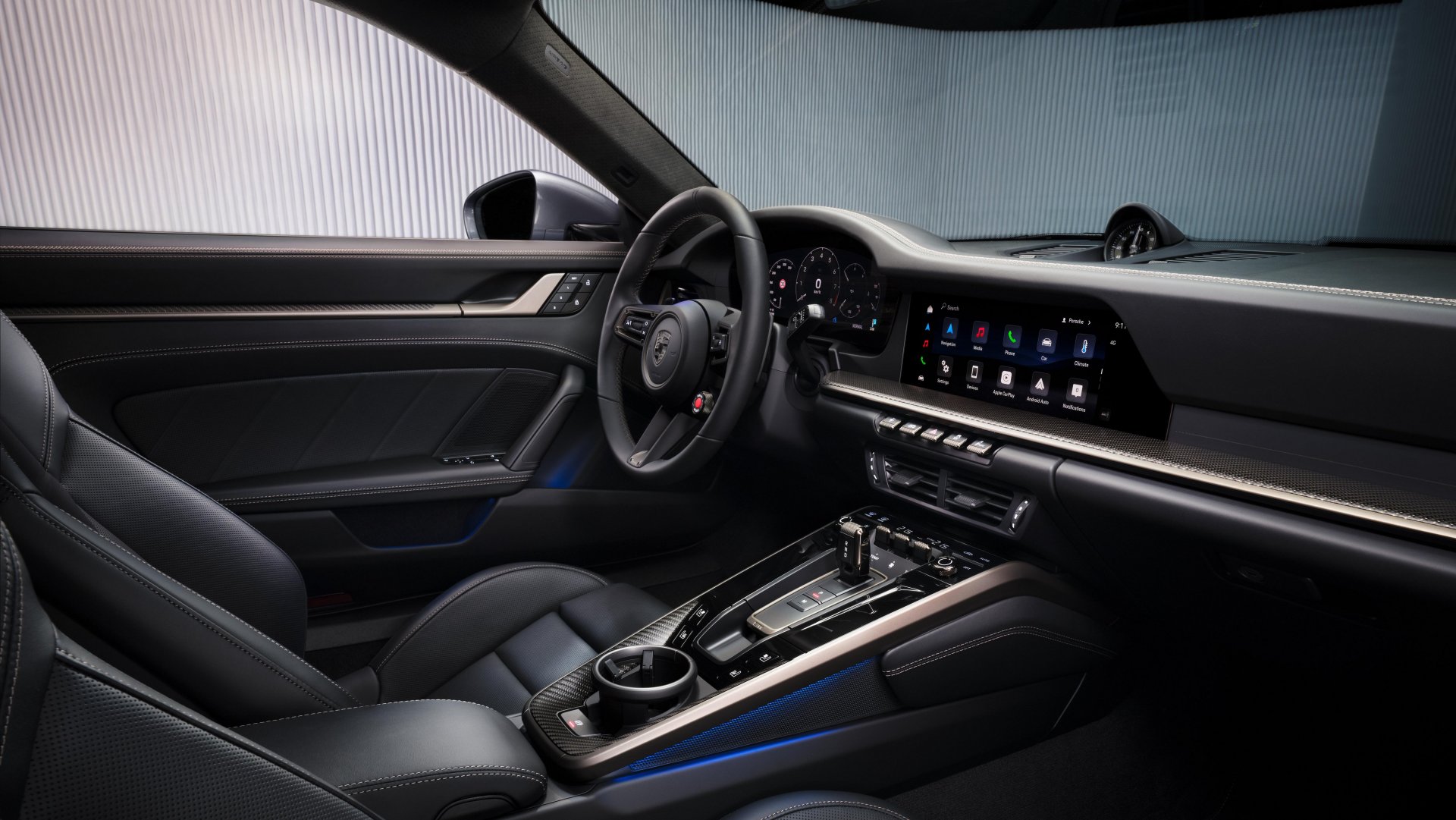
In the interior, Turbonite accents are applied to the steering wheel, dashboard, and other areas. The standard configuration includes Adaptive 18-way Sports Seats Plus, with optional carbon fiber lightweight bucket seats.
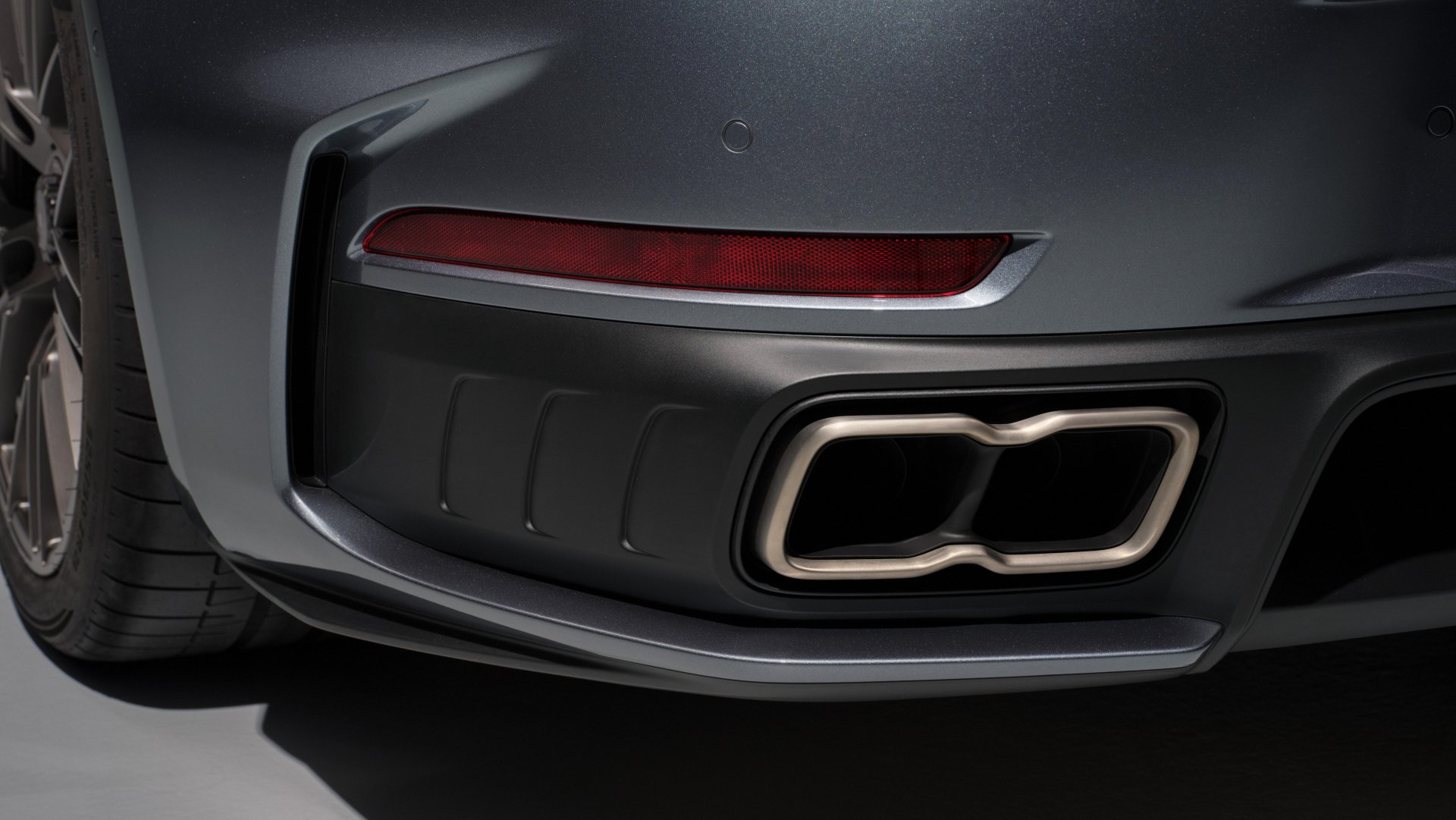
The vehicle also comes standard with HD Matrix LED headlights and a titanium alloy sports exhaust system, reducing weight by 6.8 kilograms.
911 Turbo S joins with a system called T-Hybrid
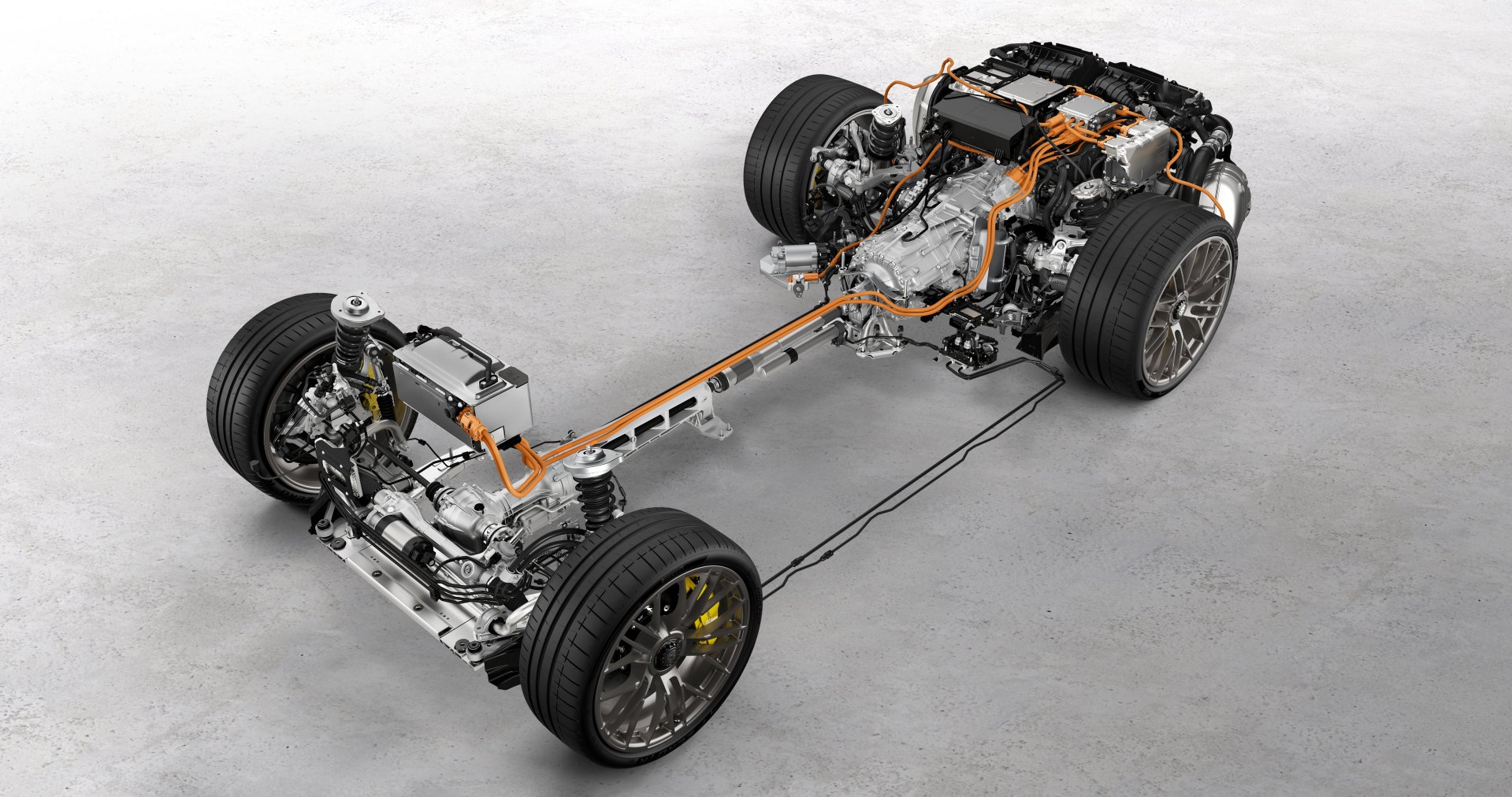
The 911 Turbo S hybrid version retains the 3.8L twin-turbocharged flat-six engine.
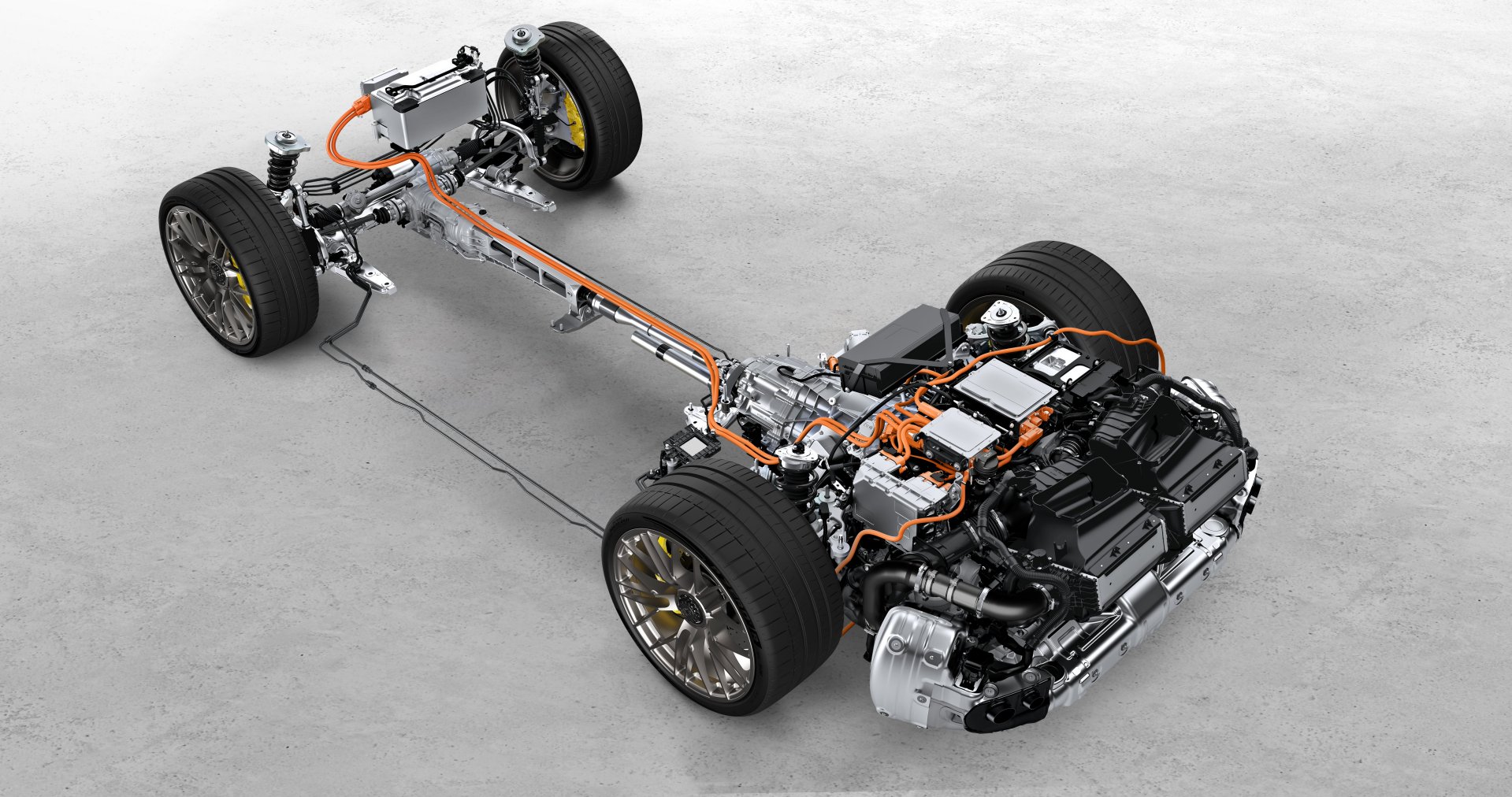
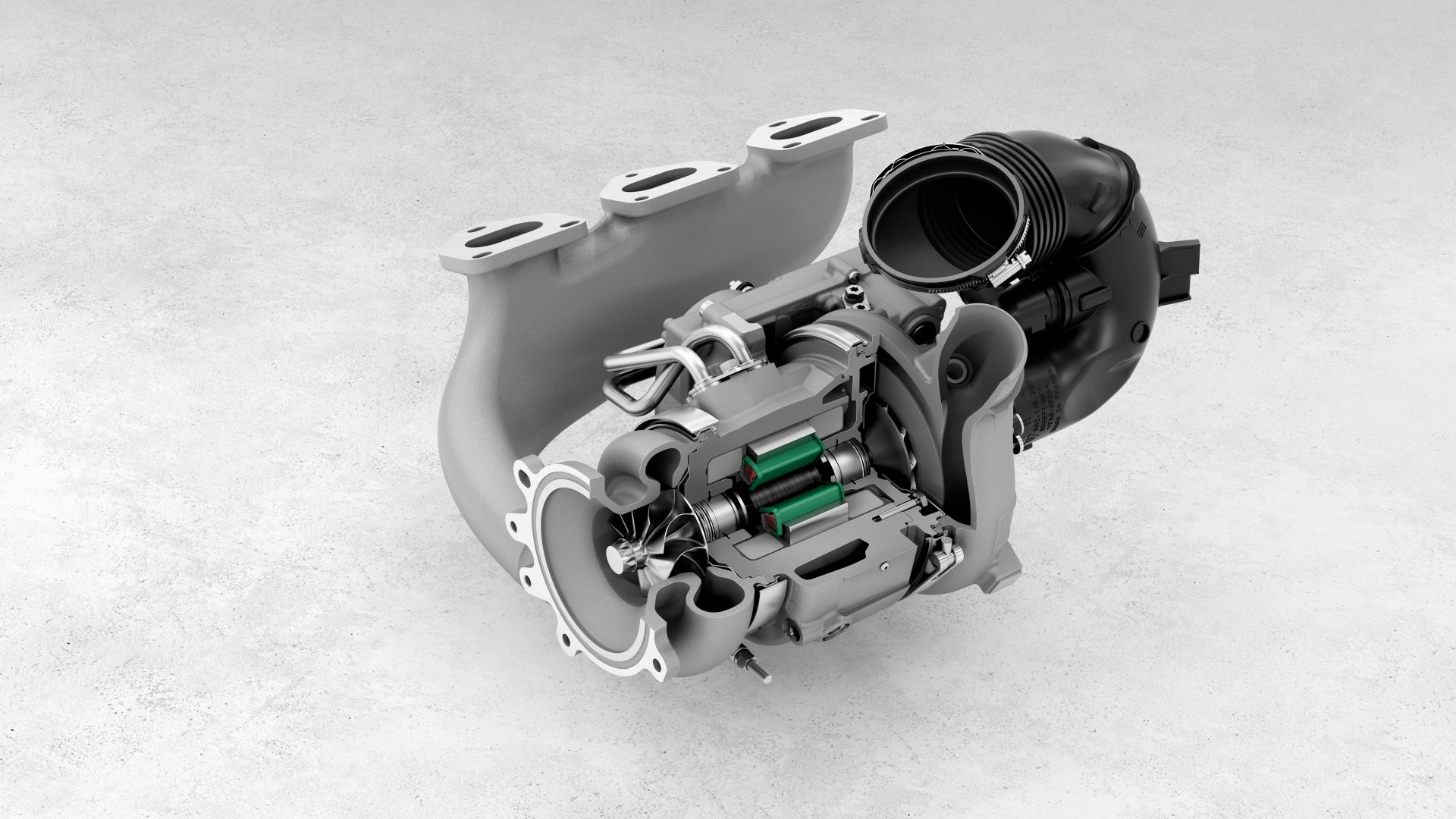
This T-Hybrid system includes two electric turbochargers (eTurbos), which use electric motors to control turbo speed, eliminating turbo lag and improving low-end response. The system offers a combined torque of 800 Nm, which can be delivered over a wide range of 2,300 to 6,000 rpm.
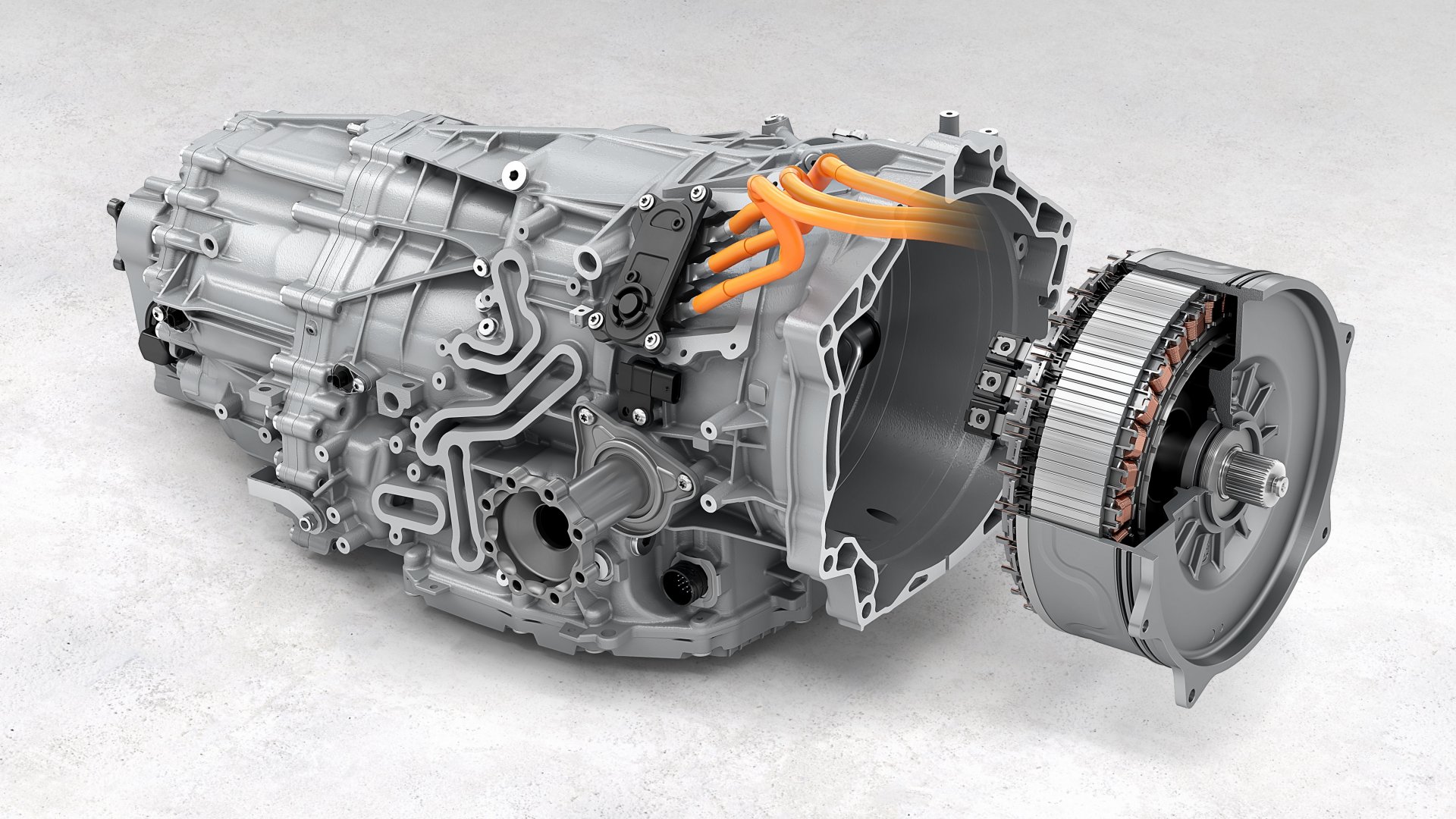
The electric motor is integrated into the PDK transmission, providing short-term torque assistance and energy recovery functions. The battery capacity is 1.9 kWh, supporting short-distance electric coasting, but this is not designed as a plug-in hybrid system.
Porsche emphasizes that this hybrid configuration aims to maintain the pure driving experience of the 911, rather than pursuing electric-only range.
In Addition to Being More Environmentally Friendly, the Performance of the New 911 Turbo S Has Also Improved
The new 911 Turbo S accelerates from 0-100 km/h in 2.5 seconds, a 0.2-second improvement over the previous generation; 0-200 km/h acceleration takes just 8.4 seconds, an improvement of 0.5 seconds; and the top speed reaches 322 km/h.
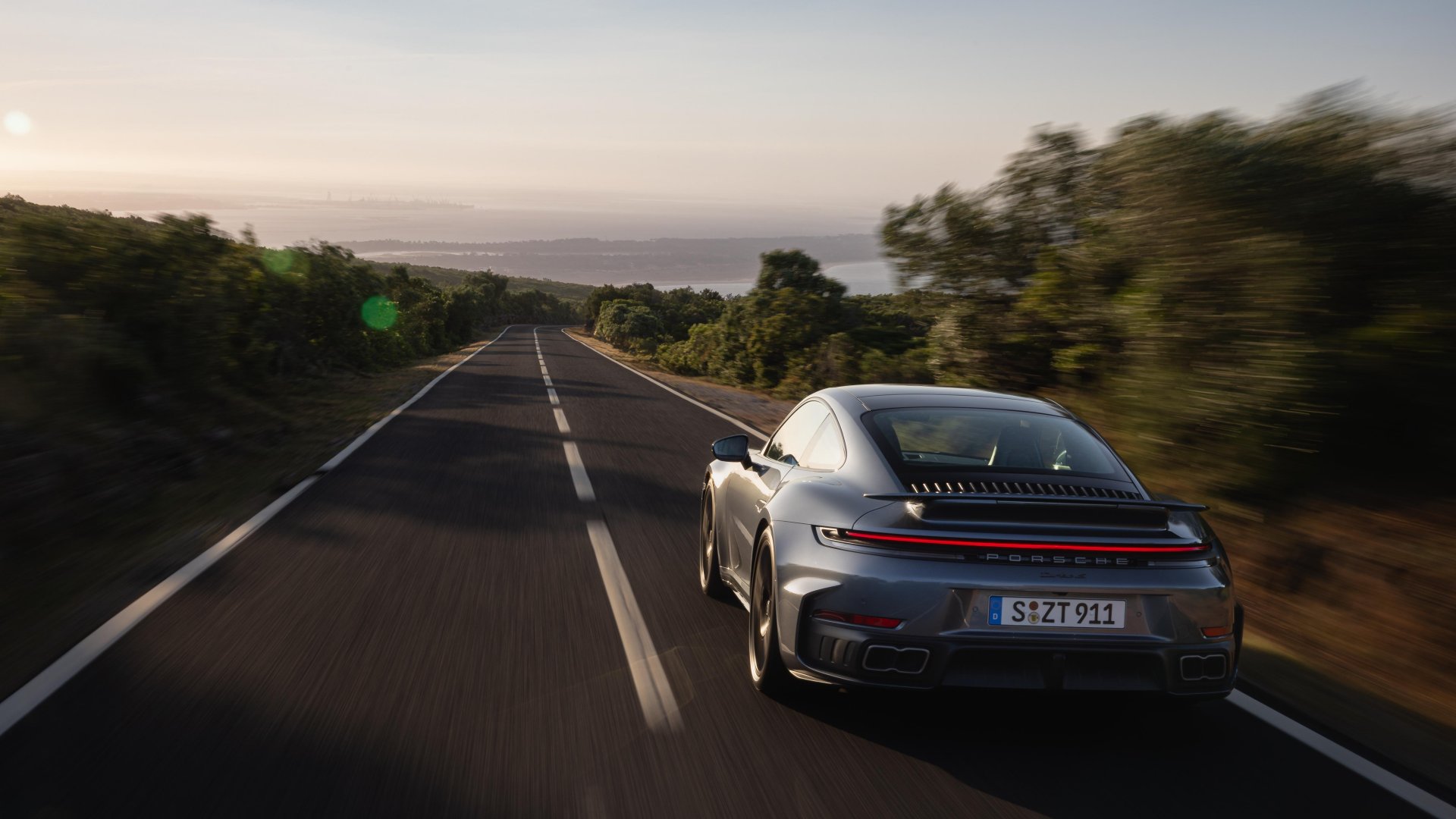
The most striking feature is its lap time of 7:03.92 minutes on the Nürburgring Nordschleife, approximately 14 seconds faster than the previous generation.
These improvements are attributed to powertrain optimization and lightweight design. Despite the added weight from the hybrid system, the 911 Turbo S uses carbon fiber components and Varta batteries, increasing the overall weight by only 85 kilograms, while optimizing the weight distribution (with the battery placed at the front) to ensure excellent handling.
In terms of market positioning, the 911 Turbo S Hybrid’s competitors include the Ferrari 296 GTB and McLaren Artura, both of which adopt plug-in hybrid technology. Therefore, Porsche’s choice has been criticized by some as conservative.
Porsche Plans to Fully Electrify Its Model Lineup
Porsche’s electrification strategy is another driving force behind the launch of the 911 Turbo S Hybrid. Currently, Porsche has planned a full transition to electric vehicles: the 718 series will cease production of fuel-powered versions in October 2025, the all-electric Macan is already on the market, and the all-electric Cayenne is planned for release in 2026.
The 911, as an iconic model, sees hybridization as a key step towards full electrification, retaining classic elements like the flat-six engine while accumulating experience with future technologies.
These are not isolated events but are part of the brand’s overall strategy to address electric vehicle competition.
The Porsche 911 Turbo S Hybrid is a Product of Regulatory Pressure and Proactive Brand Evolution
The 911 Turbo S uses hybrid technology to enhance performance, rather than merely meeting emissions requirements. As the global automotive industry transitions to low-carbon technologies, such high-performance hybrid models might become an important choice during the transition period. In the future, Porsche will continue to optimize its hybrid system, with plans to further integrate electrification technologies into subsequent models.