



Ford Focus is about to cease production in November and may return in 2027 in the form of an SUV.
[PCauto] Ford is embarking on a strategic repositioning of its iconic product lineup. Multiple industry reports indicate that following the official discontinuation of the current Ford Focus sedan in November 2025, Ford intends to introduce a new compact crossover SUV bearing the Focus nameplate in 2027.
The Ford Focus Is a Vehicle Worthy of Remembrance
It earned its status as a classic due to the groundbreaking impact it made upon its debut in 1998.
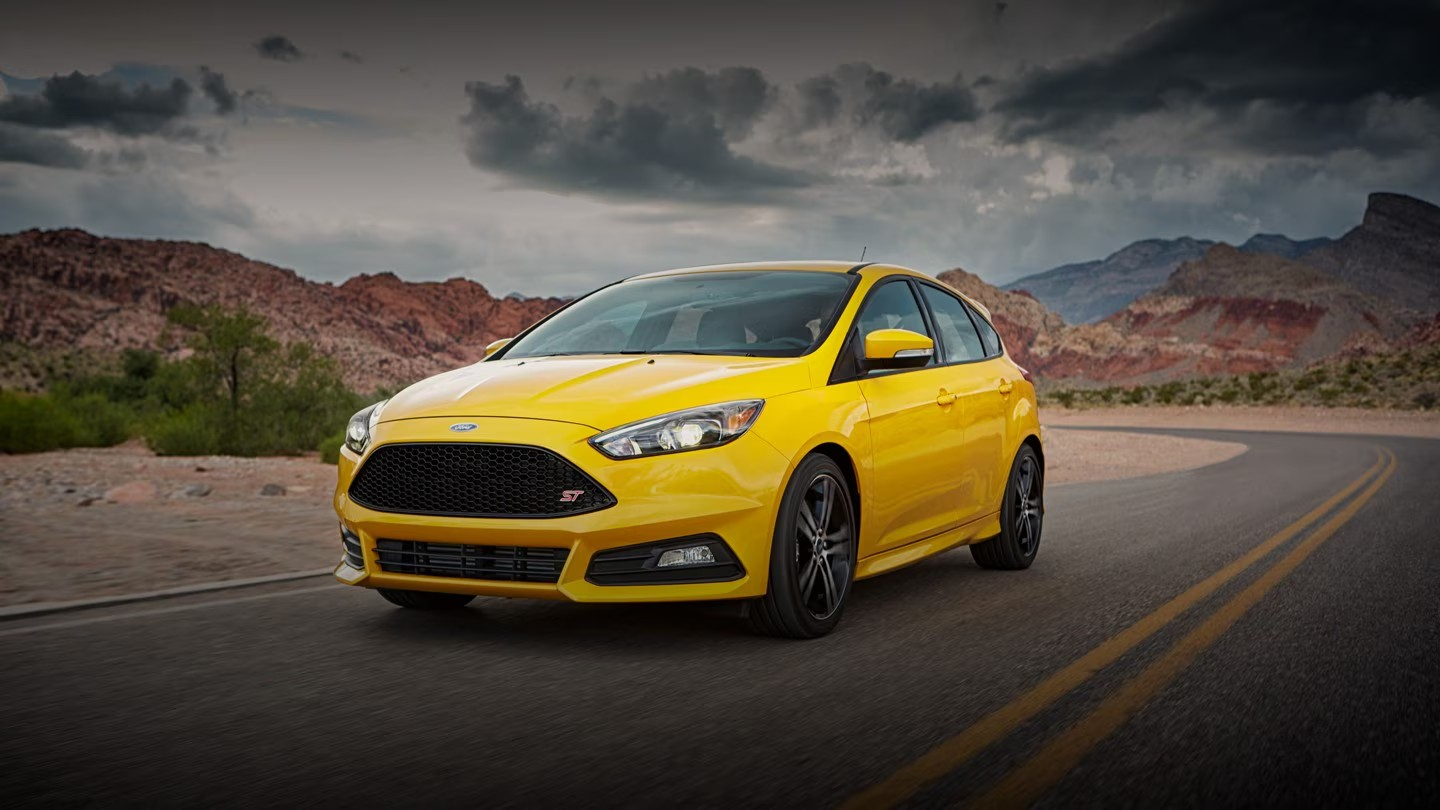
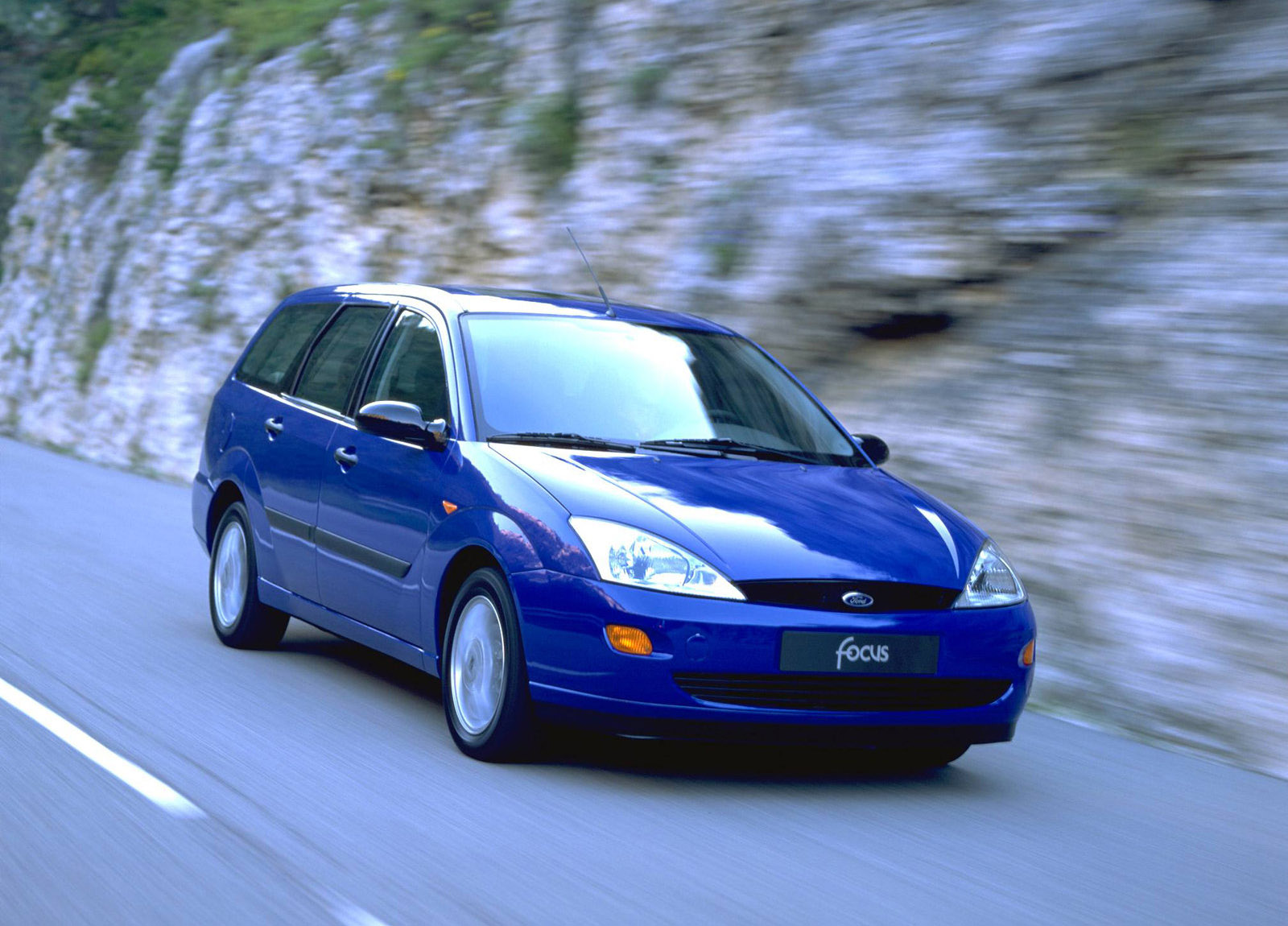
It was one of the key models to utilize the globally developed C1 platform and came standard with the groundbreaking “Control Blade” multi-link rear independent suspension system. This design provided it with driving precision and enjoyment far beyond its peers, earning it the title of “driver’s car” from global automotive media.
The Focus’s outstanding chassis tuning and dynamic design successfully raised the driving standards of European compact sedans to new heights, making it a global benchmark product that rivaled the Volkswagen Golf and Honda Civic. With cumulative sales exceeding ten million units, it has built an unmatched brand legacy and emotional connection with users.
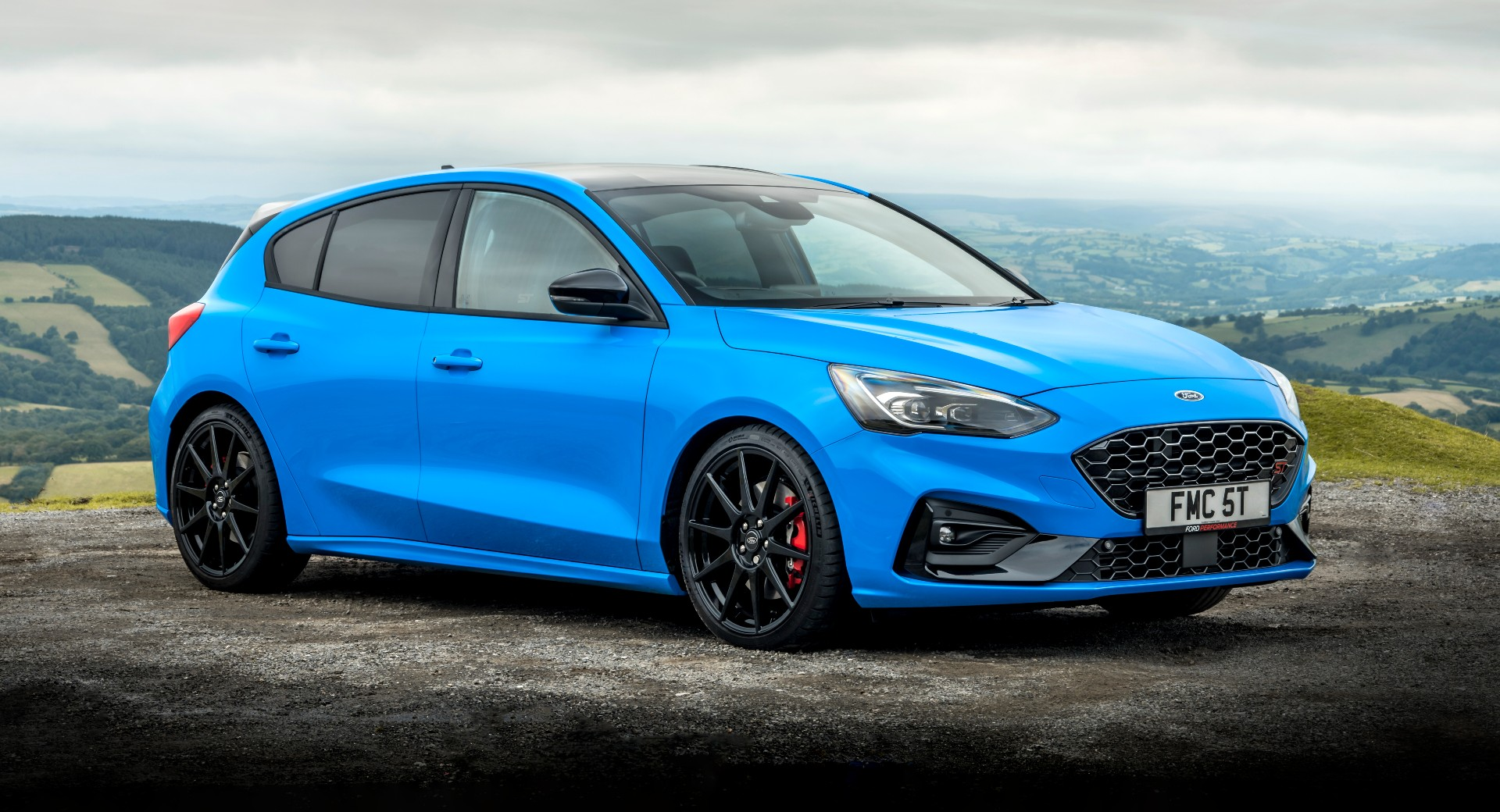
SUVs Are Becoming Increasingly Popular, Leaving the Focus Marginalized in the Market
However, this classic model ultimately could not withstand the tide of market structural changes. The core reason for its market marginalization lies in the fundamental shift in global consumer preferences.
Over the past decade, SUVs and Crossover models have gained mainstream popularity among family users for their higher driving visibility, more spacious seating, and superior road adaptability, leading to the continuous decline in market share for traditional compact sedans.
According to industry reports, the market share for compact sedans in Europe has dropped from 17% in 2018 to 11% in 2023, while the share for compact SUVs has grown from 21% to 29% over the same period.
This trend is equally evident in Southeast Asian markets such as Thailand and Malaysia, with the SUV market share in Thailand reaching 45% by 2023.
In response to this change, Ford CEO Jim Farley made a pragmatic decision to “bid farewell to unprofitable traditional models,” redirecting R&D and production resources toward the more profitable, higher-demand SUV and new energy vehicle segments.
What Would the Focus Be Like If It Returned as an SUV?
The new model will be produced at Ford’s Valencia plant in Spain, which has an annual production capacity of 300,000 units and utilizes Ford’s mature C2 modular architecture.
This platform is currently applied to several global models, including the Kuga, Maverick, and Bronco Sport.
It is worth noting that the new Focus SUV will offer a choice of hybrid and all-electric powertrains, complementing the mild hybrid and plug-in hybrid technologies currently offered by the Kuga. However, it will not replace the existing Kuga product line but serve as a supplementary model sold in parallel.
Ford’s Strategy of Using Classic Model Names on New Products Is Not New
Previously, the reuse of names like Puma and Capri received market recognition, with the electric version of Puma achieving annual sales of 64,000 units in Europe.
This strategy of leveraging brand equity not only maintains consumer recognition continuity but also aligns with the needs of the electrification transition.
However, whether the core characteristic of the original Focus model, known for its handling performance, can be carried forward in the SUV model still requires validation through the actual product.
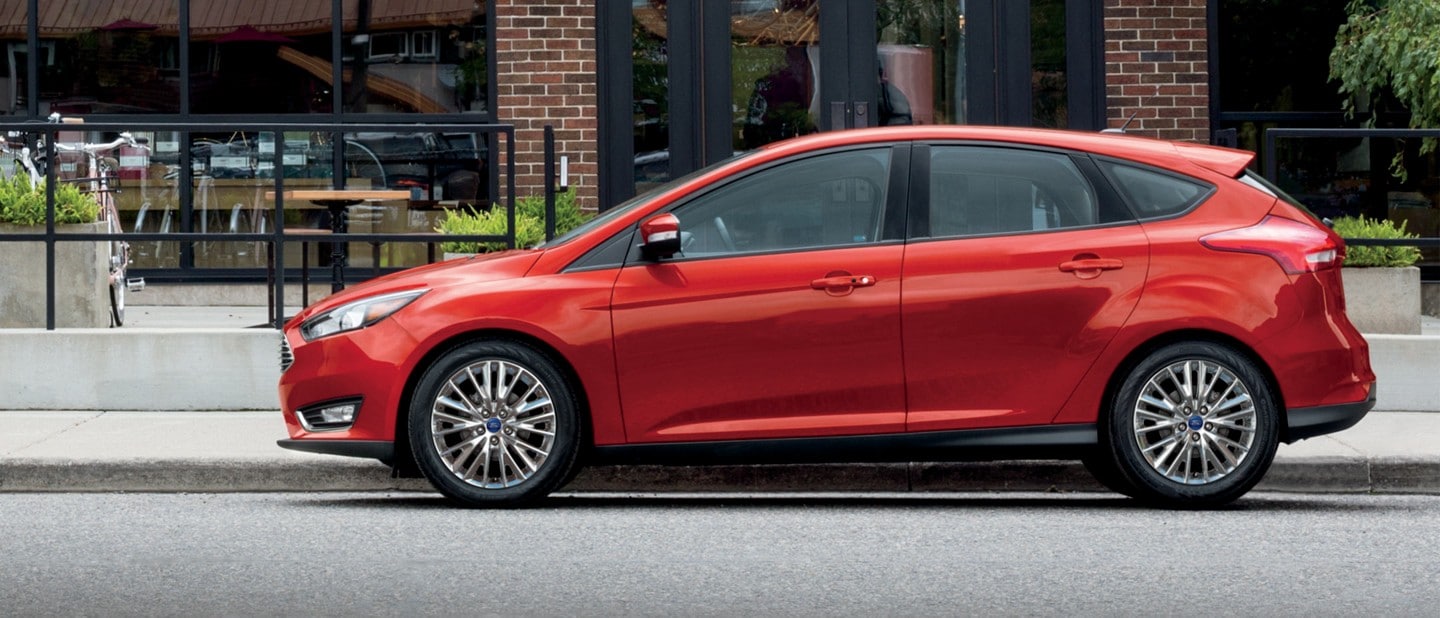
With the planned closure of Ford’s Saarlouis plant in Germany in November 2025 approaching, Ford’s electrification transition process in Europe will further accelerate.
According to Ford’s official plan, the entire European product lineup will be fully electrified by 2035. The new Focus SUV is an important product during this transition period.
2026 Toyota Land Cruiser released in North America, offering the 1958 edition as a tribute to history
JohnSep 15, 2025, 04:37 PM

[PCauto] The 2026 Toyota Land Cruiser has been launched in North America, combining legendary off-road heritage with modern technology and hybrid powertrain.
As the second model year of the 250 Series, the 2026 Land Cruiser features slight adjustments compared to the 2025 model, including a price increase and expanded color options, while maintaining its core performance and off-road capabilities.
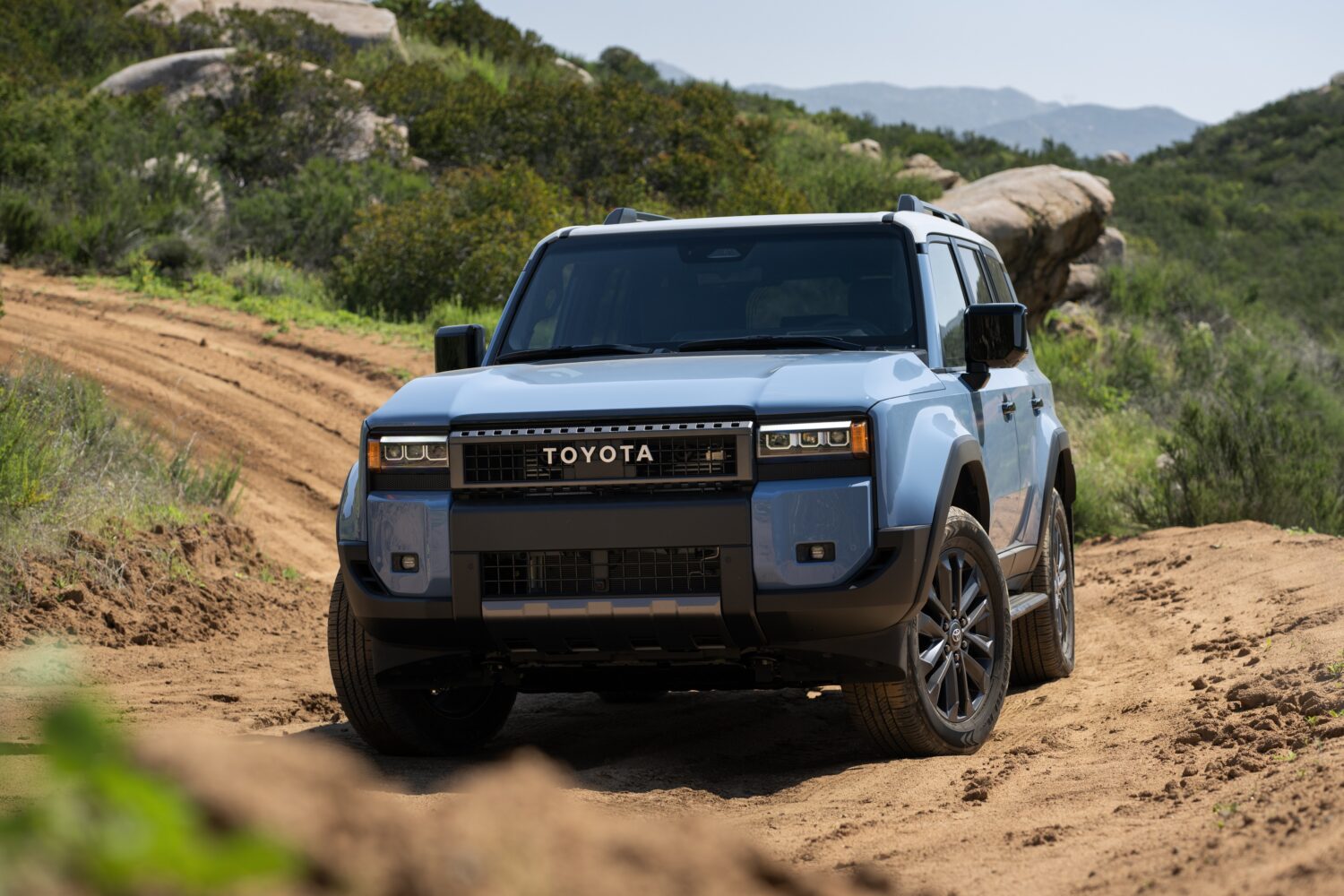
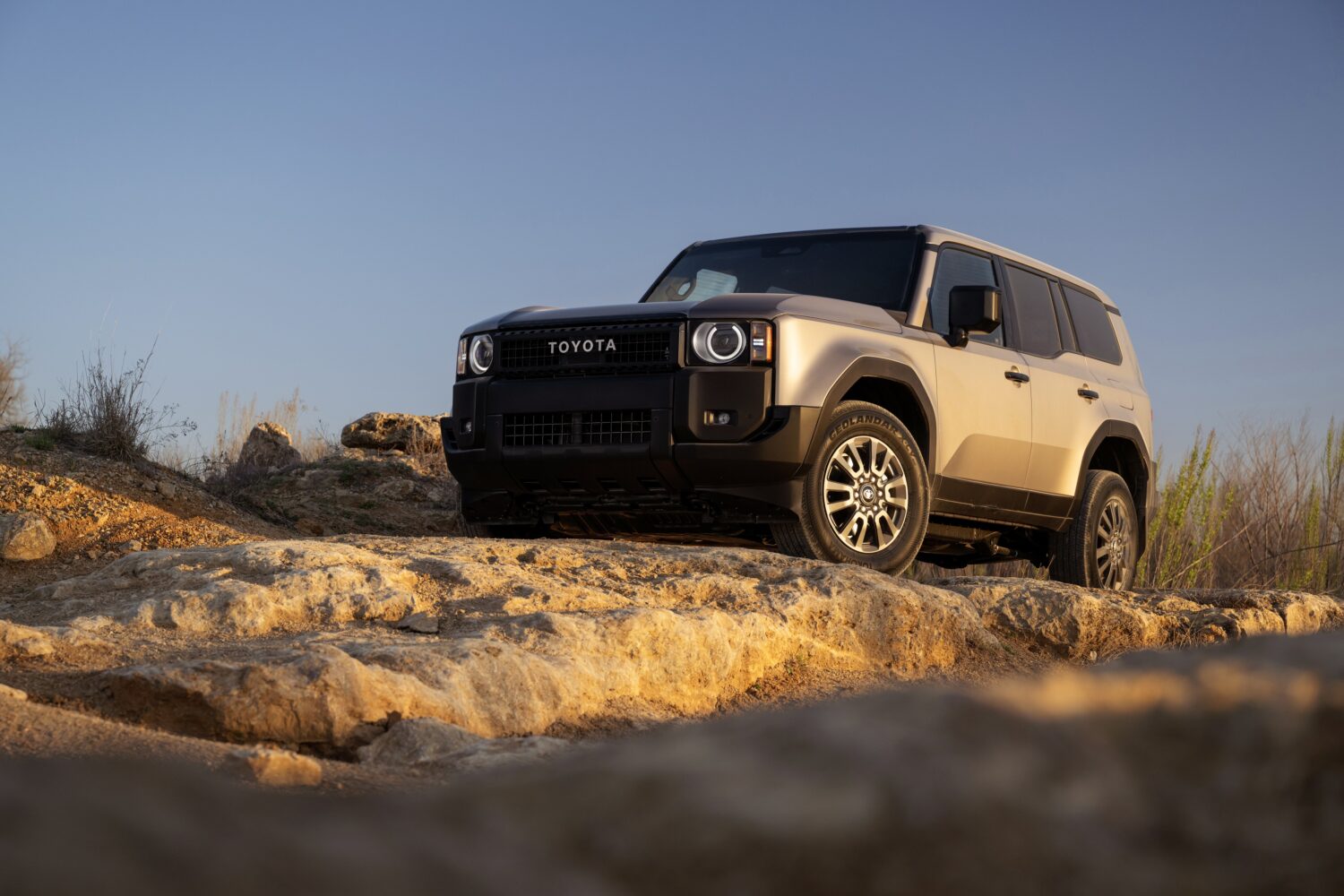
The 2026 model offers two trims: 1958 and Land Cruiser
The 1958 version pays tribute to history with round LED headlights, heated fabric seats, and a traditional grille, while modern features include a Blind Spot Monitor (BSM), a 7-inch digital instrument cluster, automatic climate control, and a 6-speaker audio system.
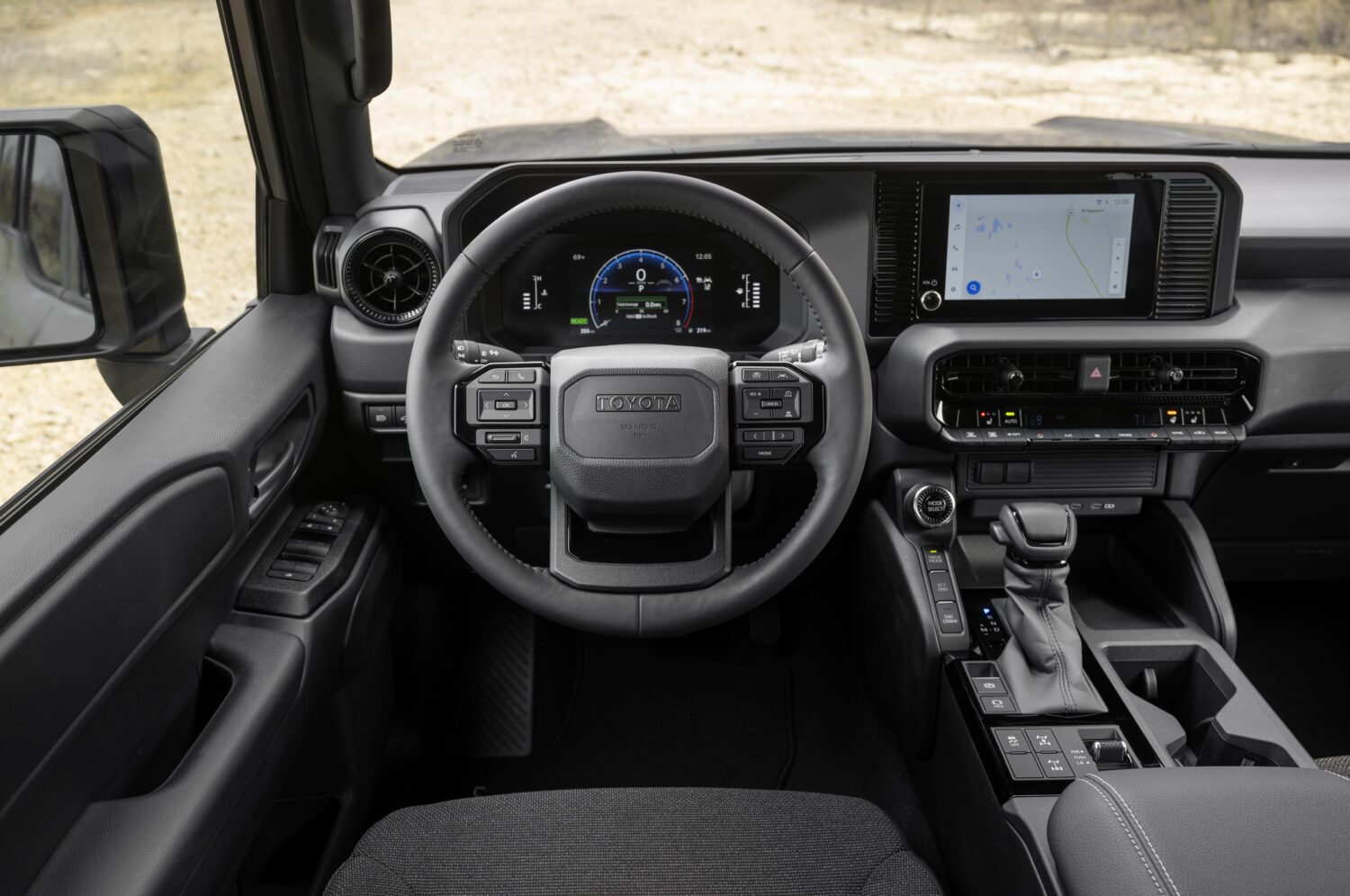
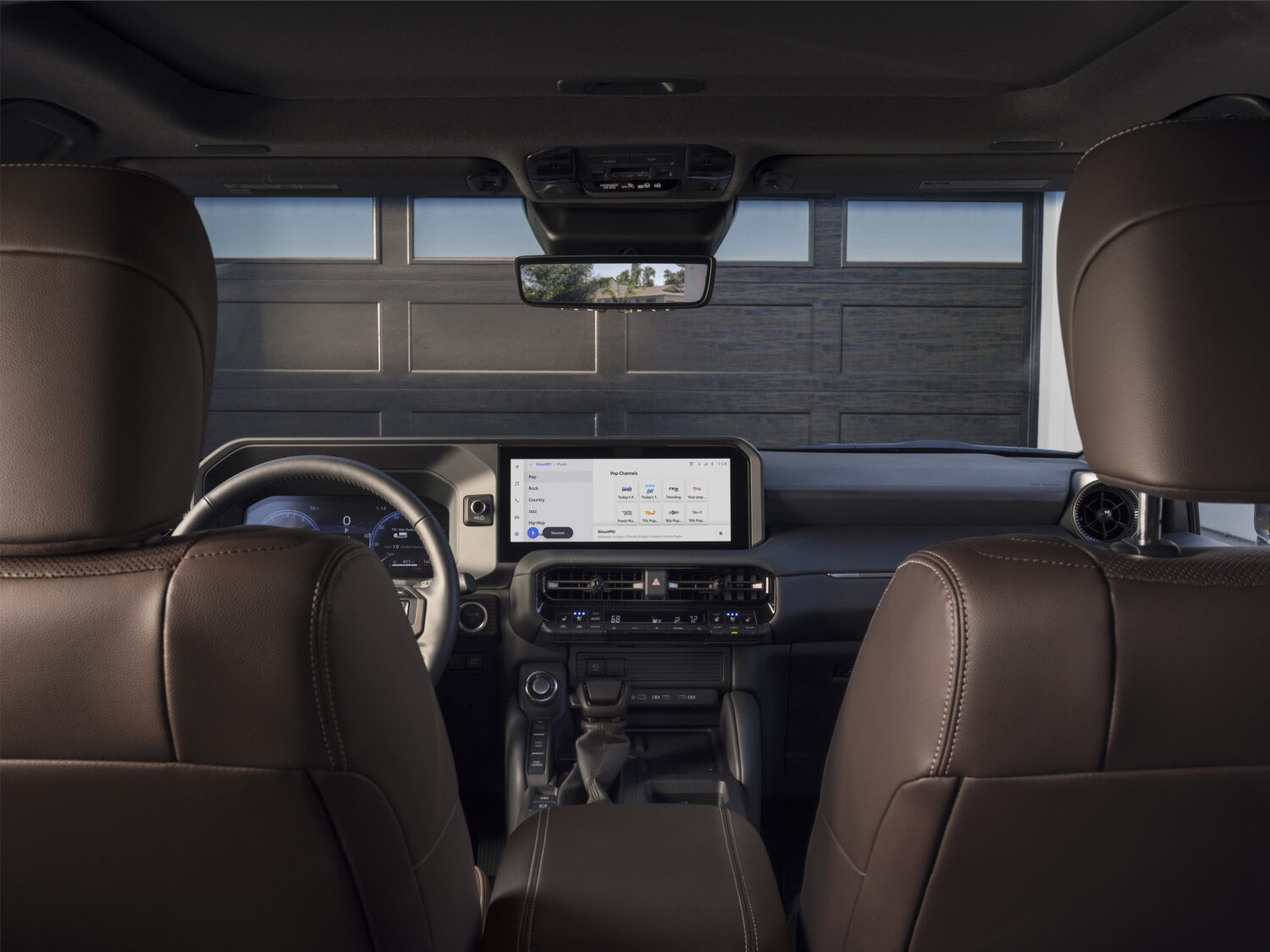
Land Cruiser upgrades to rectangular LED headlights, SofTex material heated and ventilated front seats, 12.3-inch touchscreen, and a 10-speaker audio system.
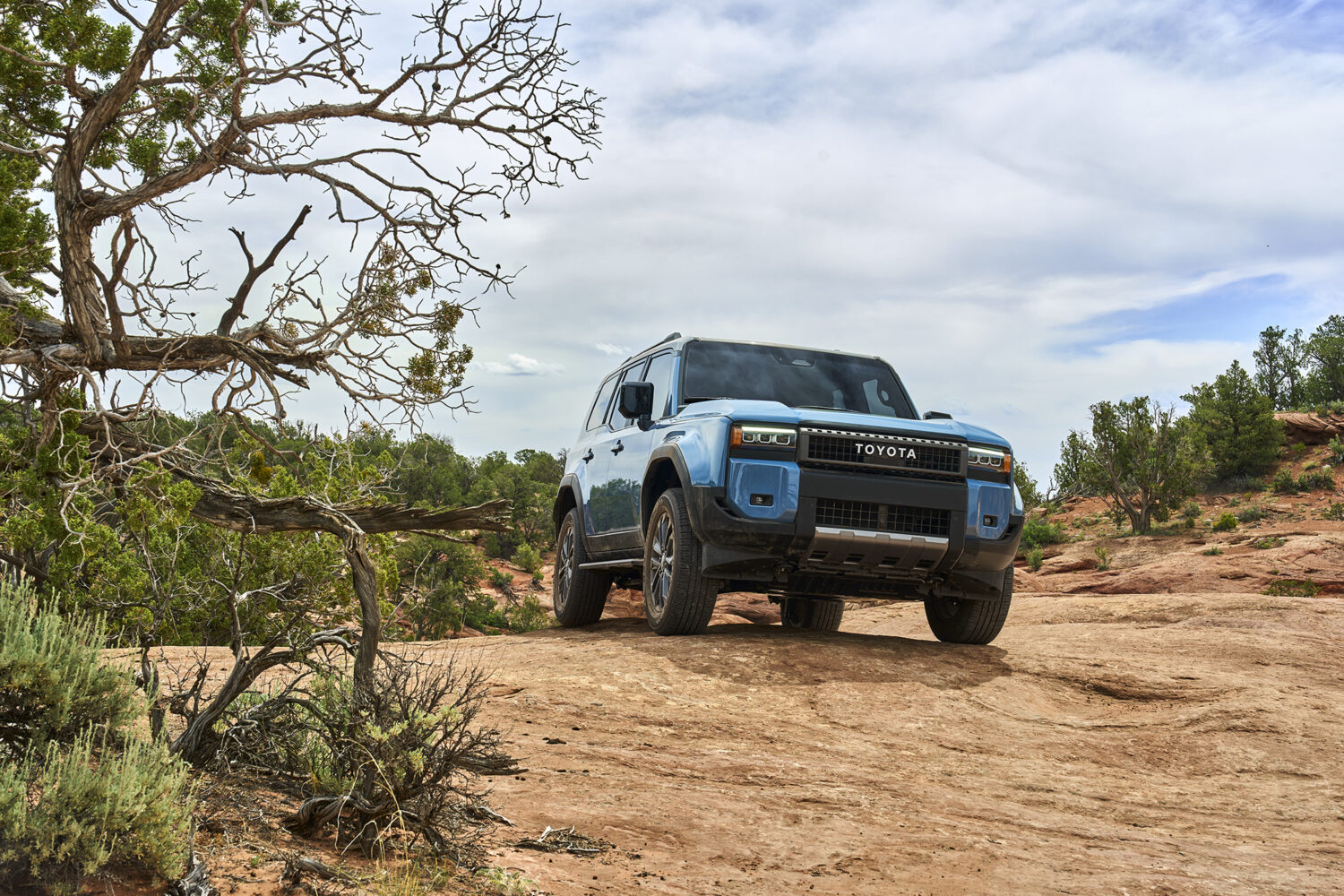
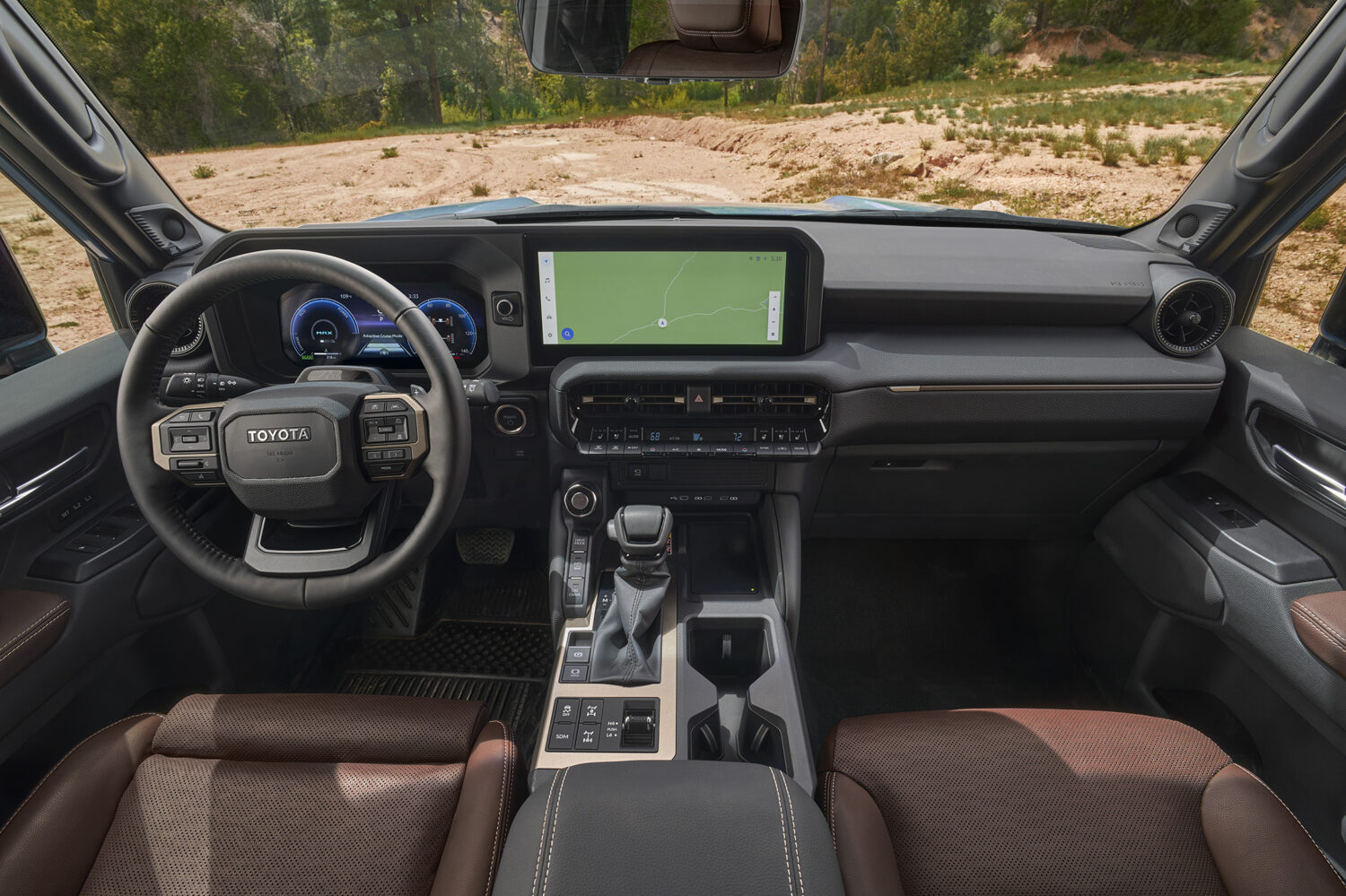
Trail-focused features include Rigid adjustable color LED fog lamps, Multi-Terrain Select, and Multi-Terrain Monitor.
Premium Package adds leather seats, 14-speaker JBL audio, digital rearview mirror, Head-up Display (HUD), and electric sunroof.
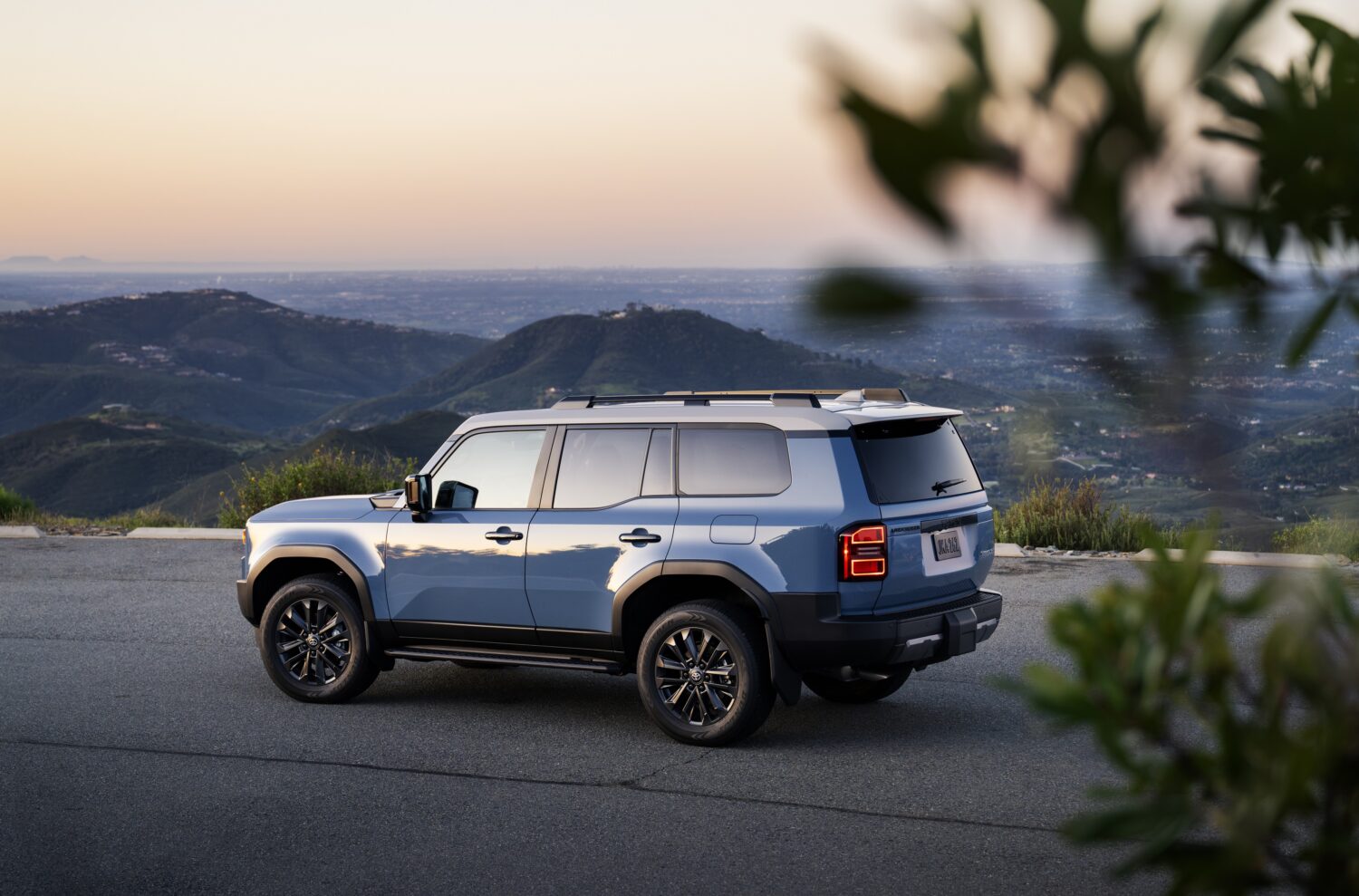
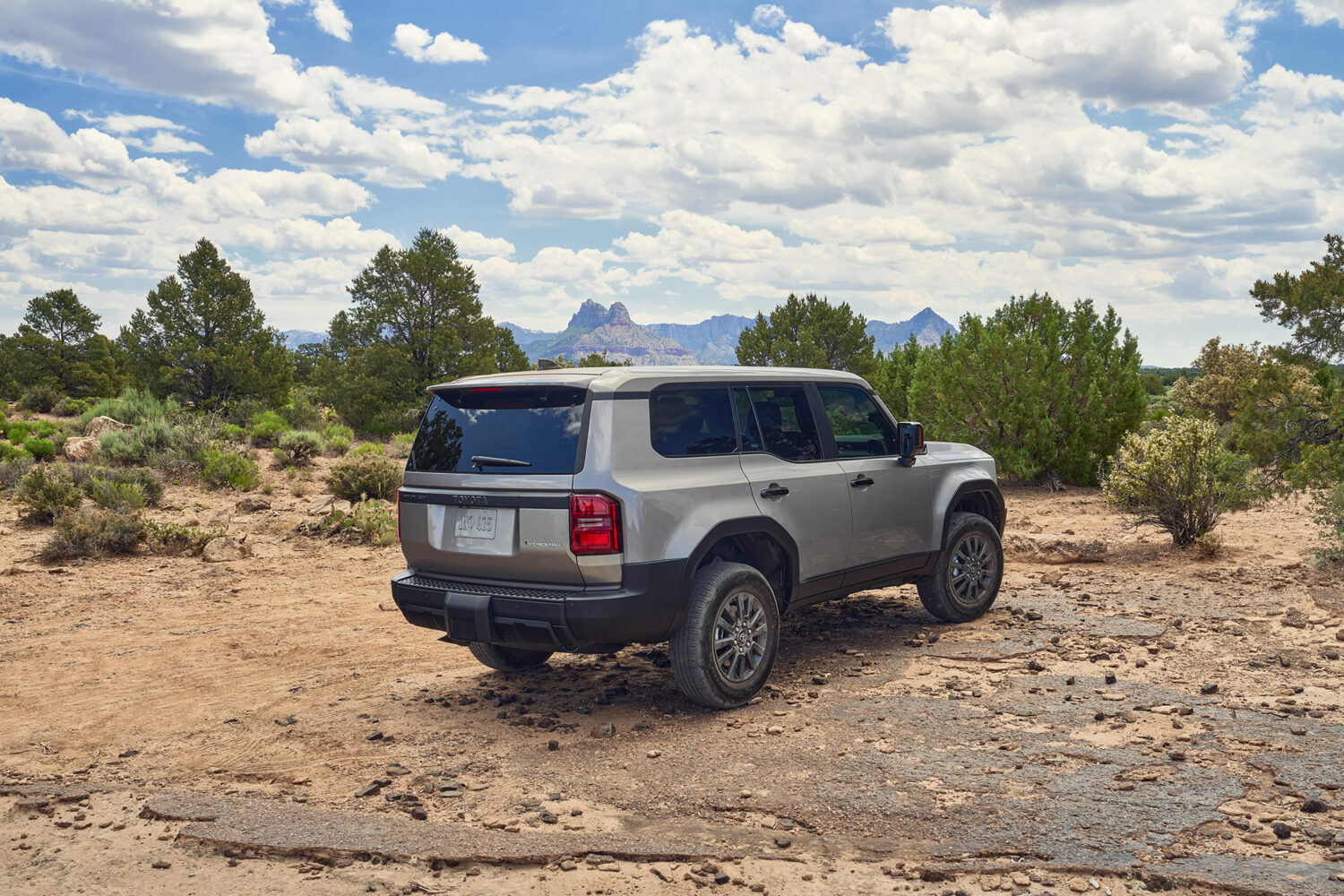
There are seven color options: Ice Cap, Wind Chill Pearl, Underground, Black, Meteor Shower, Trail Dust, and Heritage Blue.
Trail Dust and Heritage Blue offer a Grayscape dual-tone roof scheme, and a monotone Heritage Blue option at the Land Cruiser grade will be added in 2026 to meet different aesthetic preferences.
As part of TNGA, the 2026 Land Cruiser comes standard with Toyota Safety Sense 3.0 (TSS 3.0), including a Pre-Collision System with Pedestrian Detection, Lane Departure Alert with Steering Assist, Full-Speed Dynamic Radar Cruise Control, Lane Tracing Assist, Road Sign Assist, Automatic High Beams, and Proactive Driving Assist.
TSS 3.0 enhancements include improved Intersection Support, Motorcycle Detection, Enhanced Lane Recognition, and Emergency Driving Stop System.
Additional available features include Blind Spot Monitor (BSM), Rear Cross-Traffic Alert (RCTA), and Hill Start Assist Control (HAC).
The 2026 Land Cruiser is equipped with the i-FORCE MAX hybrid system across the entire lineup
In terms of powertrain, the 2026 Land Cruiser is equipped with a 2.4-liter turbocharged i-FORCE MAX hybrid system, paired with an 8-speed automatic transmission and a full-time four-wheel-drive system.
The i-FORCE MAX hybrid system is a performance-oriented hybrid technology specifically designed for large SUVs and pickups. Its core aim is to retain robust off-road capability while improving power response and fuel efficiency.
The electric motor is embedded between the engine and the transmission (such as 10AT/8AT), forming a series configuration. The battery uses a 1.87kWh nickel-metal hydride battery (non-plug-in) with a voltage of 288V, supporting energy recovery charging only and without external power connectivity.
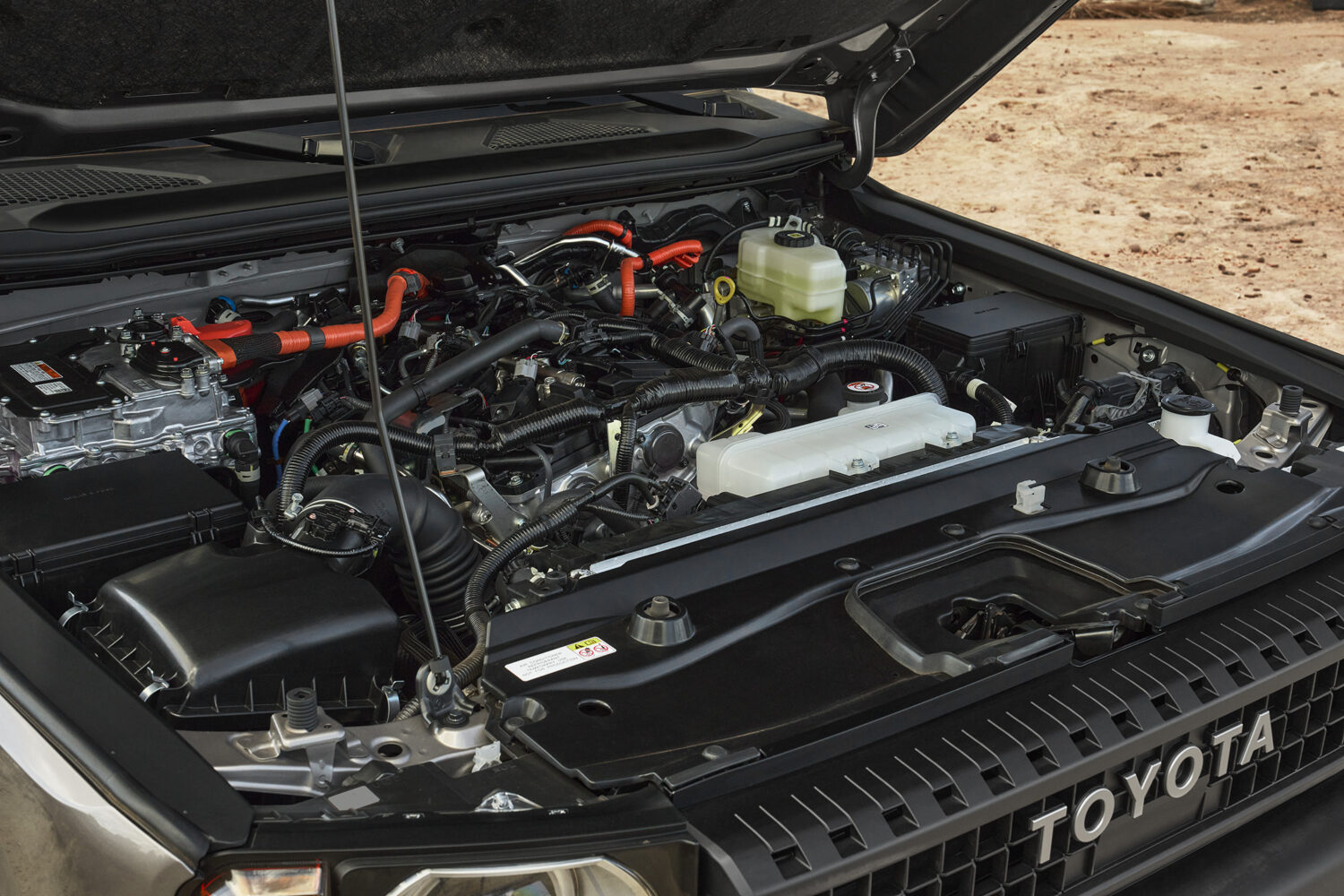
The powertrain produces 326 horsepower, with an EPA combined fuel economy of 23 MPG, equivalent to 10.2L/100 km. Thanks to the high-strength boxed frame and laser blank welding technology of the TNGA-F platform, the new vehicle achieves a towing capacity of 6,000 pounds and optimized weight distribution.
Off-road capability is the core advantage of the Land Cruiser
The Land Cruiser comes standard with center and rear differential locks. The electronic rear differential lock evenly distributes power to the rear wheels, enhancing traction on rough terrain.

The optional front stabilizer bar disconnect mechanism (SDM) is operated via a button to enhance suspension articulation, ensuring front wheels remain grounded.
The Multi-Terrain Select system offers multiple terrain modes such as Mud, Dirt, and Sand, suitable for both 4WD High and 4WD Low modes.

The standard CRAWL Control provides a five-speed low-speed off-road cruise control, and Downhill Assist Control assists with downhill speed management.
Additional traction aids include Vehicle Stability Control (VSC) and an Automatic Limited-Slip Differential (Auto LSD).
The optional Multi-Terrain Monitor (MTM) utilizes cameras to display the vehicle’s surroundings, serving as a “spotter” for technical routes.
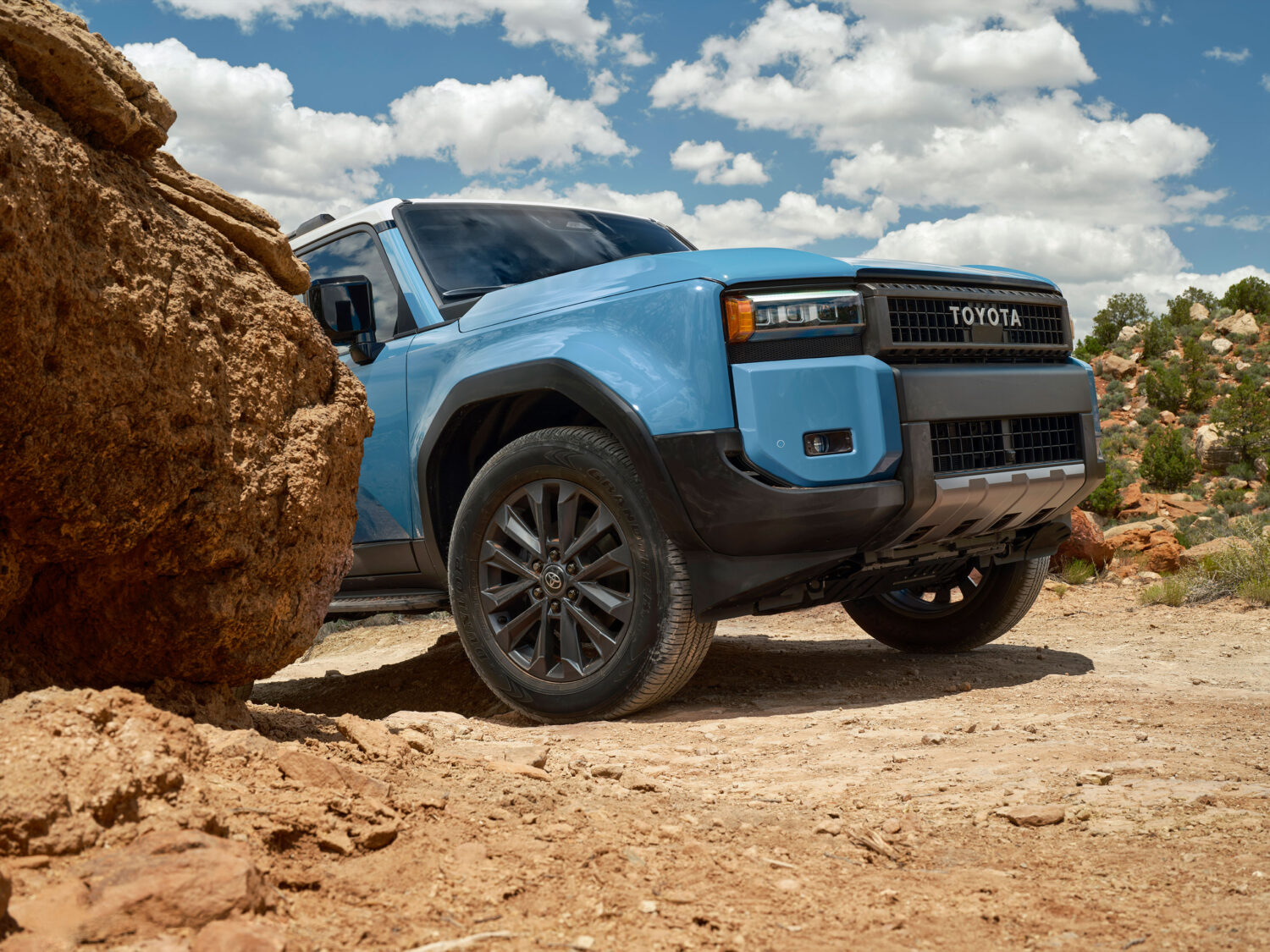
The starting price of the 2026 Land Cruiser is $57,200 (approximately 241,000 MYR), which is $750 higher than the 2025 model.
The new vehicle will continue Land Cruiser’s market positioning as a luxury off-road SUV, providing versatile options for an adventurous lifestyle.
2026 Malaysia EV Road Tax Policy Analysis: Costs and Opportunities After the End of Exemptions
RobertSep 15, 2025, 03:44 PM
As December 31, 2025 approaches, electric vehicle owners in Malaysia will face a significant policy shift — the expiration of the four-year electric vehicle road tax exemption policy.
Starting from January 1, 2026, all electric vehicles will be subject to an annual road tax based on a brand-new power-based tiered tax system.
This change marks the Malaysian electric vehicle market’s transition from a policy-driven phase to a new stage of market-driven growth.
The full road tax exemption has driven Malaysia’s EV market development
Looking back at 2022, the government’s electric vehicle incentive policy sparked market enthusiasm, and the full road tax exemption was undoubtedly one of the most attractive provisions.
According to the Road Transport Department (JPJ), fully electric vehicles during this period could enjoy a 100% road tax exemption, allowing owners of popular models like the Tesla Model 3 to save thousands of ringgit annually on usage costs.
This policy effectively promoted the adoption of electric vehicles in Malaysia. As of 2025, the nationwide electric vehicle ownership has more than tripled compared to 2022.
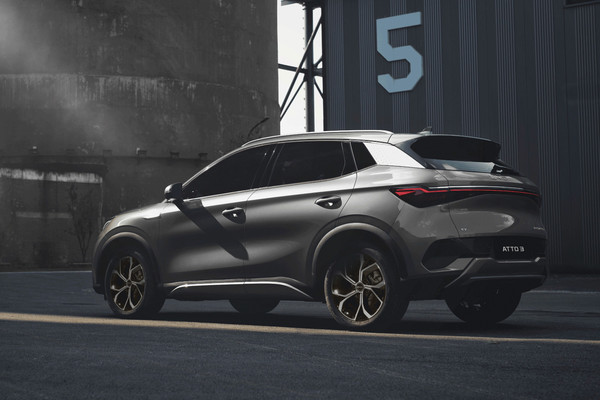
The new tax system to be implemented in 2026 adopts a tiered calculation method based on motor power (kW), which is more detailed and reasonable compared to the 2019 old system. According to the scheme announced by the Ministry of Transport, the new tax system divides electric vehicles into multiple power ranges: the base rate for the 100-150kW range is RM180; while high-performance models exceeding 150kW will be subject to higher tiered rates. Taking the popular BYD Atto 3 (150kW) as an example, under the new system its annual road tax is RM180, compared to RM1,024 under the 2019 framework. This policy significantly reduces the financial burden on vehicle owners.
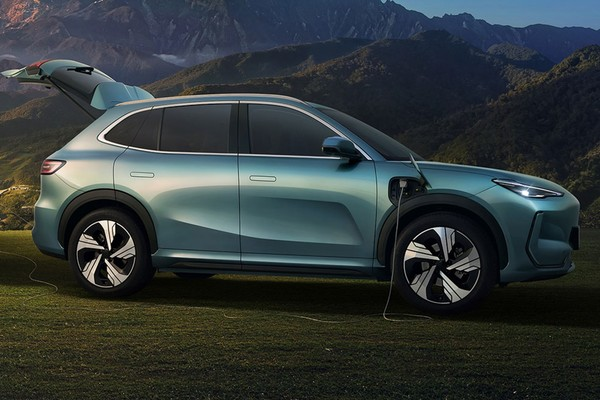
The new tax system means the cost structure of owning an electric vehicle will change
Taking the Tesla Model 3 (RWD, 208kW) as an example, starting in 2026 an annual road tax of approximately 274 MYR will be required. Although the era of zero cost has ended, it still has significant advantages compared to fuel vehicles of the same class.
It is worth noting that the tax burden varies significantly between different types of electric vehicles: entry-level electric cars with a power output of less than 100kW only need to pay 70 MYR annually, while luxury models with over 150kW, such as the Mercedes EQC 400, will be charged 4503 MYR. This reflects the policy’s inclination to support mass-market electric vehicles.
The introduction of the new policy has sparked diverse reactions
The Malaysian Automotive Association (MAA) noted that although road tax exemptions have ended, the government has extended import and excise tax relief for electric vehicles to 2027, which will continue to lower the barrier to purchase.
Local dealers stated that consumers are rushing to purchase electric vehicles before the end of 2025 to lock in the final wave of exemption benefits, and a temporary sales peak is expected in the fourth quarter.
Meanwhile, Chinese brands such as BYD and Neta are accelerating localized assembly in Malaysia to offset the impact of increased road taxes by reducing manufacturing costs.
Rapid construction of charging infrastructure alleviates concerns about EV operating costs
According to the latest data from 2025, Malaysia has built over 2,000 public charging stations, with fast-charging stations accounting for 15%. The charging network coverage in highway service areas exceeds 80%. Operators such as Tenaga Nasional Berhad (TNB) and Gentari are actively deploying smart charging networks, reducing charging times to 15-30 minutes and significantly enhancing the convenience of electric vehicle use.
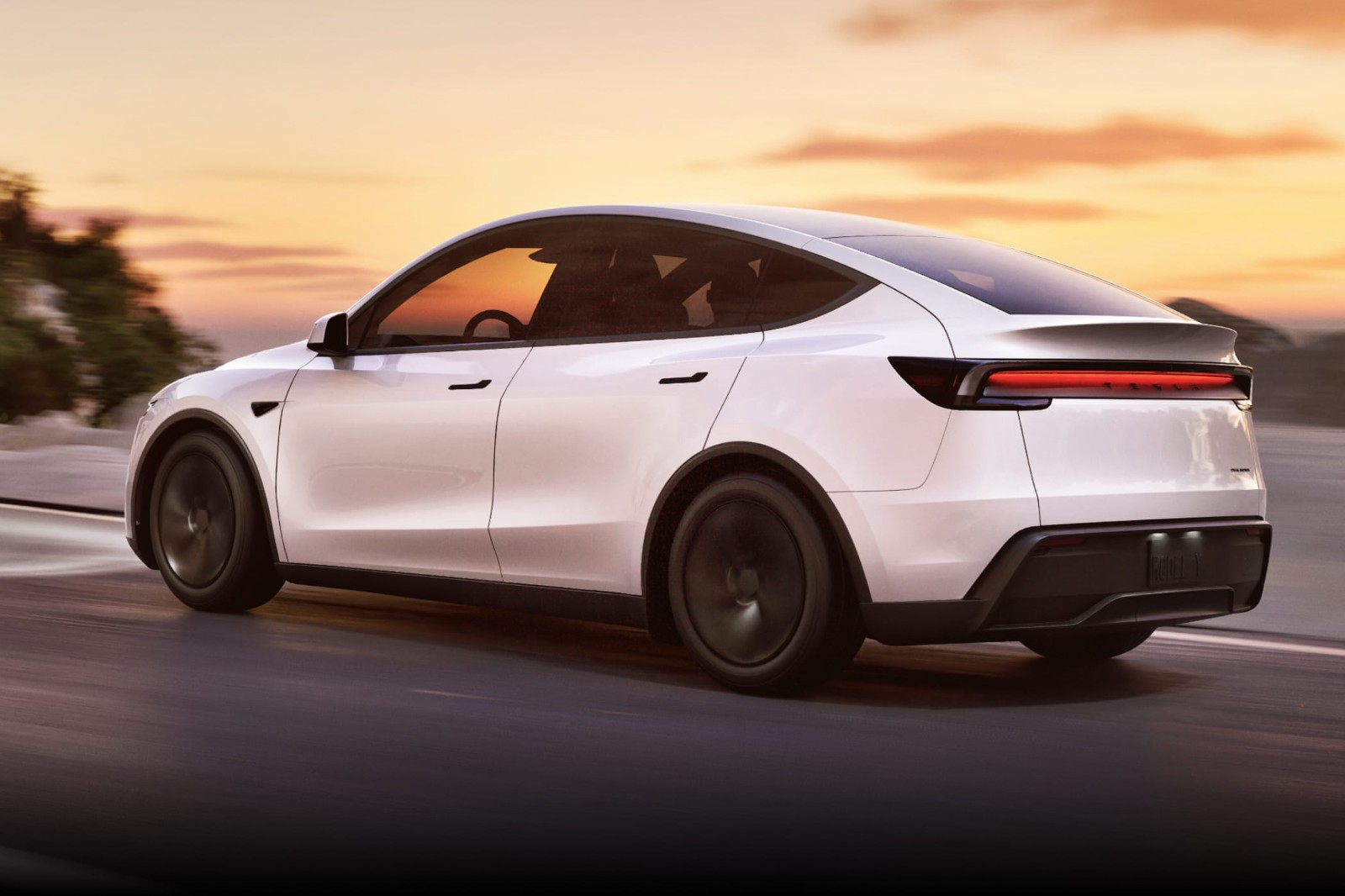
For consumers who are considering purchasing an electric vehicle, it is recommended to take a long-term view from the perspective of “total cost of ownership”.
Although road tax expenses have increased, the lower maintenance costs and energy expenses of electric vehicles remain advantageous. Calculating based on 15,000 kilometers of annual travel, the energy cost of a mid-sized electric vehicle is approximately 1,200 MYR, which is only one-third of the cost for a fuel vehicle of the same class.
The government offers low-interest loans to consumers purchasing EVs
In addition, the government has introduced the “Green Financing Fund” to provide low-interest loans for electric vehicle purchases, further reducing the financial burden of buying a car.
The implementation of the new road tax policy in 2026 marks a more mature development stage of Malaysia’s electric vehicle market.
The policy design continues to support the promotion of electric vehicles while guiding rational consumption through a differentiated tax system. For consumers, understanding the new tax structure and selecting the appropriate model based on their usage needs is crucial.
With the improvement of the charging network and technological advancements, the long-term development prospects of electric vehicles in Malaysia remain bright, and the slight adjustment in road tax will not change the green transition trend in the transportation sector.