



2026 Toyota GR Corolla launched in Japan, with improved cooling and body rigidity
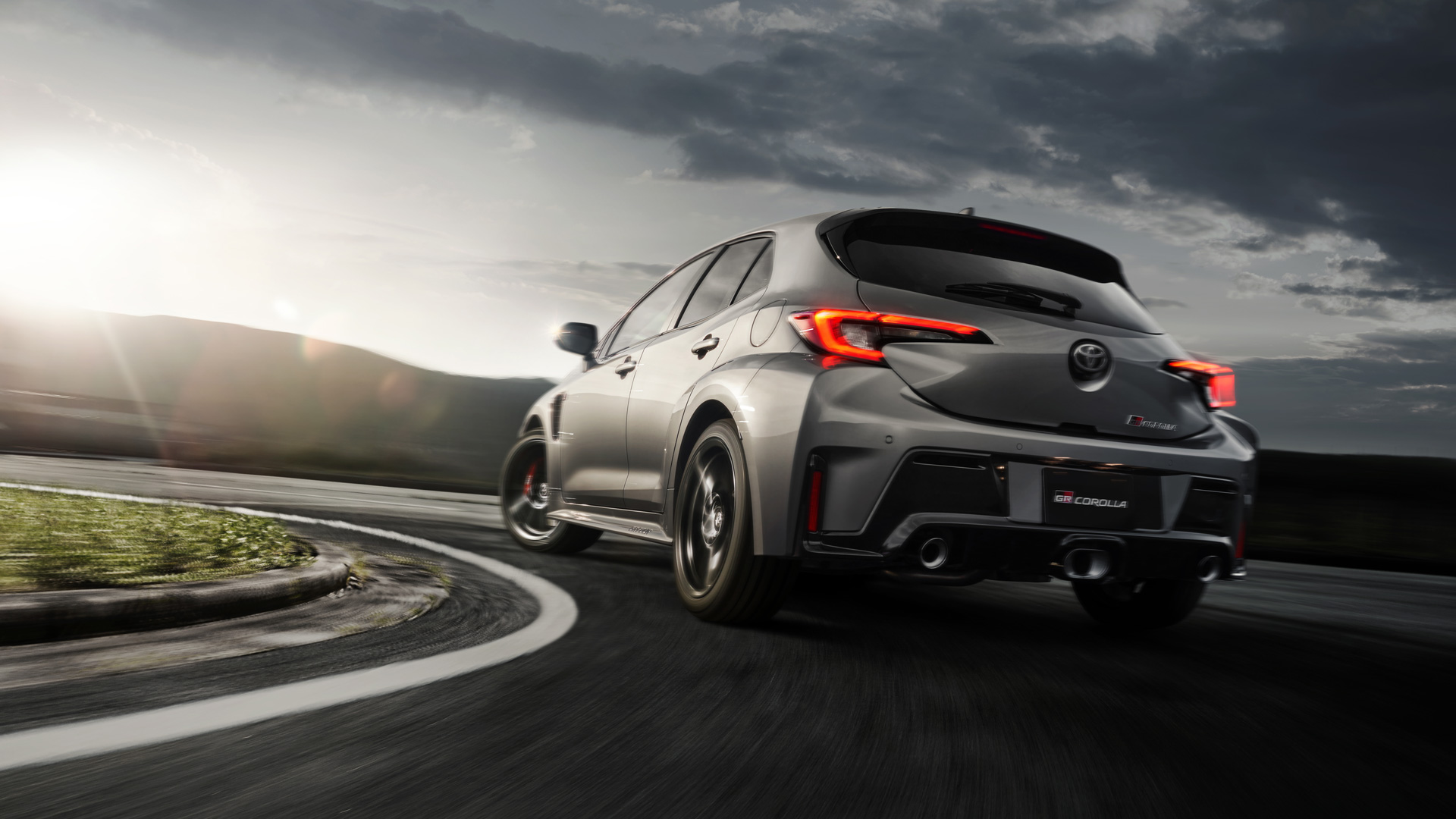
[PCauto] TOYOTA GAZOO Racing (TGR) officially unveiled the 2026 GR Corolla recently and announced that orders are now being accepted at Toyota dealerships across Japan. The new car will go on sale starting November 3.
The upgrades for the 2026 GR Corolla are primarily based on experience from the Japanese Super Taikyu Series, focusing on enhancing body rigidity, optimizing the cooling system, and improving audio experiences, aiming to provide drivers with superior performance and daily practicality.
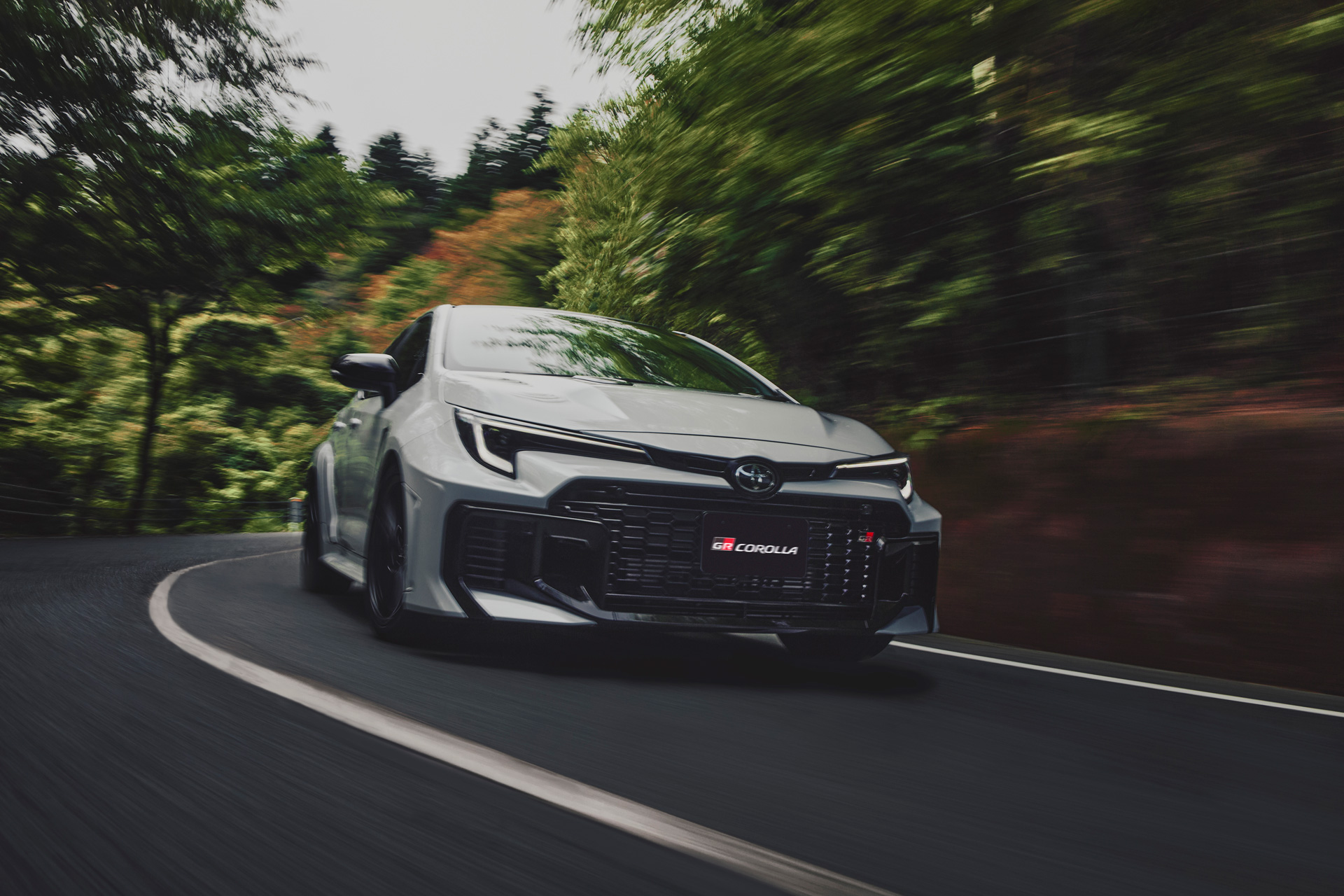
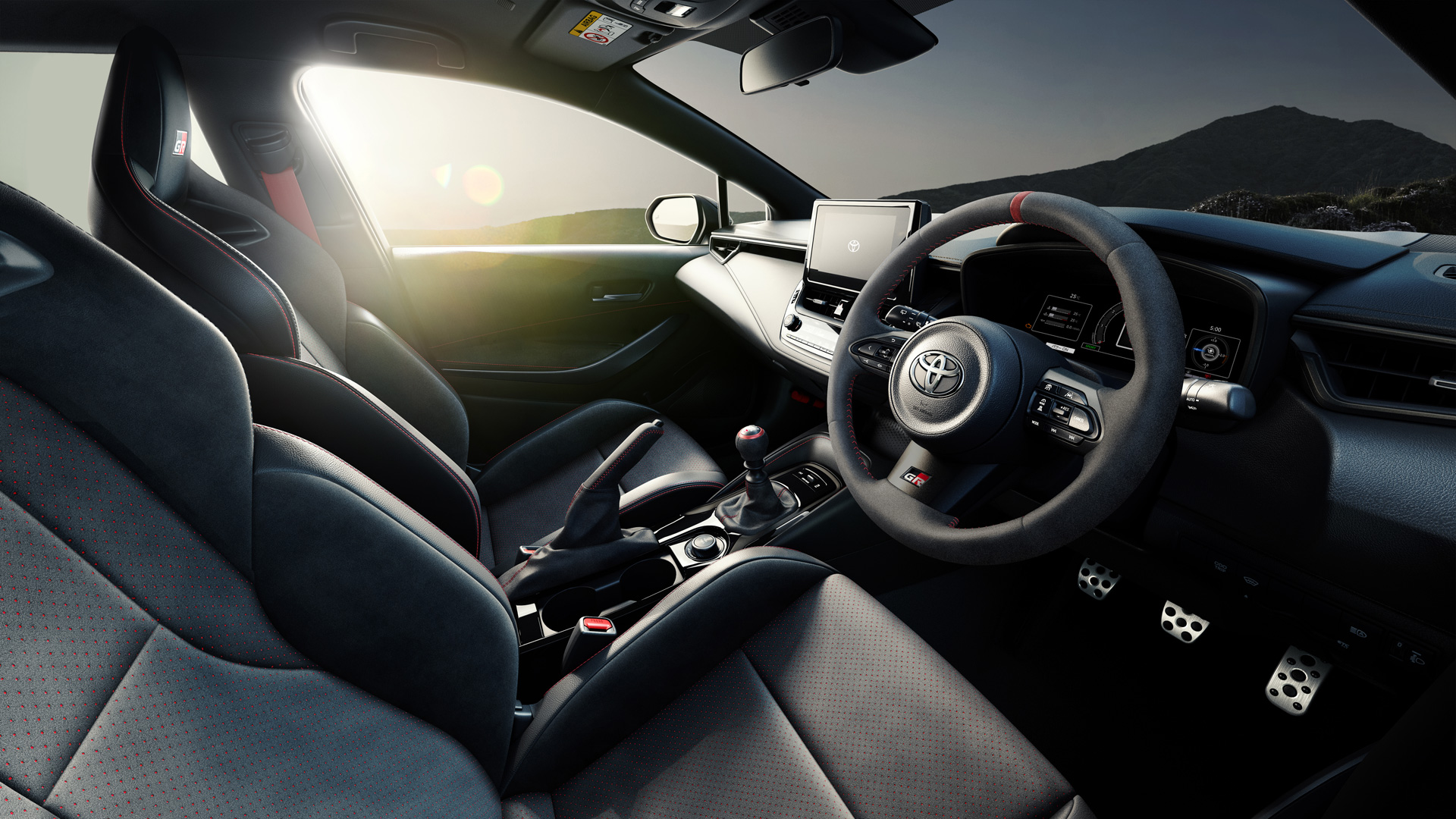
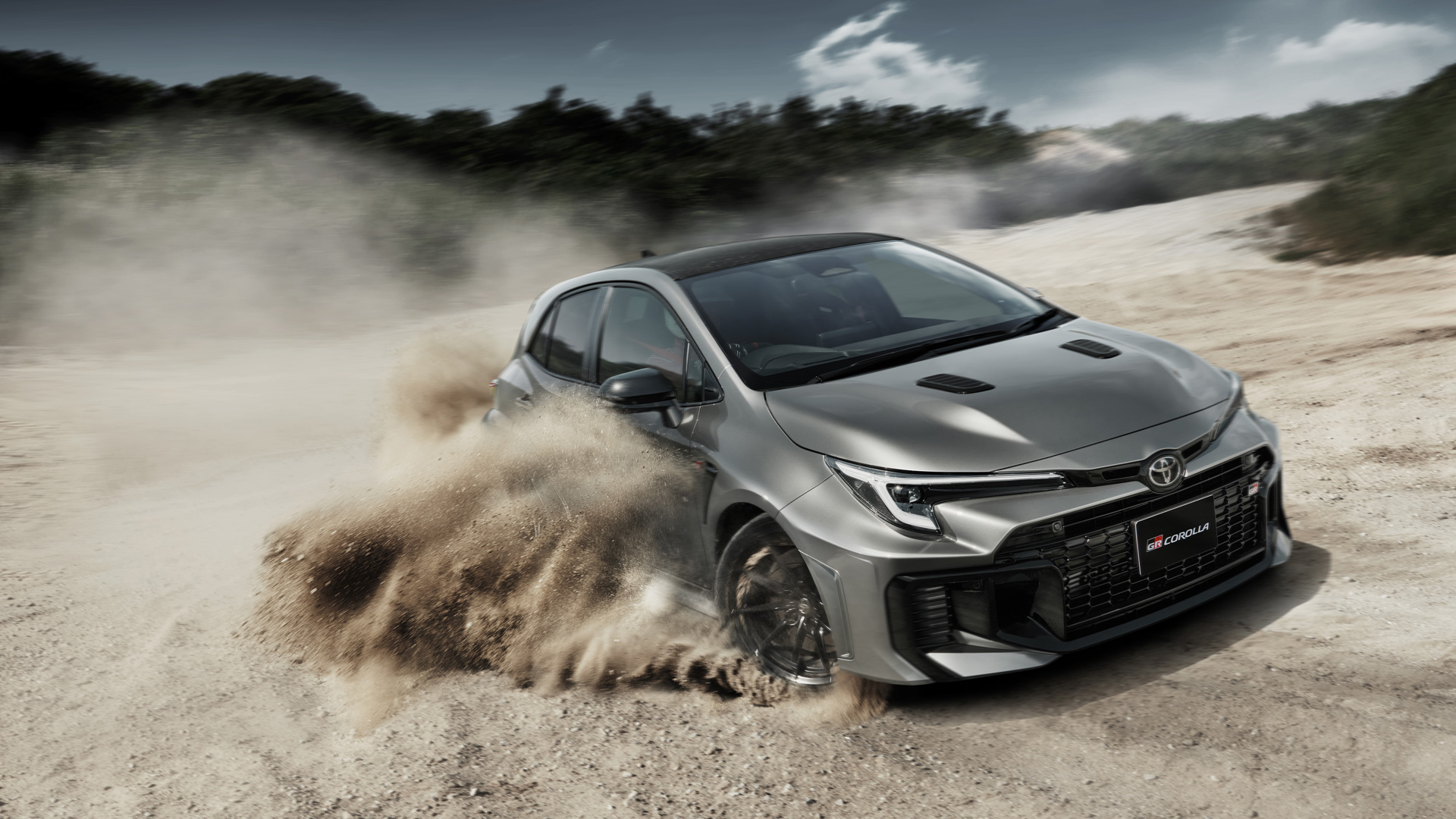
The upgraded GR Corolla not only performs better for regular urban driving but also handles high-intensity track environments such as the Nürburgring, embodying TGR’s philosophy of utilizing race technologies to benefit civilian vehicles.
New car enhances body rigidity by extending structural adhesive length
The total amount of structural adhesive in the 2026 GR Corolla has been increased from the current 18.8 meters to 32.7 meters, with an additional 13.9 meters primarily applied to the front body, floor, and rear wheel arch areas.
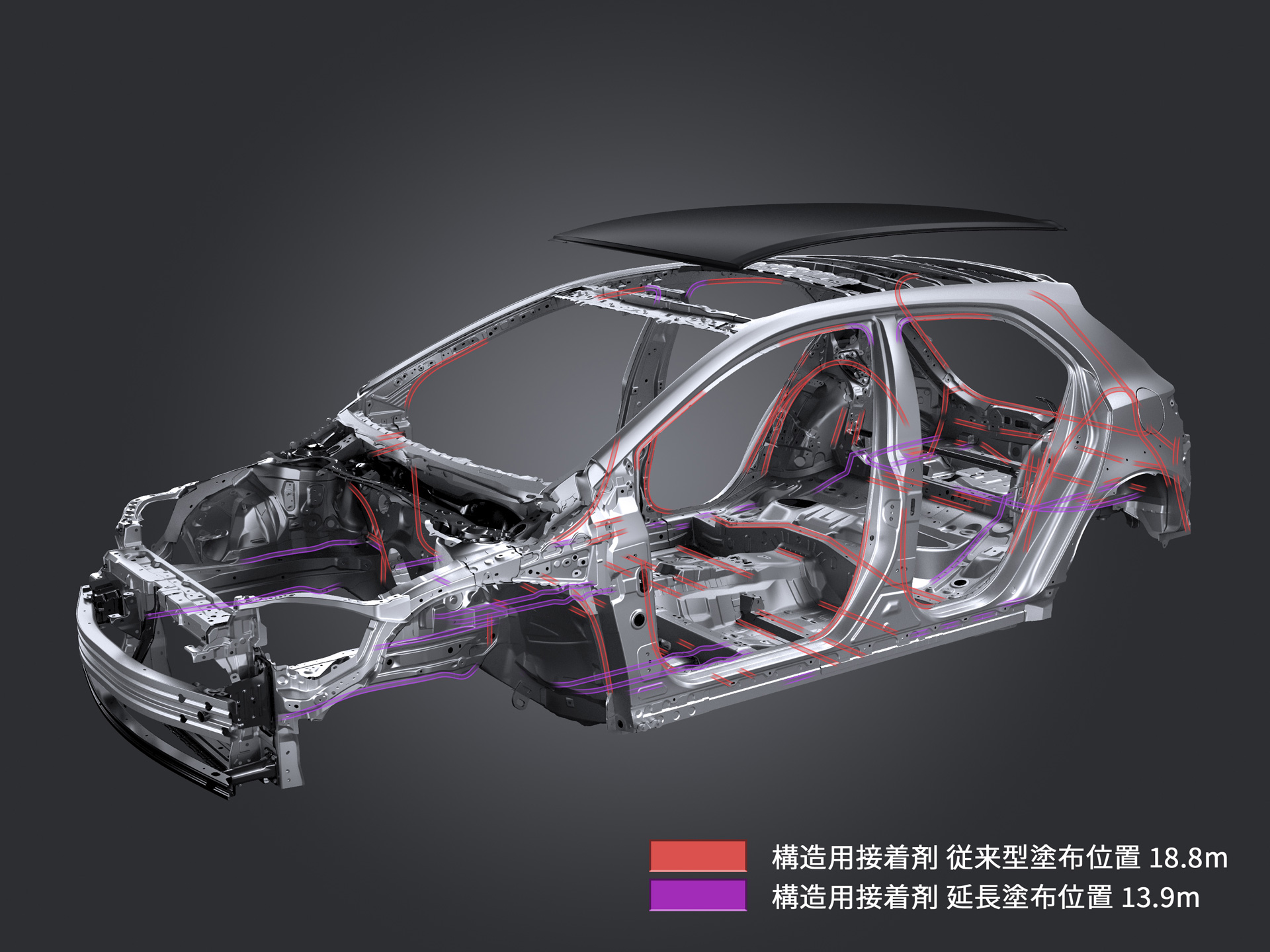
This improvement significantly enhances body torsional rigidity, with an estimated increase of 5% to 10%, thereby reducing front-end sliding and tire wear during high-speed cornering or when handling high lateral and vertical G-forces on overseas tracks, enhancing the driver’s sense of unity with the vehicle.
Weight increase is minimized to ensure the overall balance of the vehicle is not compromised.
2026 GR Corolla cooling system also receives significant upgrades
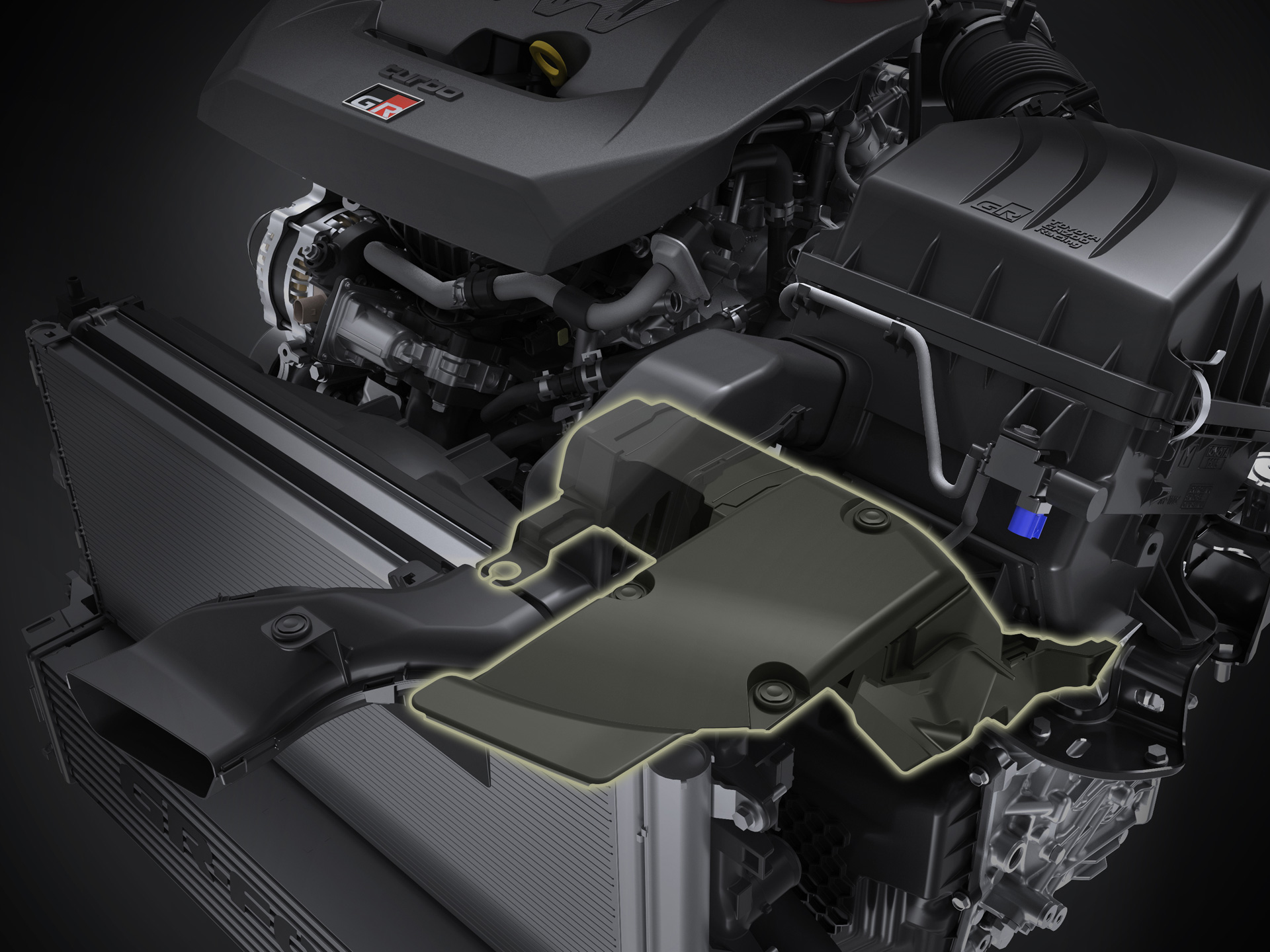
The new car adds a cooling duct integrated into the secondary intake pipe (located below the air filter), directly introducing outside air from the front intake grille.
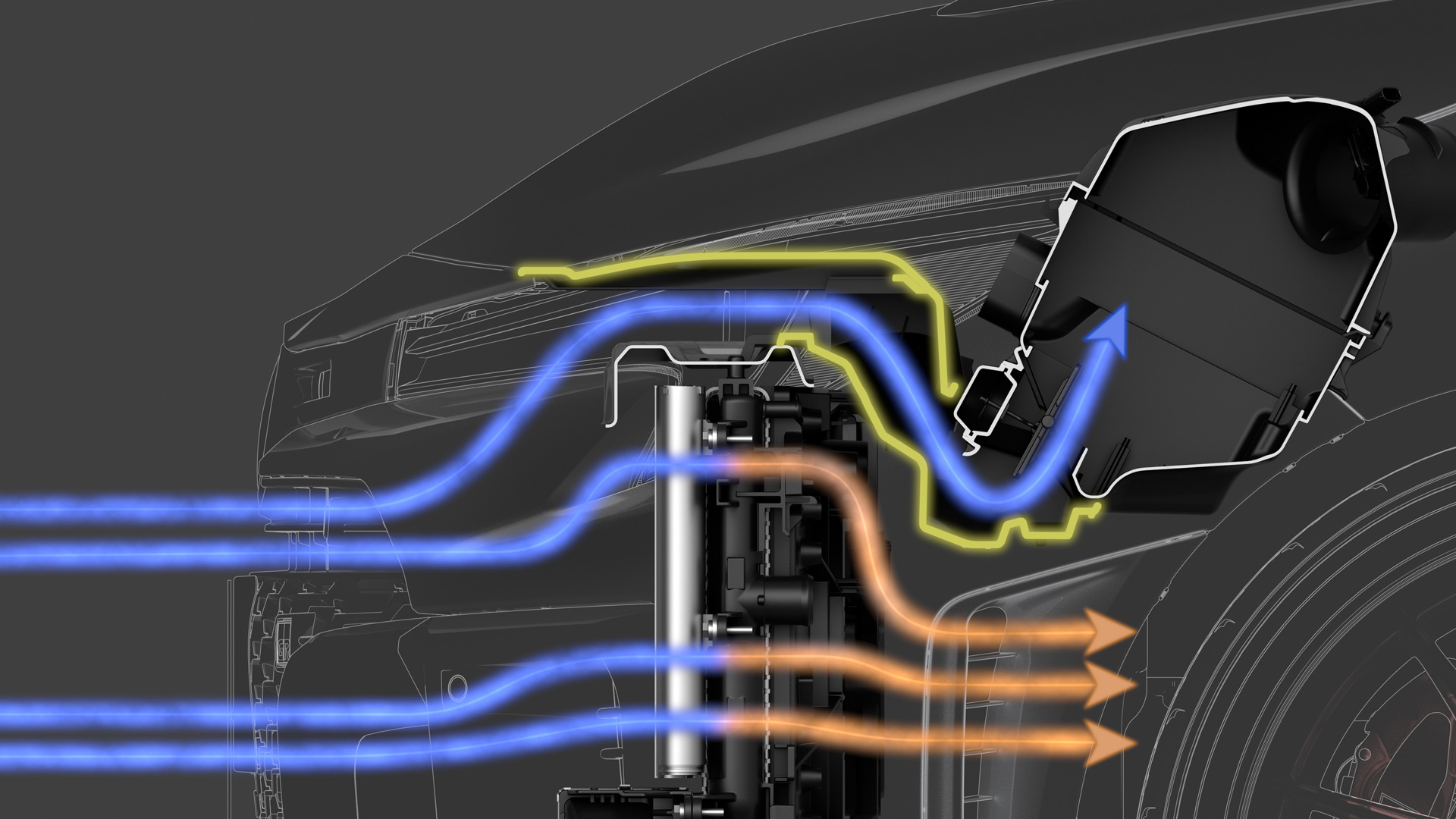
This design activates at high engine speeds, reducing intake temperatures by 5°C to 10°C and increasing air density by approximately 1% to 2%.
The new cooling system ensures that the GR Corolla delivers more stable engine performance during prolonged full-throttle driving (such as track days or sustained high-load driving), reducing heat soak and turbo lag, and allowing the G16E-GTS 1.6L turbocharged 3-cylinder engine to fully unleash its potential of 304 horsepower and 400 N·m torque.
The number of speakers in the 2026 GR Corolla has been increased
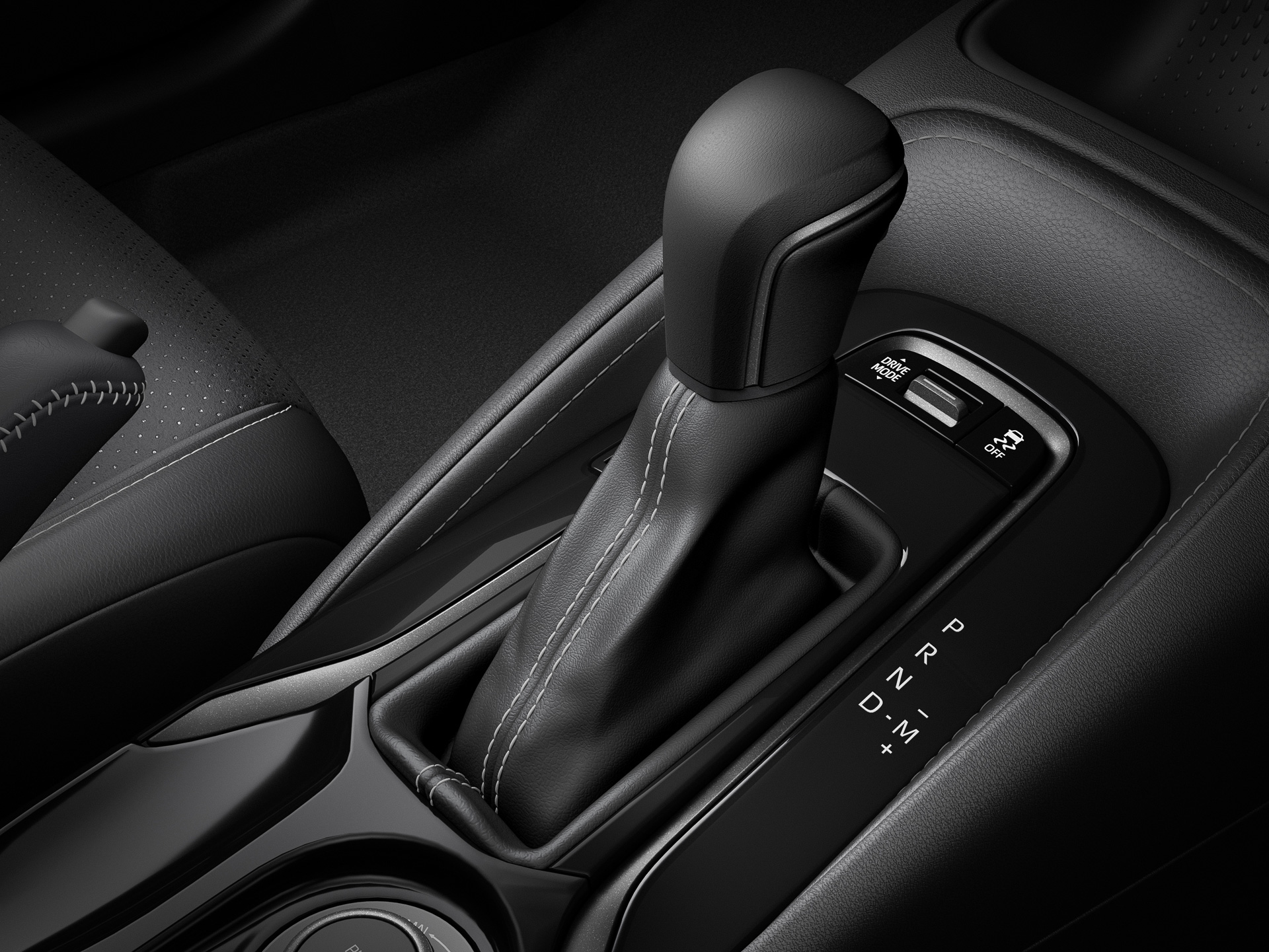
In terms of the audio system, the JBL Premium Sound System (available as a factory-installed option) has been enhanced.
A subwoofer has been added to the trunk, increasing the total number of speakers from 8 to 9, improving audio clarity and bass performance.
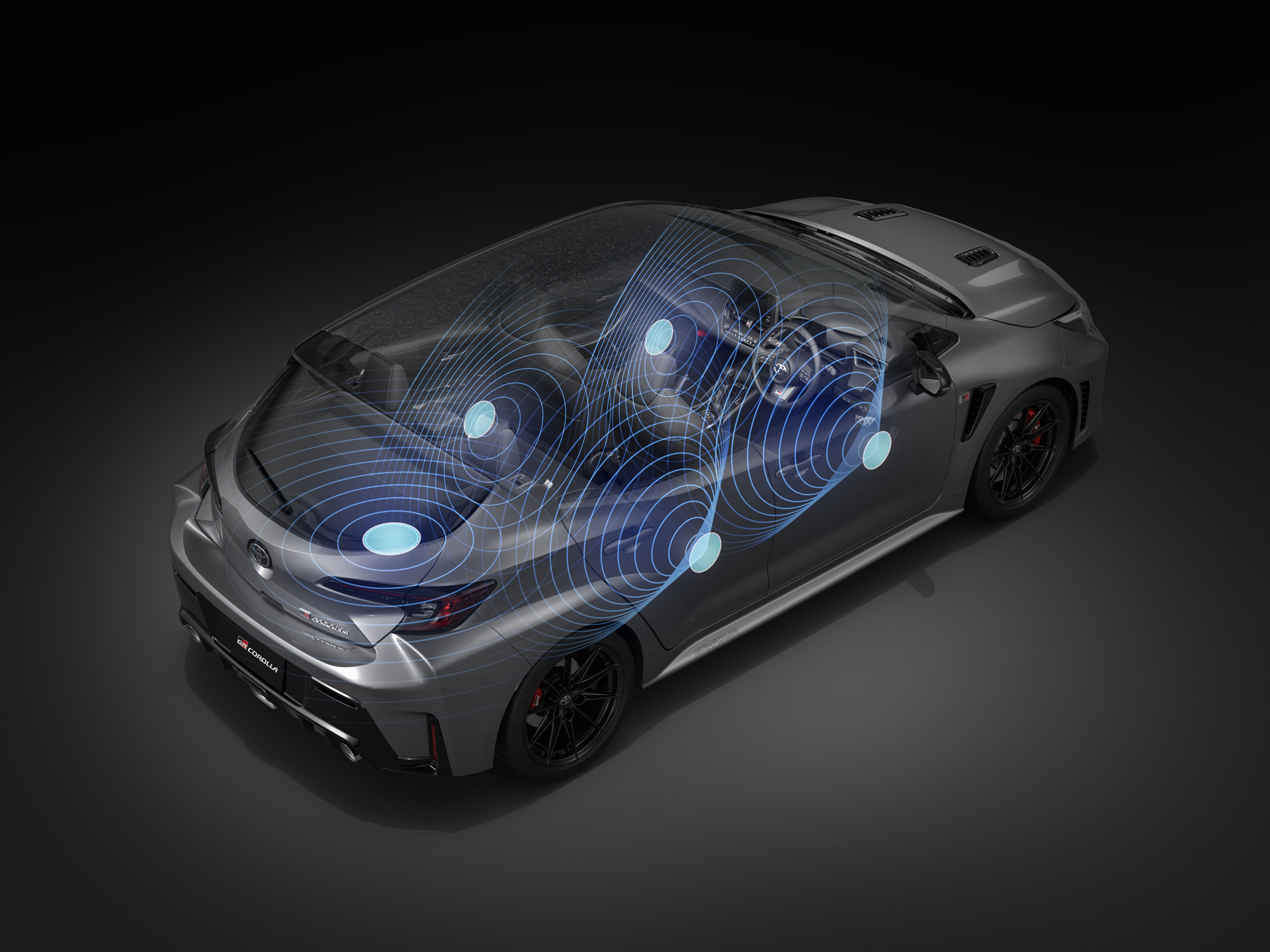
Additionally, the system is equipped with Active Sound Control (ASC), which can emit sporty engine tones calibrated to match acceleration, deceleration, and shifting actions through the vehicle’s speakers, including simulated burbling sounds during gear shifts. ASC offers three sound modes that are linked to the driving mode, and it also supports volume adjustment or the option to mute.
In addition, the optimized Active Noise Control (ANC) reduces intrusive engine noise, enhancing everyday driving comfort.
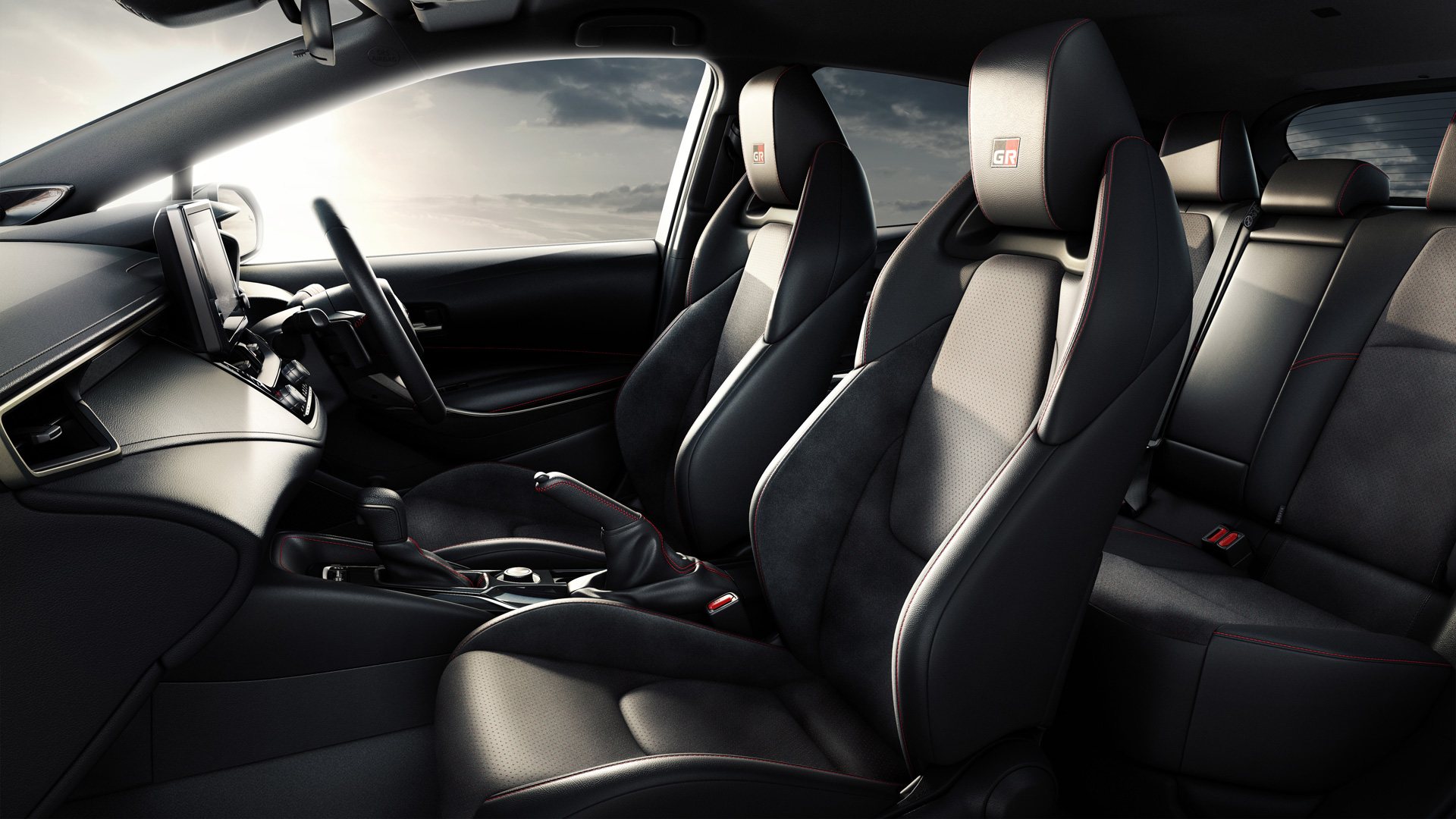
The new car’s powertrain remains unchanged
The 2026 GR Corolla continues to be powered by a 1.6-liter turbocharged three-cylinder engine, delivering a maximum output of 304 horsepower (224kW) and 400N·m of torque. It is paired with either a 6-speed manual or 8-speed automatic transmission, along with the GR-FOUR all-wheel-drive system.
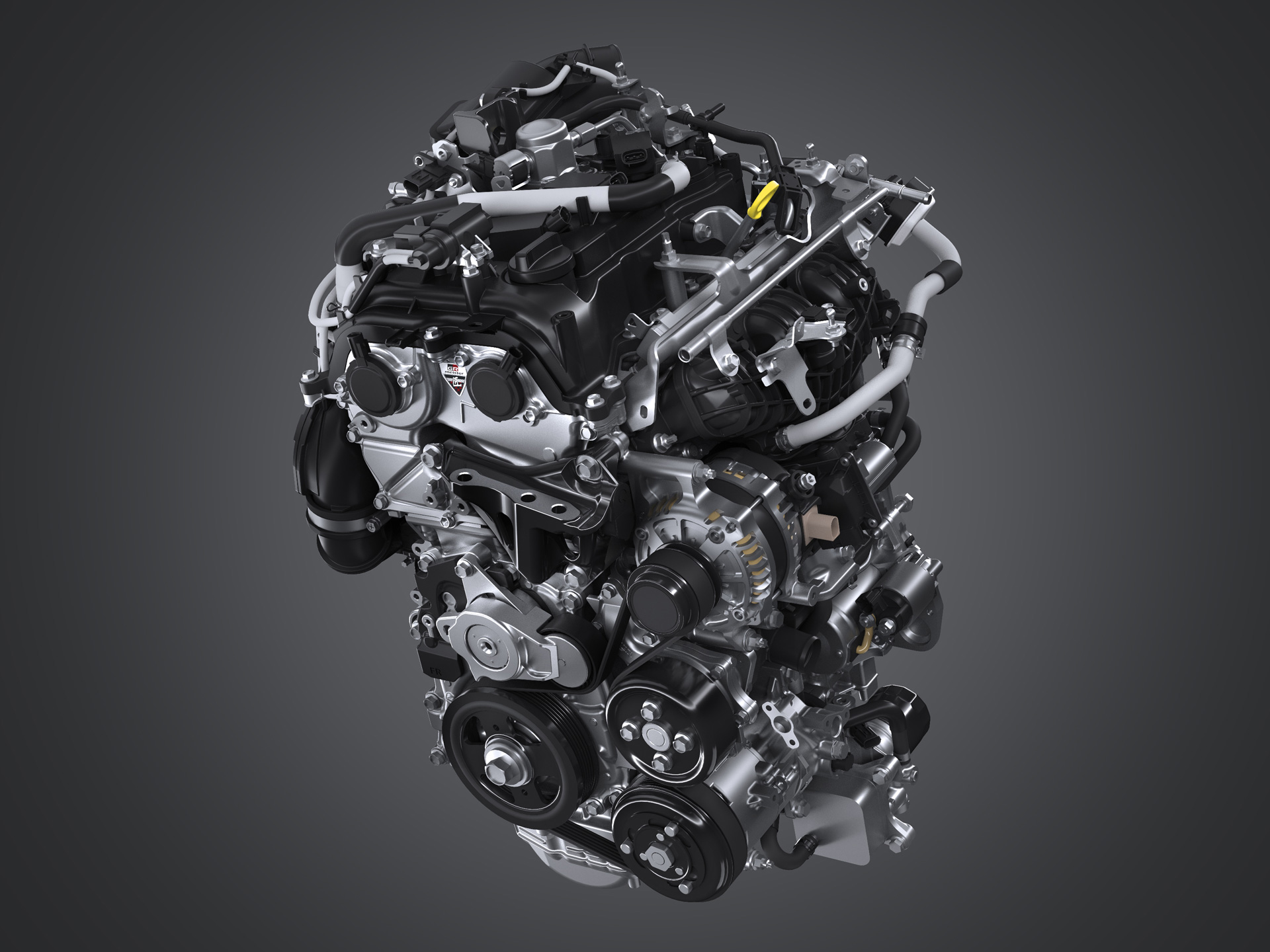
Notably, TGR has introduced a software upgrade program for existing owners, which is expected to be available in the spring of 2026. This upgrade can increase the maximum torque of the 2023 GR Corolla by 30N·m to reach 400N·m.
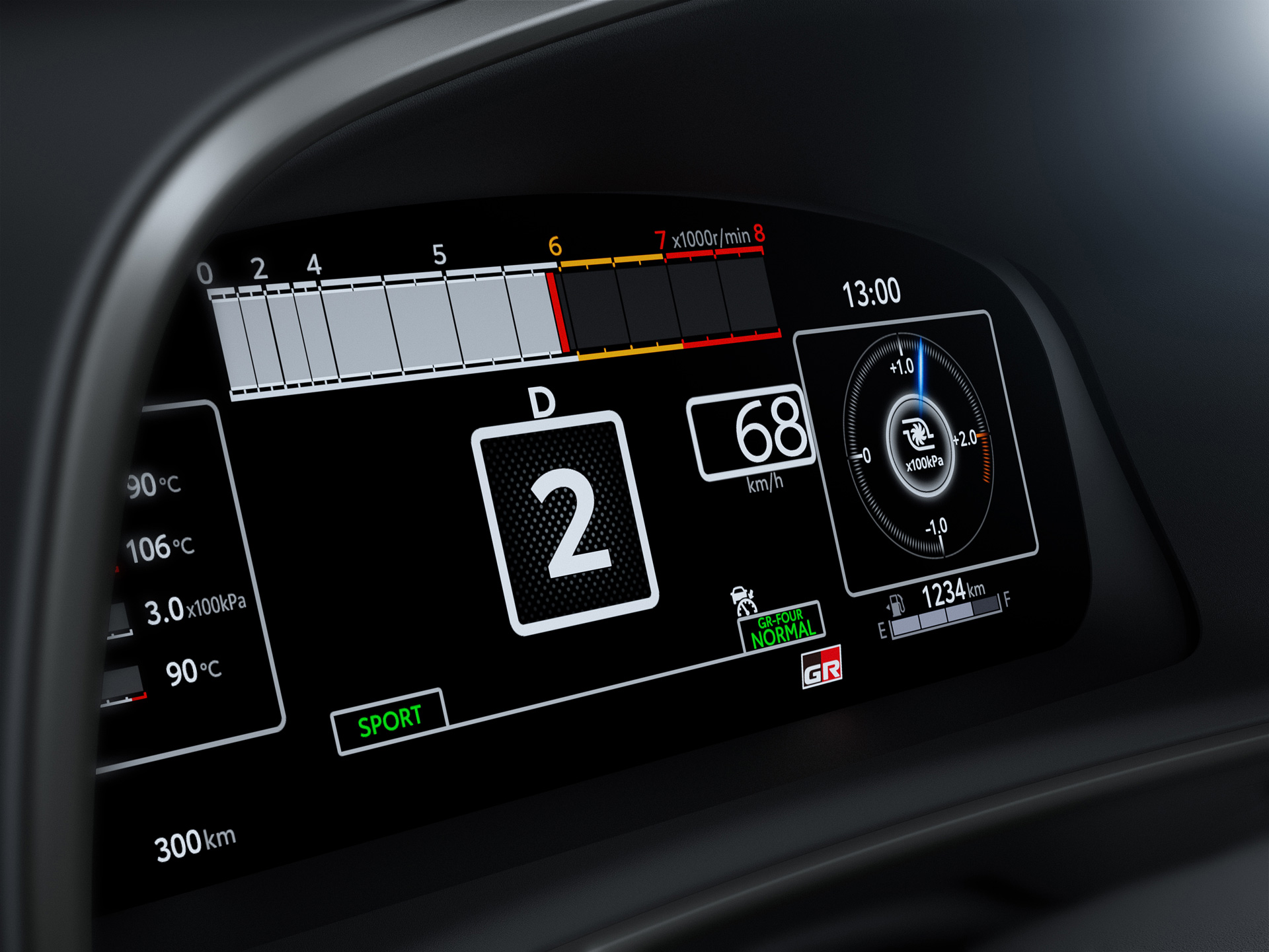
At the same time, the all-wheel-drive control system is adjusted: the original “REAR” mode with a 30:70 front-to-rear power distribution is replaced with “GRAVEL” mode at 50:50, and the “TRACK” mode becomes adjustable (ranging from 60:40 to 30:70).
The 2026 GR Corolla maintains its price in the Japanese market
The 2026 GR Corolla manual version is priced at 5,680,000 JPY (approximately 164,000 MYR);
The 2026 GR Corolla automatic version is priced at 5,980,000 JPY (approximately 171,000 MYR).
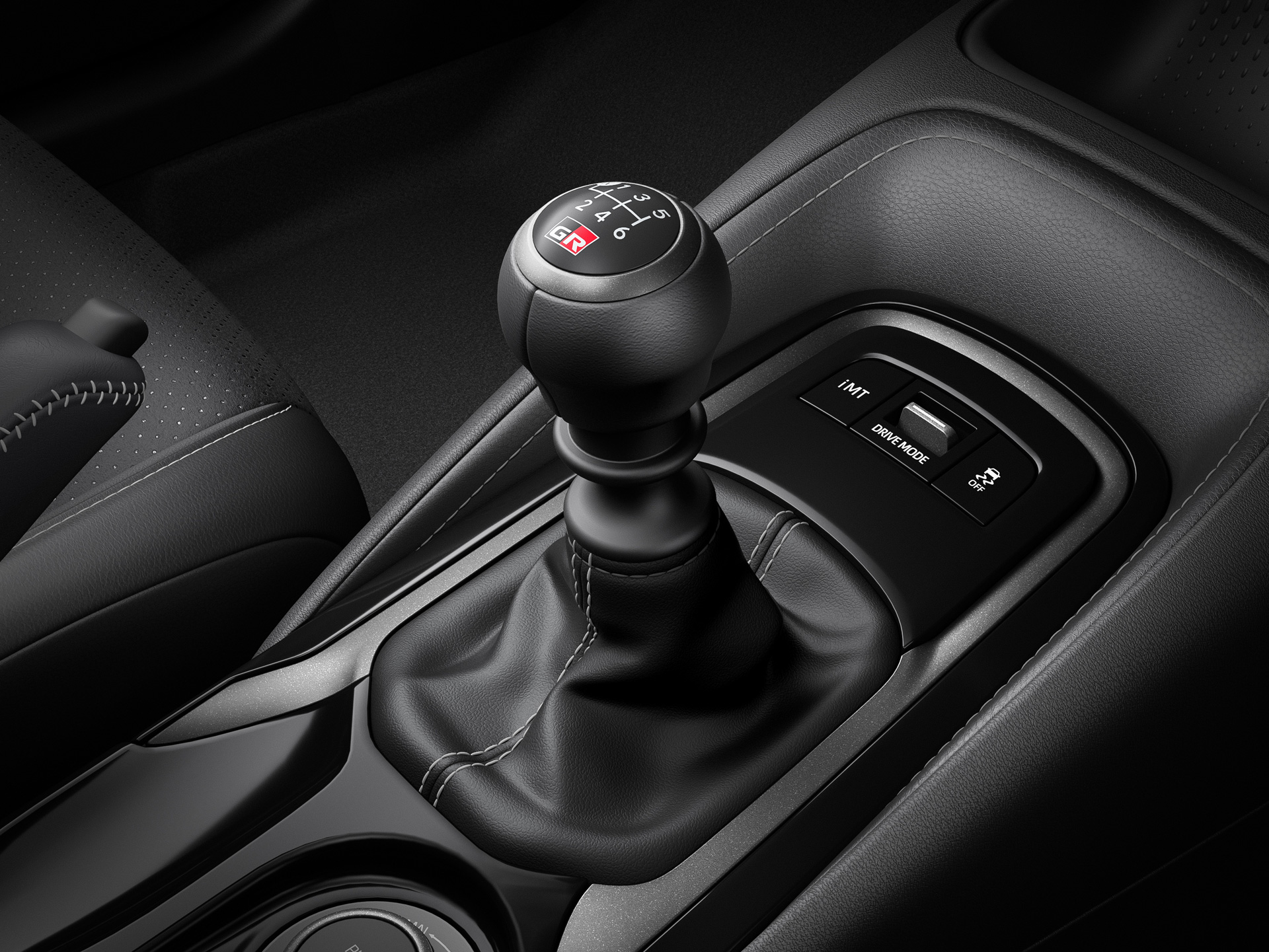
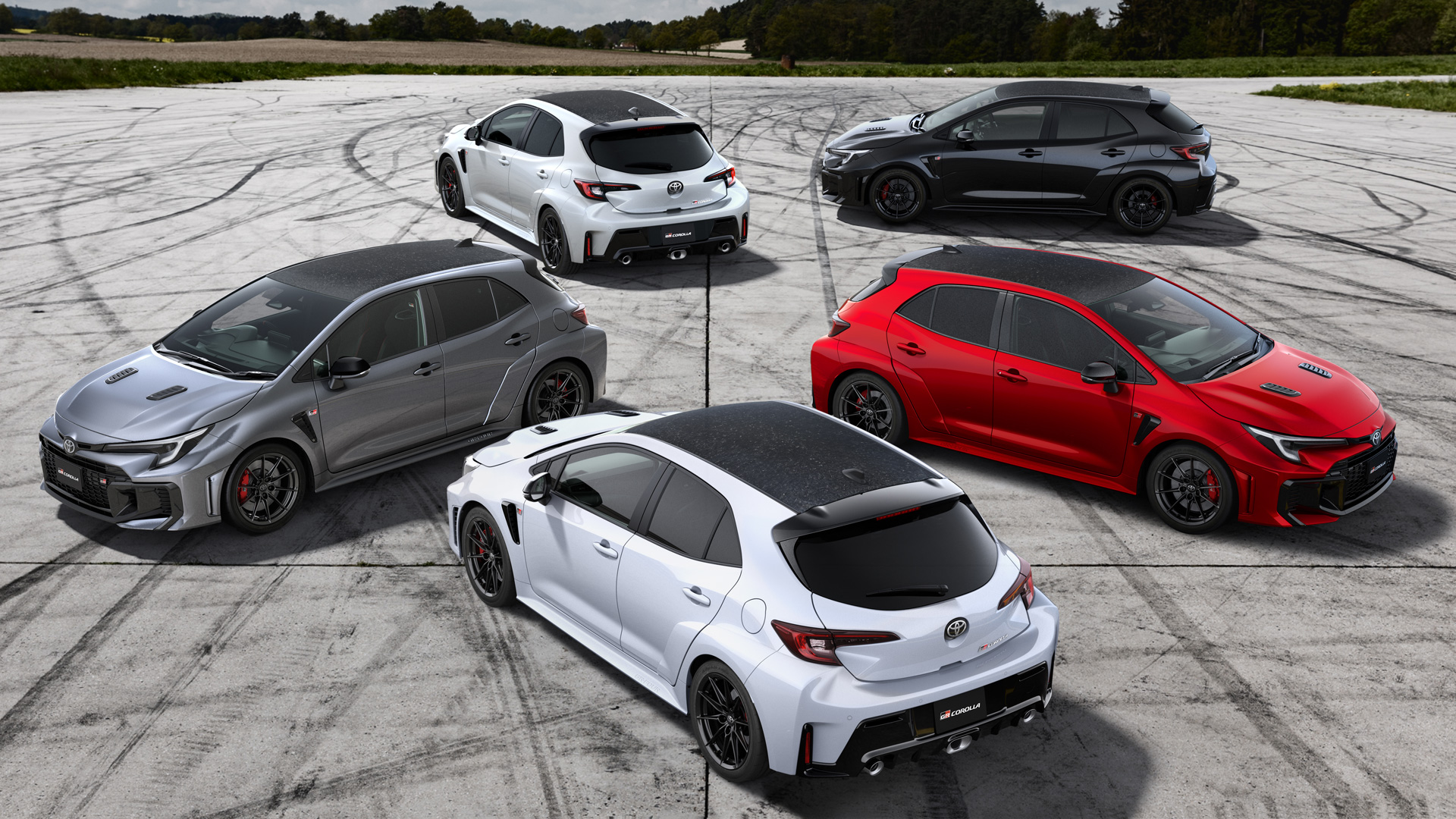
The upgrades to the GR Corolla have solidified its position in the performance car market, competing with high-end models such as the AMG A 45.
Although there are rumors that a high-performance GRMN version might be introduced, featuring carbon fiber components and Michelin CUP tires, the official release plan has not yet been confirmed.
6 Key Tips to Prevent Car Fires in Malaysia’s Hot Climate
WilliamSep 19, 2025, 11:18 AM
In Malaysia, temperatures often exceed 35°C, and according to the Fire and Rescue Department, since 2023, there have already been 27 fire incidents involving electric and hybrid vehicles.
For drivers, preventing car fires poses a unique challenge — extreme heat, congested traffic in cities like Kuala Lumpur, and common local driving habits collectively form risks that every car owner needs to be vigilant about. Here are 6 expert-verified practical tips to help you ensure vehicle safety.

1. Protect the battery from tropical heat
Extreme heat can accelerate battery aging, leading to chemical buildup inside the battery and electrolyte evaporation, thereby increasing the risk of fire.
It is recommended to check the battery terminals monthly. If green corrosion is found, it should be dealt with immediately — this is a clear sign of battery issues in local climates. Automotive experts remind: “High temperatures can cause green chemical deposits to accumulate on the battery top, which may spark fires.”
You can clean the terminals with a baking soda solution and ensure the battery is securely fixed to avoid damage from vibrations.
Whenever possible, park the vehicle in a shaded area or use a car cover to block sunlight. Especially during midday heatwaves, extra effort should be made to protect the battery from direct sunlight.

2. Regularly check the fuel lines
Fuel system leaks are the leading cause of car fires in Malaysia, as the local high temperatures accelerate the aging and deterioration of rubber hoses.
It is recommended to have a qualified technician inspect the fuel lines every 6 months, particularly focusing on connectors and curved sections.
You can routinely check for damp traces under the vehicle or the presence of strong fuel odors.
Automobile safety experts point out: “Fuel system leaks are often considered the most common cause of car fires.” In addition, avoid using cheap aftermarket fuel components and opt for OEM parts that are more resistant to tropical climates.
3. Avoid Illegal Vehicle Modifications
Statistics show that about 60% of car fire incidents are related to improper modifications. Popular modifications among local drivers, such as LED light installations and sound system upgrades, often involve unauthorized electrical circuit changes, which pose serious fire hazards.
“Illegal modifications pose many dangers; changes to electrical circuits easily create fire hazards leading to vehicle self-ignition.”
If modification is necessary, always choose a repair shop certified by the Road Transport Department (JPJ) and ensure that modification records are complete to protect your insurance rights.
4. Remove Flammable Items from the Car
Do not leave lighters, spray cans, or plastic water bottles in a parked car.
Strong sunlight can focus through the glass, turning water bottles into “mini magnifying glasses,” potentially igniting seat fabric. Alcohol-based deodorants and perfumes may explode at temperatures exceeding 40°C, and disposable lighters can rupture after just 30 minutes in direct sunlight.
It is recommended to cultivate a habit: Before exiting the vehicle, clear the dashboard and seats. Especially when parking in the afternoon, thoroughly remove all flammable items.
5. Maintain the Cooling System and Tires
Malaysia’s road surface temperatures are extremely high, placing a significant burden on tires and the cooling system.
It is recommended to check tire pressure monthly when the tires are cool (high temperatures can significantly increase tire pressure).
Experts vividly describe: “Under direct sunlight, our road surface temperature can get hot enough to cook rice on it.” At the same time, ensure that the radiator coolant is sufficient and the cooling fan functions properly.
For older vehicles, it is advisable to clean the cooling system annually to avoid overheating breakdowns while driving on congested roads.
6. Equip and Learn to Use Fire Safety Tools
The Fire and Rescue Department recommends that vehicles should always be equipped with fire blankets (currently distributed at all fire stations nationwide) and appropriate fire extinguishers.
For traditional fuel vehicles, a 1kg ABC dry powder extinguisher is sufficient, while electric vehicle owners should opt for dedicated fire extinguishers.
More importantly, learn to use these tools in advance to avoid being caught off guard in emergencies. Malaysian Deputy Minister Datuk Aiman Athirah Sabu stated: “Using a fire blanket is one of the most effective methods to extinguish electric vehicle fires.”
By following these tips tailored to Malaysia’s local conditions, drivers can significantly reduce the risk of car fires.
Please remember, regular maintenance adjusted to the local climate is the best defense against fires.
China’s cumulative sales of electric vehicles have exceeded 40 million, with production and sales ranking first in the world for 10 consecutive years.
WilliamSep 19, 2025, 10:43 AM
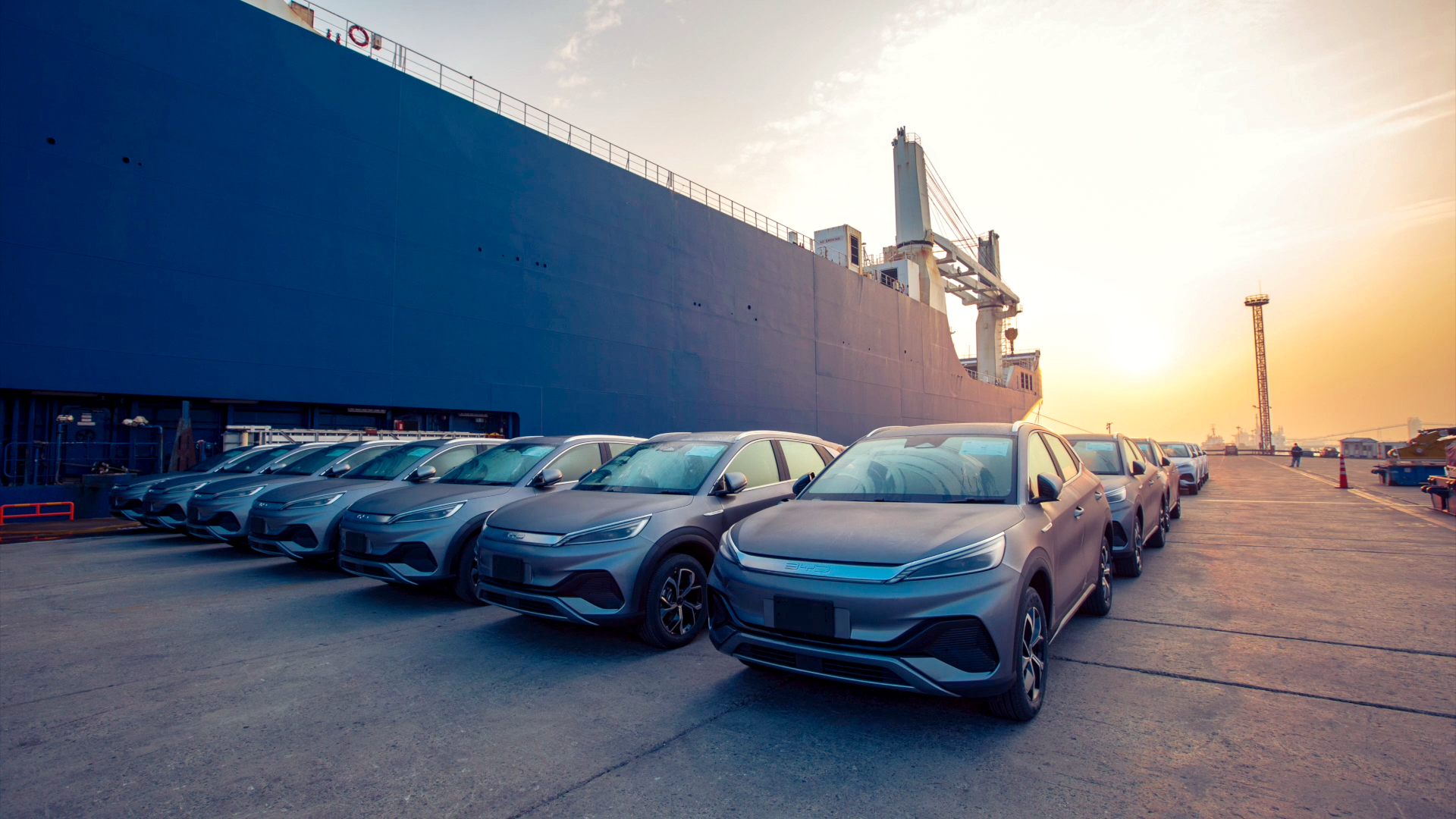
[PCauto] On September 18, 2025, China’s Ministry of Science and Technology (MOST) announced that the cumulative sales of electric vehicles in China had exceeded 40 million units, with production and sales ranking first in the world for 10 consecutive years.
The Chinese Electric Vehicle Market Continues to Grow Rapidly
According to the latest data, in the first eight months of the year, the production and sales of electric vehicles in China reached 9.625 million and 9.62 million units respectively, with year-on-year growth rates exceeding 36%.
The market penetration rate of electric vehicles reached 44.3% in the first half of 2025, setting a record high for the same period, while the penetration rate for the single month of August climbed to 52.2%. It is expected that the annual penetration rate will surpass 50% for the first time.
Meanwhile, the Chinese government stated that in 2025, total annual vehicle sales are expected to reach approximately 32.3 million units, with electric vehicle sales of around 15.5 million units, representing a year-on-year increase of about 20%, while automobile exports continue to grow steadily.
China’s Electric Vehicle Technology is Rapidly Developing
In the past, China’s electric vehicle technology has been continuously improving. The average range of pure electric passenger cars has approached 500 kilometers, the unit cost of power batteries has decreased by 30%, their lifespan has increased by 40%, and charging speed has improved more than threefold.
These innovations not only enhance product competitiveness but also promote the improvement of the supply chain, with the localization rate of complete vehicles exceeding 95%.
In terms of intelligence, the penetration rate of new cars equipped with L2-level assisted driving exceeds 62.1%, and the pre-installation rate of smart cockpits exceeds 80%.
China’s charging infrastructure is also continuously expanding. As of the end of August 2025, China’s total electric vehicle charging infrastructure reached 17.348 million units, a year-on-year increase of 53.5%, creating the world’s largest charging network.
China’s Global Influence in Electric Vehicles is Increasing
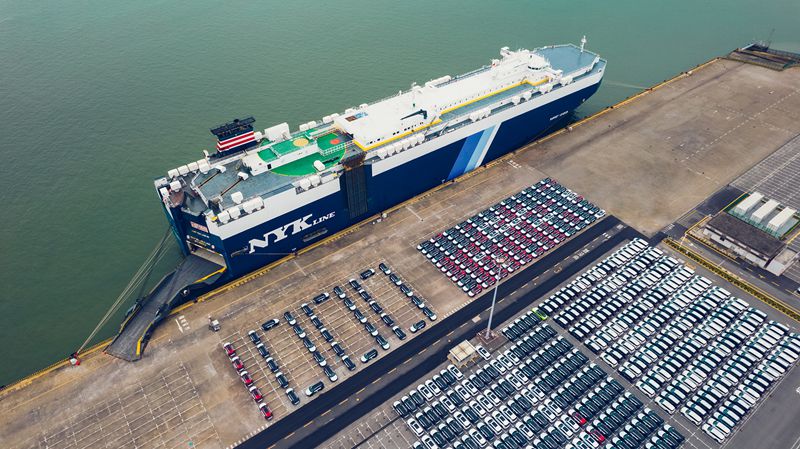
China’s electric vehicles have been exported to over 180 countries and regions worldwide. For example, in Egypt, the vast majority of electric vehicles registered in the first quarter of 2024 were manufactured in China.
BYD’s electric vehicles were once used as the official vehicles for the 2024 UEFA European Football Championship, gaining international recognition.
These export activities have not only enhanced the international influence of Chinese brands but also reduced the global cost of using clean energy.
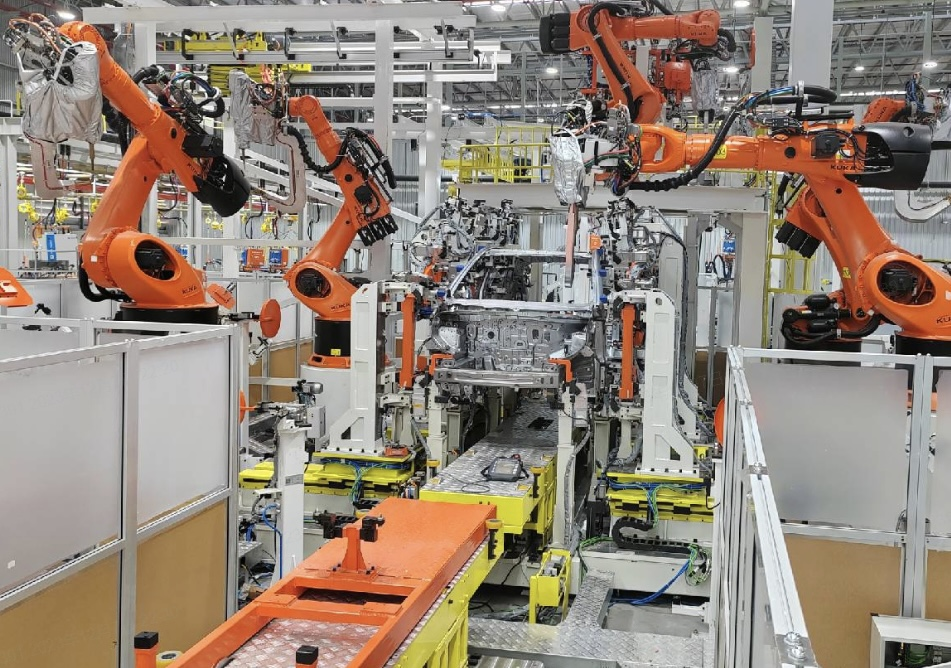
Future Development Direction of China’s Electric Vehicles
In terms of technology integration, China will promote the coordinated development of “three major components” – intelligent vehicles, embodied robots, and low-altitude economy, with the market scale expected to exceed $120 billion by 2030. At the same time, it will improve the battery recycling system and explore the commercialization paths of new technologies such as solid-state batteries and hydrogen fuel cells.
Export strategy will also target more countries, expanding into emerging markets such as Southeast Asia and Latin America.
If any infringement occurs, please contact us for deletion