



Chery’s 315kW Tiggo 9 flagship confirmed – priced from $60,000 to rival Mitsubishi Outlander and BYD Sealion 6
Latest plug-in hybrid SUV from Chery will be its largest yet, with seven seats and three electric motors
Chery has confirmed plans to further expand its ‘Tiggo’ SUV range, locking down a new seven-seater plug-in model set to release in less than one month.
Known as the Tiggo 9, Chery’s new model will be its largest and most expensive yet… Before exploring offerings from sub-brands Omoda and Jaecoo, that is.
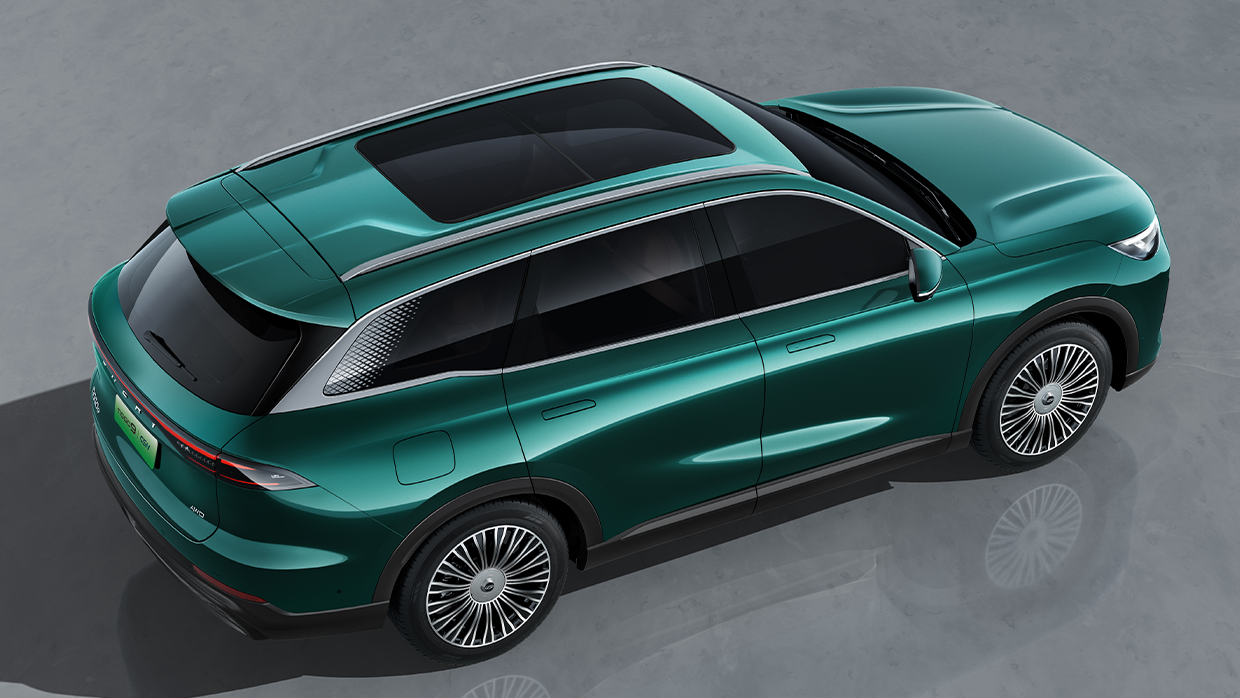
Priced from $59,990, the Tiggo 9 predominantly rivals the Mitsubishi Outlander PHEV, which starts from $57,290, and climbs to $69,290 in seven-seat guise. It will also contend with the five-seat BYD Sealion 6, priced from $42,990. Prices shown are before on-road costs.
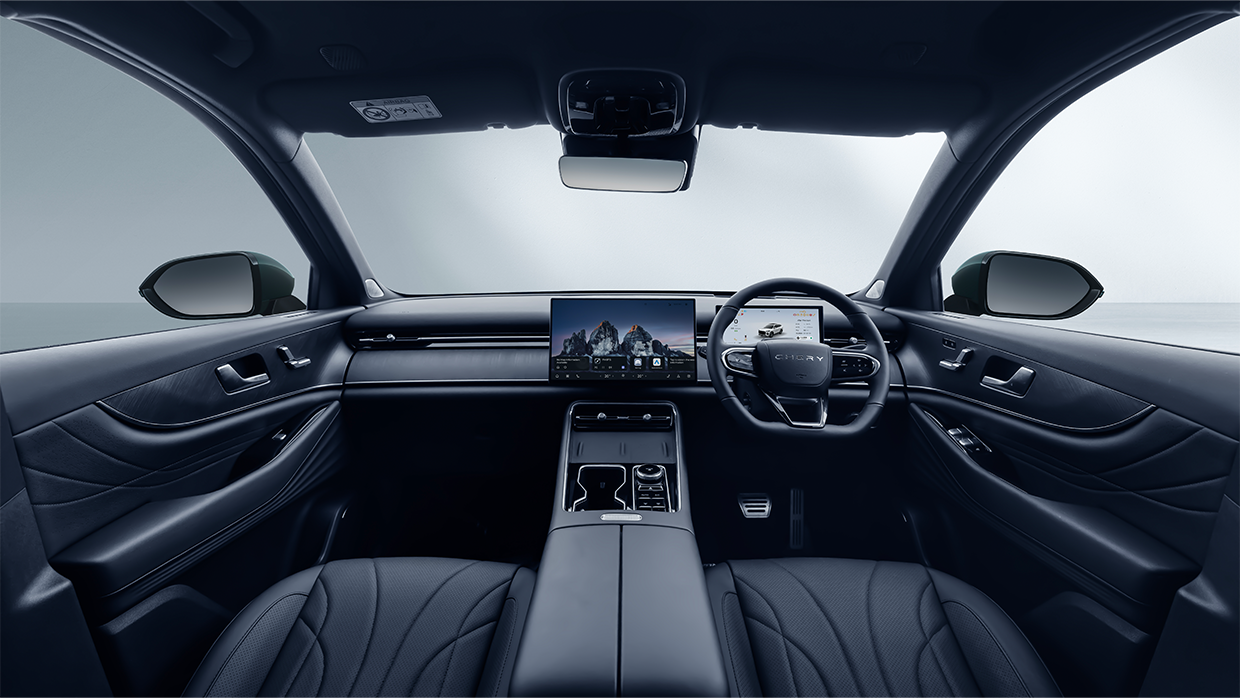
Key standard equipment for the Chery Tiggo 9 includes:
- 360-degree surround view camera
- Leather interior
- 6-way power-adjust front seats with heating, ventilation and massage
- Heated and ventilated rear outboard seats
- Heated steering wheel
- 10.25-inch driver instrument cluster
- 15.6-inch infotainment touchscreen
- 14-speaker Sony sound system
- Heads-up display
- 50W wireless phone charger
- Electronic panoramic sunroof
- Power tailgate
- LED exterior brightwork
- 20-inch alloy wheels
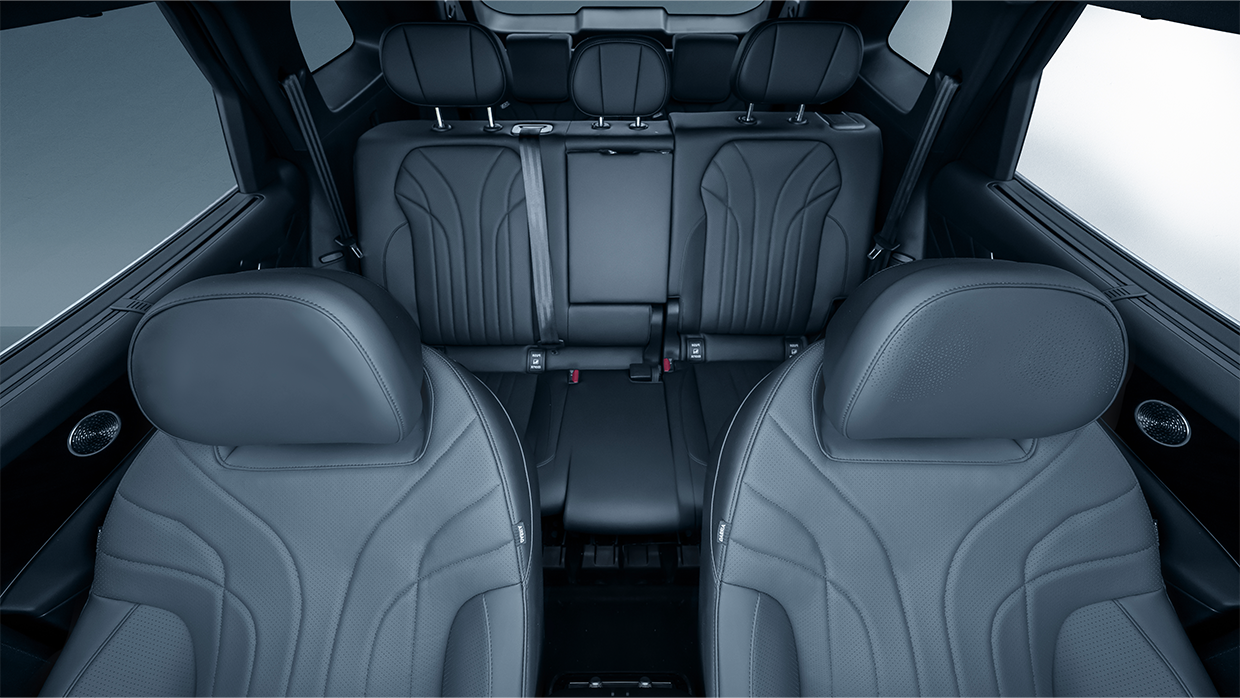
The Tiggo 9 will also need to compete with the BYD Sealion 8, an upcoming seven-seat plug-in hybrid measuring an impressive 5040mm in length. That model, along with a smaller, cut price Sealion 5, is slated to arrive in Australia early next year.
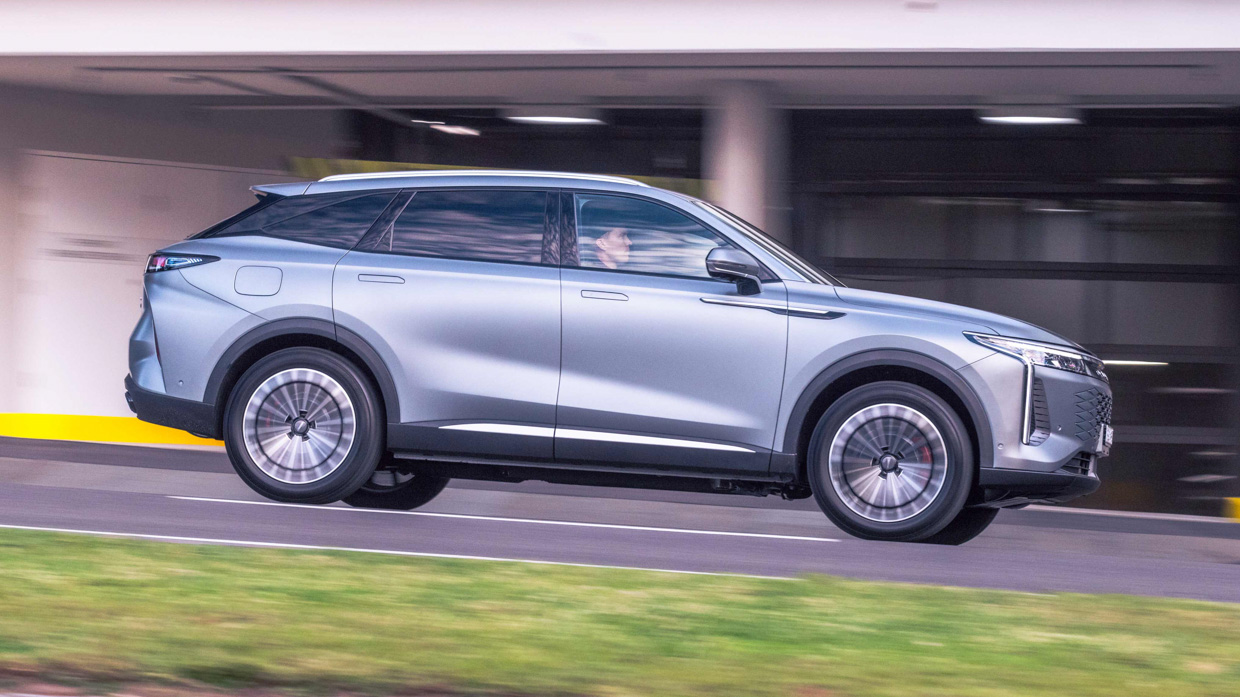
In contrast, the Tiggo 9 measures 4820mm in length (110mm longer than a Mitsubishi Outlander), 1930mm wide, and 1699mm tall, with a 2820mm wheelbase. (Overseas exterior dimensions shown — local dimensions are not yet available).
Keen eyed readers would note the extreme similarity in size between the Chery Tiggo 9 and the Jaecoo J8, and indeed, the models look to be the same car under the skin.
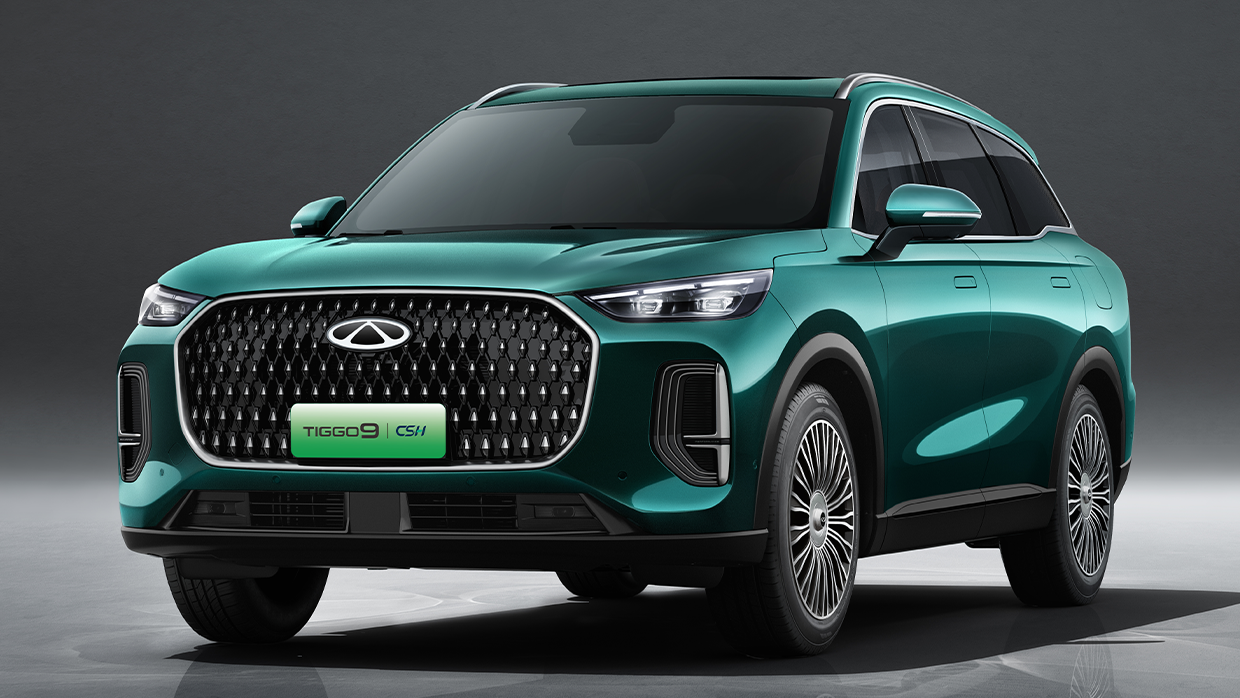
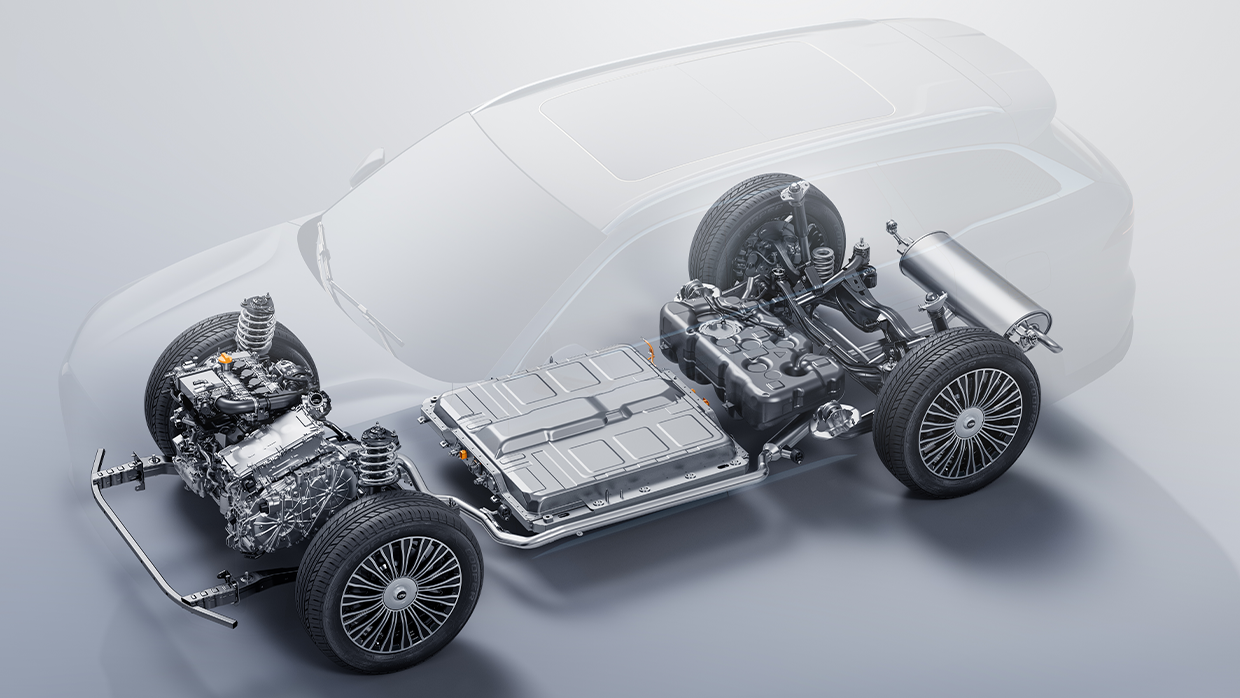
But where the J8 makes use of a more traditional 183kW/385Nm four-cylinder turbocharged engine and eight-speed automatic drivetrain, the Tiggo 9 features three electric motors – two at the front and one at the rear – mated to a 1.5-litre turbo petrol via a ‘dedicated hybrid transmission’.
The result is a staggering claimed combined output of 315kW / 580Nm, and, thanks to its 34kWh Lithium-ion battery, the Tiggo 9 also claims a combined range of 1250km and an EV-only range of 170km. Both figures are measured to generous NEDC testing standards.
The release of the Tiggo 9 will mark the second appearance of Chery’s unique three-motor PHEV system, which first debuted on the $61,990 (before on-roads) Omoda 9.
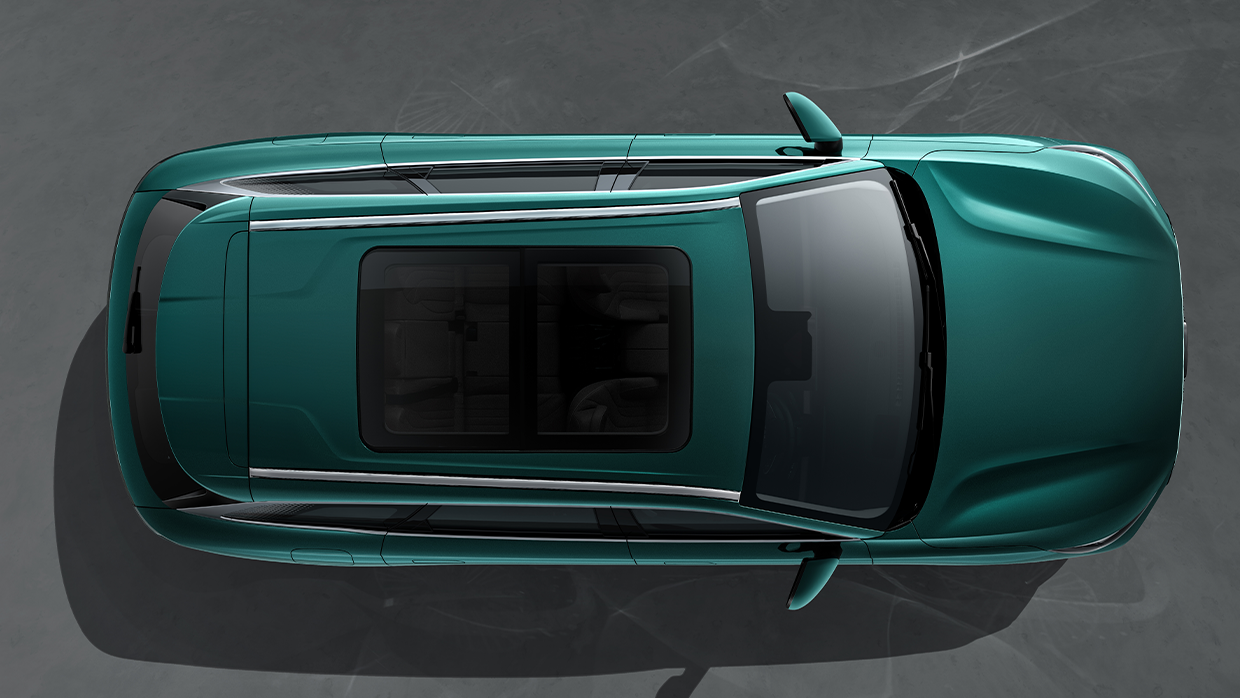
That model boasts a five-star ANCAP safety rating, where the Tiggo 9 is currently unrated. We anticipate Chery to already be working behind the scenes to begin independent safety testing on its new Tiggo 9 model, in order to share a five-star rating with smaller Tiggo 4, 7 and 8 relatives.
Chery has confirmed that the Tiggo 9 has a comprehensive suite of driver safety features, including autonomous emergency braking and emergency lane keeping, as well as ten airbags.
Like all Chery models, the Tiggo 9 will be backed by a seven-year unlimited kilometre warranty, with a separate eight-year unlimited kilometre warranty applying to its high voltage PHEV battery.
Omoda 9 Virtue SHS 2025 review
1 month ago

With more than a dozen Chinese brands already in Oz, Chery has just added another one – Omoda, technology-savvy, pseudo-premium SUV brand sold alongside Jaecoo
Good points
- Relatively clean styling
- Absorbent urban ride
- Sophisticated drivetrain
- Outstanding EV-only range
- Strong performance
- Benchmark warranty
Needs work
- Lifeless steering
- Complex yet clunky multimedia
- No front seat height adjustment
- Slightly unnatural handling
- Fake exhaust outlets
In early 2023, Chery introduced the Omoda 5 – a vaguely coupe-like small SUV which appeared to buck the trend of other export markets by being branded as a Chery in Australia, not an Omoda.
Two years later, that car has now received a light facelift and has been renamed Chery C5 (or E5 for the electric version), leaving ‘Omoda’ free to serve its original purpose – as a slightly more upmarket brand from carmaker Chery, just like it always was in right-hand-drive markets such as the UK and New Zealand.
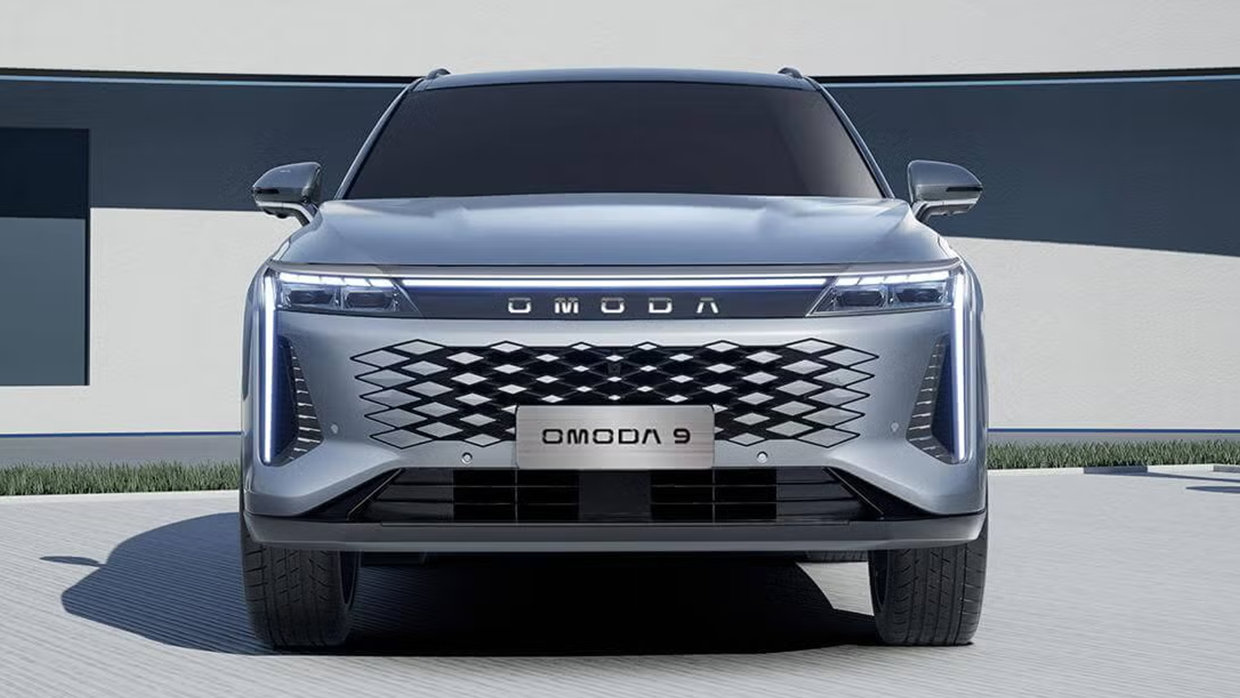
Following a global directive, Australia will now market Omoda-Jaecoo alongside each other, offering pseudo-premium model lines and more distinctive styling treatments compared to the bread-and-butter Cherys.
And the first fruit of that new strategic direction is the Omoda 9 – a large-ish, coupe-like SUV featuring a high-tech plug-in hybrid drivetrain offering an outstanding 145km of EV-only WLTP range.
Going forward, that means shared Omoda-Jaecoo dealerships and branding in Australia for the now four-month-old Jaecoo J7 medium SUV, the slightly newer Jaecoo J8 large SUV and this fresh-off-the-boat Omoda 9.
By Christmas, Omoda-Jaecoo plans to have around 50 Australian dealerships – some of which will be stand-alone and others that will be adjacent to an existing Chery dealership.
But back to the car. The Omoda 9 has been described as ‘new luxury’ – a technology-focused, slickly designed, slightly upscale SUV – whereas the Jaecoo SUVs are more ‘adventure’ vehicles, according to the Aussie marketing and product people, particularly the J7 Ridge AWD with its respectable off-road ability.
As such, the Omoda 9 will sold exclusively in plug-in hybrid form in Australia, not with the ICE option available elsewhere. And its ‘Super Hybrid’ PHEV system is a more complex, sophisticated and powerful system than that in other Jaecoo/Chery ‘Super Hybrid’ models – again, giving the Omoda 9 a premium point of difference.
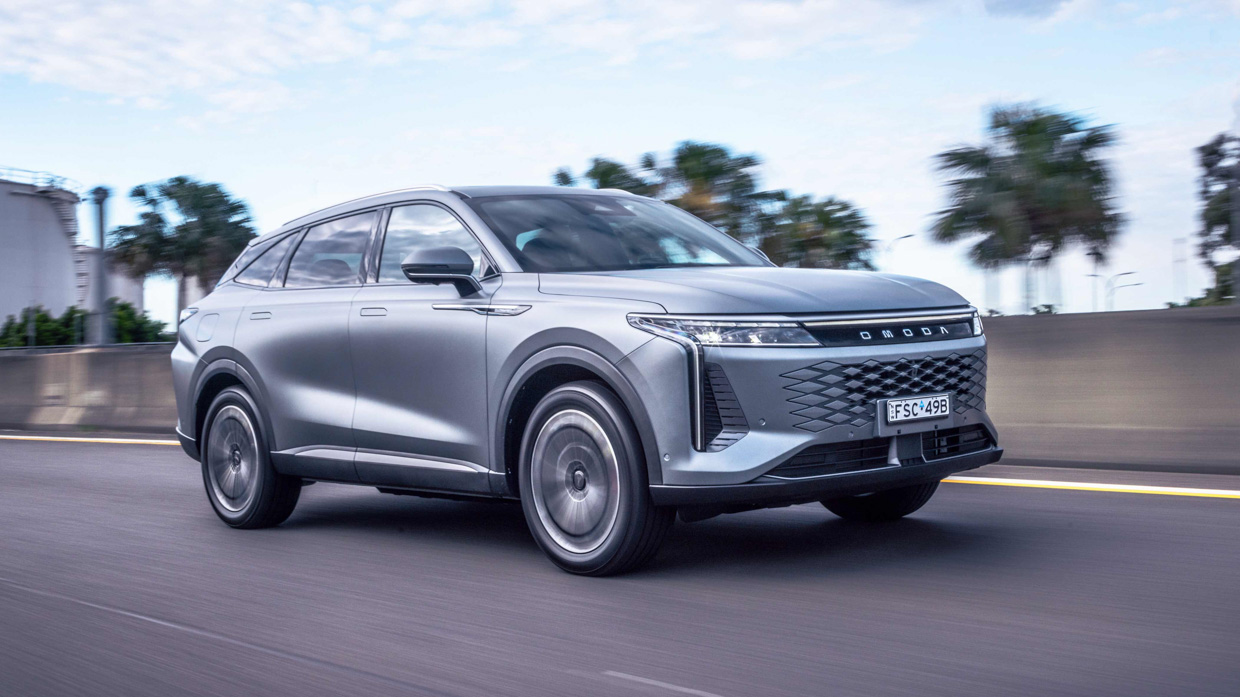
Size wise, the Omoda 9 is essentially a coupe-SUV alternative to the wagon-shaped Jaecoo J8 SUV. Measuring 4775mm long, 1920mm wide and 1671mm tall, riding on a 2800mm wheelbase, the Omoda 9 is 45mm shorter, 39mm lower, 10mm narrower, and 20mm shorter in wheelbase length than the Jaecoo J8.
It also loses out slightly for comparable boot volume – 738 litres to the roof in the J8 and 660 litres in the sleeker Omoda 9, each measured behind the second row because both SUVs are only available in five-seat form.
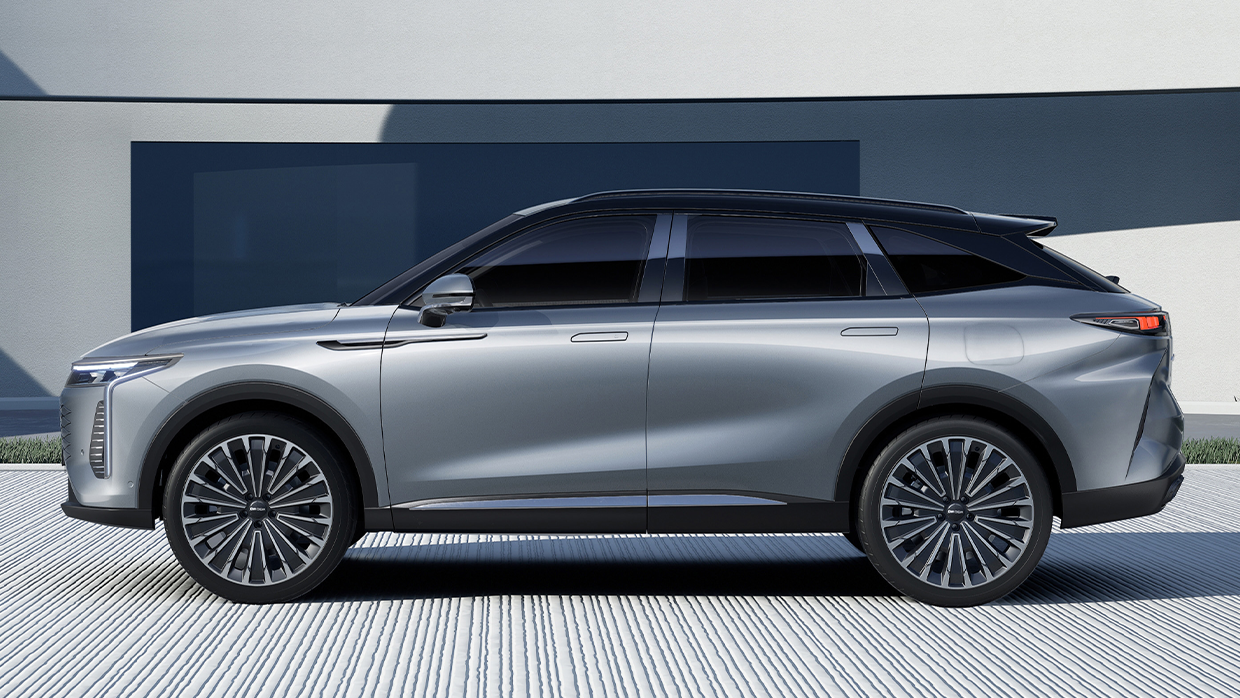
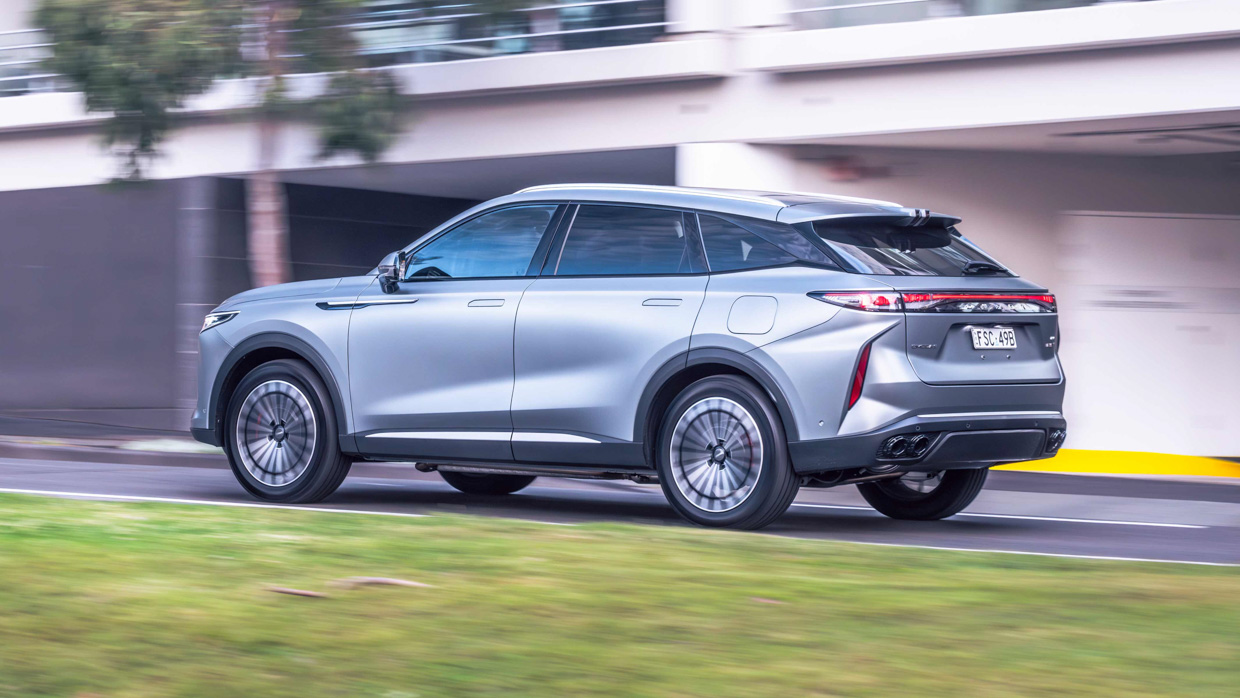
But the Omoda 9 looks good in the flesh. It’s an elegantly proportioned SUV featuring classy 20-inch alloys (with Michelin e-Primacy 245/50R20 tyres), and its LED lighting signatures are quite striking – the front lights featuring sequential indicators.
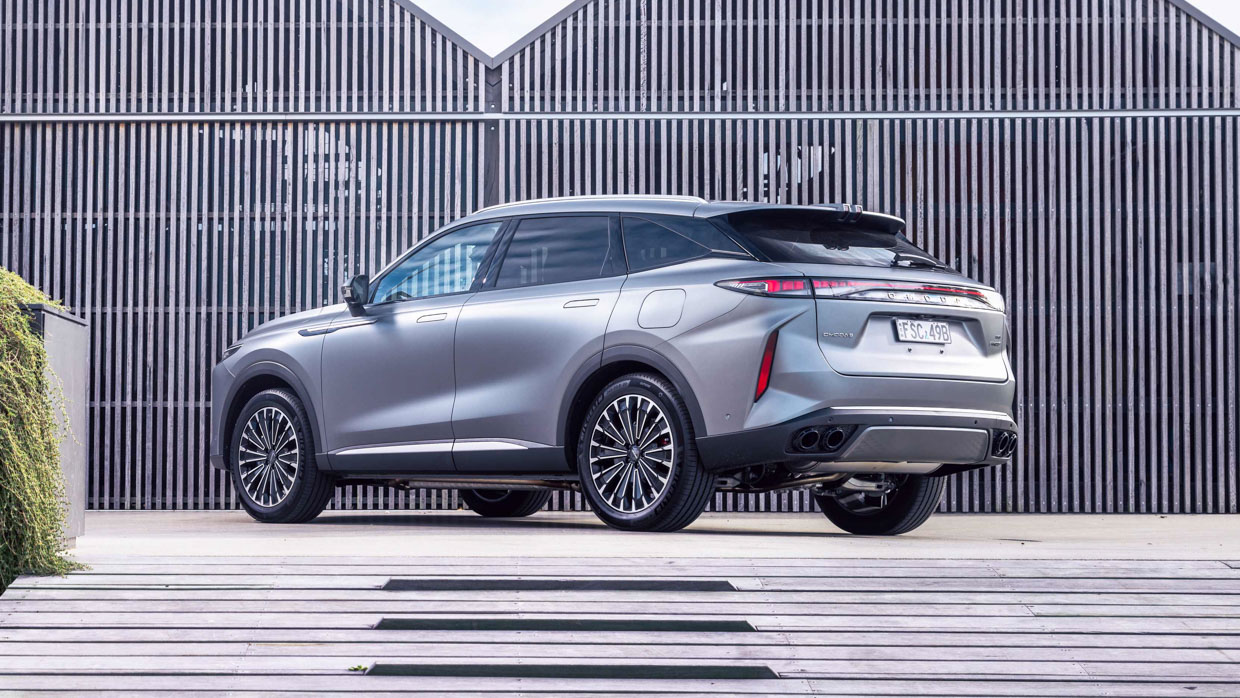
Pop-out door handles (ala Jaecoo J7, inspired by the Range Rover Velar) amp its slick factor, though opting for four huge, non-functional exhaust outlets is a jarring aberration an enviro vehicle.
Where the Omoda 9 asserts its positioning is by having three electric motors, as well as a 105kW/215Nm 1.5-litre turbo-petrol four-cylinder engine – channelled by a complex three-speed dedicated hybrid transmission (DHT), not the single-speed unit that’s fitted in other SHS Chery Group models.
The two front electric motors produce 75kW/170Nm and 90kW/220Nm, while the rear-axle electric motor is good for 175kW/310Nm – meaning the Omoda is AWD, not really an off-roady 4WD.
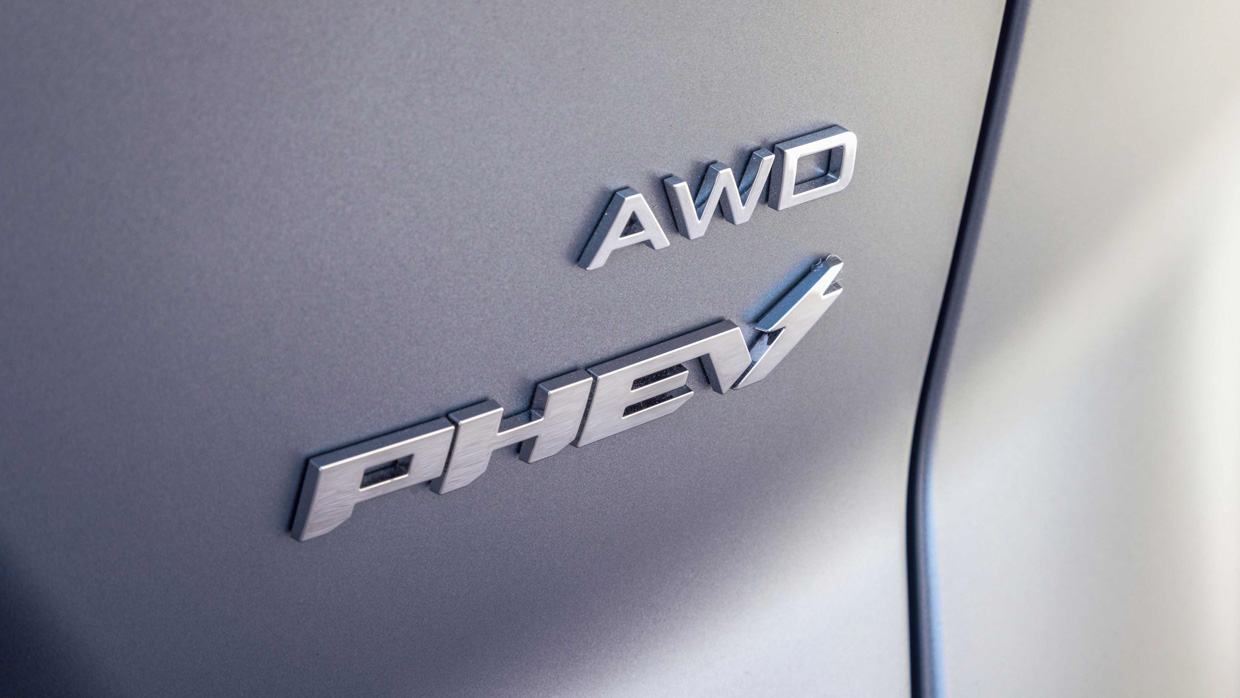
Impressive system outputs of 395kW and 620Nm give the 2203kg Omoda 9 enough oomph to slay 0-100km/h in a claimed 4.9 seconds, and during our limited time with the car, the slick DHT ’box shifted seamlessly between the various electric motors, the combustion engine, and everything together.
Over 100km of driving, with the drive mode in HEV (Hybrid), not just EV, the engine only chimed in once, during a foot-flat acceleration test to beyond 100km/h. And even then, the electric motors did most of the work before the petrol engine smoothly and quietly appeared in the background.
Given the Omoda 9’s substantial 145km EV-only range, you can essentially treat the petrol engine as a range extender, though with a maximum DC charge rate of just 70kW, the Omoda 9’s 34kWh battery will need 25mins to go from 30-80 percent on a DC charge, or 5.5 hours to go 30-100 percent on a 6.6kW AC charge.
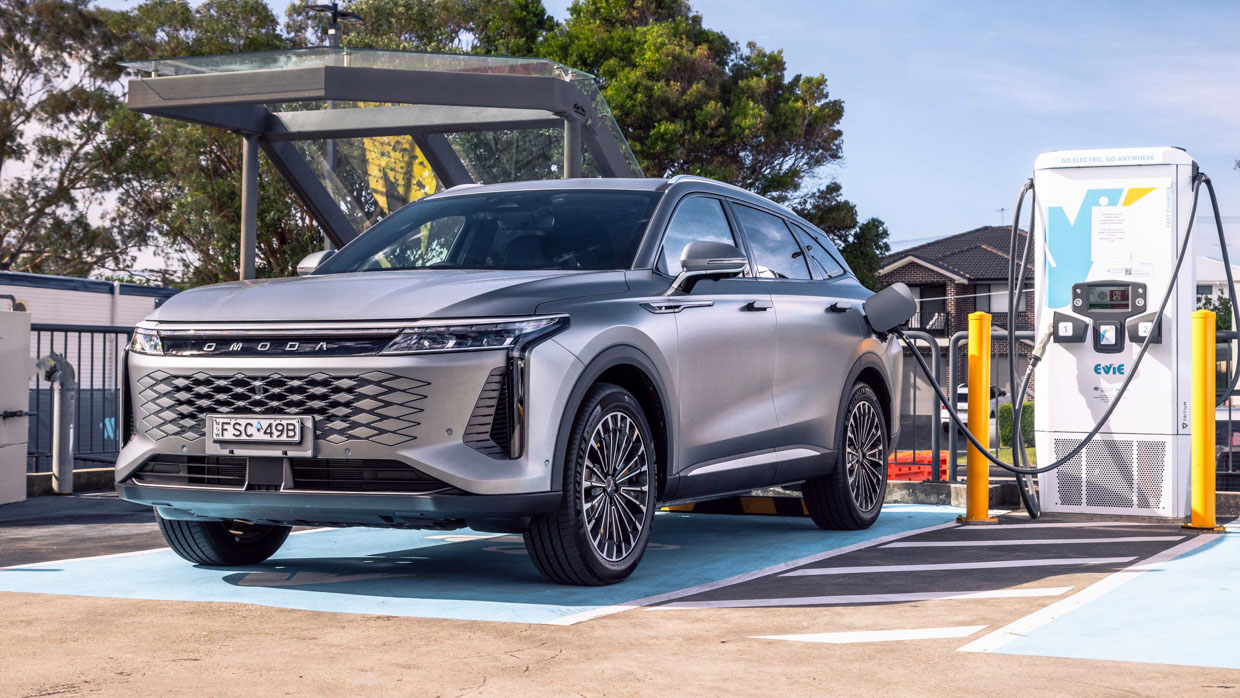
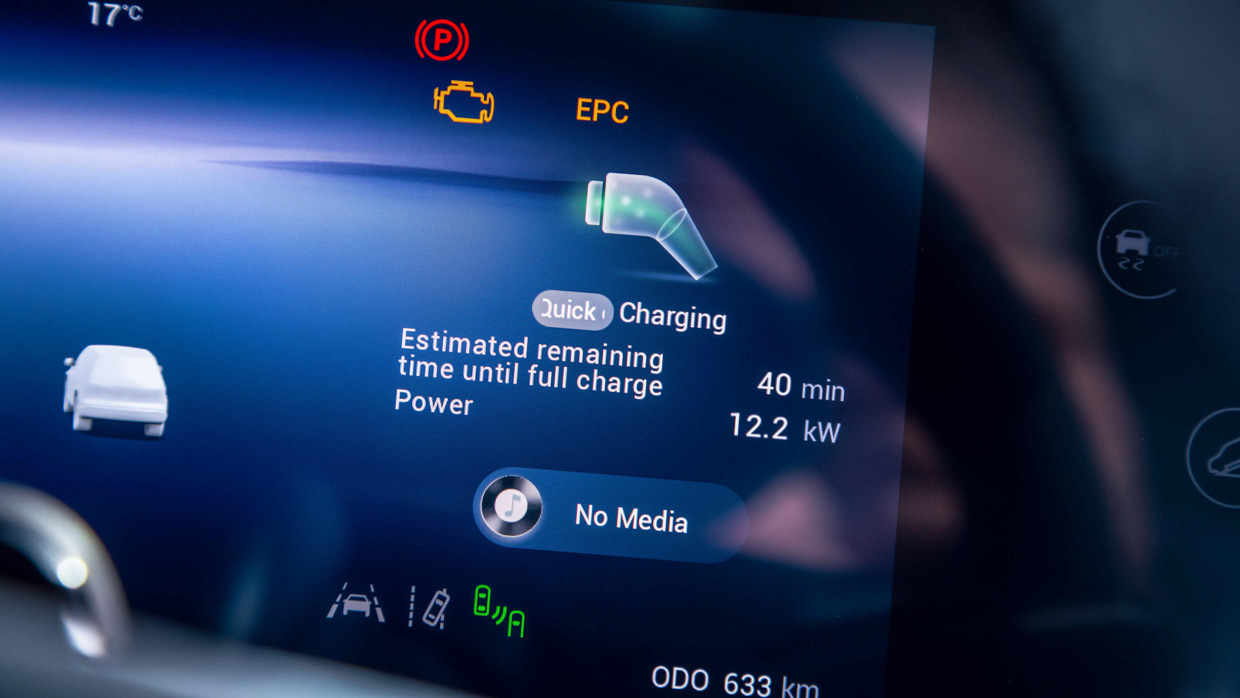
There are three levels of regen braking, though even the strongest setting doesn’t slow the Omoda 9 like a Nissan e-Power’s impressive e-pedal mode, let alone a Hyundai–Kia EV’s i-Pedal. But its adaptively damped suspension with multi-link IRS is surprisingly accomplished at absorbing urban road scars, despite its 20-inch wheels.
We’ll need to spend more time with the Omoda on properly challenging country roads to know that for sure, but it’s in the area of ride quality that the Omoda 9 feels at its most luxurious, backed by that impressively slick and rapid powertrain.
However, the Omoda 9 isn’t quite as sorted as it could be when changing direction. Hauling out of a tight, downhill left-hander, its acceleration and power-down poise felt unexpectedly great, though at other times it seemed to lack fluency and introduced some understeer in more uneven corners.
Some of that balance inconsistency could be due to the steering, which is numb and lifeless in feel, making finite precision difficult – even with Sport mode engaged. A comprehensive electric steering retune should be top of the priority list for 2026, though it doesn’t detract from the Omoda 9’s ability to waft comfortably through the suburbs.
Undermining that talent somewhat is the Omoda 9’s front seats. The door-mounted, Mercedes-Benz knock-off electric seat controls possess no height or tilt adjustment whatsoever, and while the driver gets an electric under-thigh extender, it achieves almost nothing when you can’t adjust the seat angle – unless you’re a very small human.
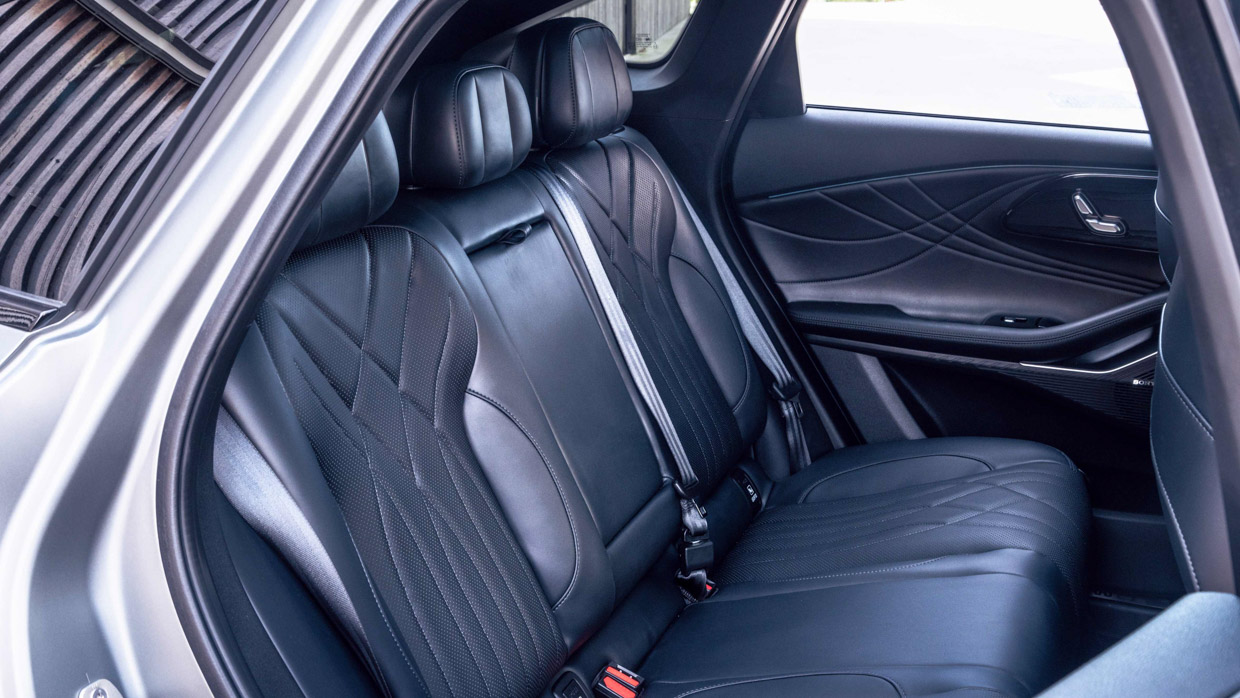
Otherwise, the front seat shape is reasonable and there’s leather-faced upholstery, ventilation, and heating all round (including the steering wheel and outer rear positions). And the rear bench is comfortable for two, with plenty of leg and toe room, though the door-mounted rear seat controls are just tinsel – the base does nothing, the backrest moves only slightly.
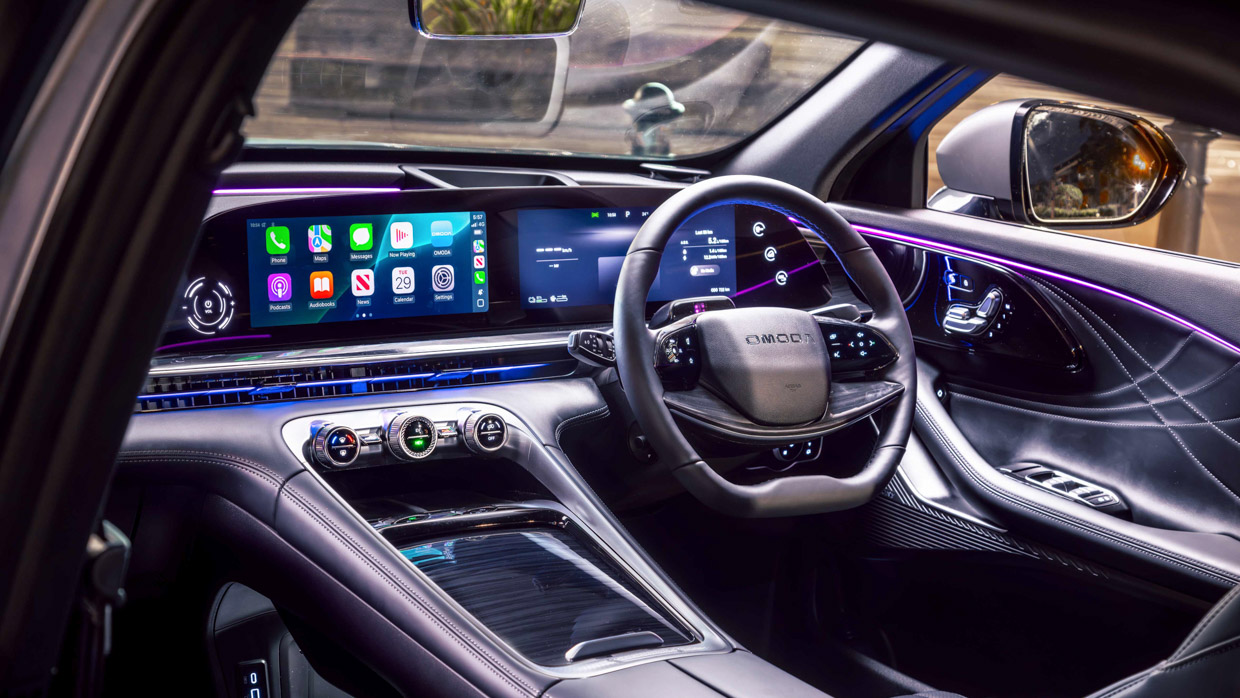
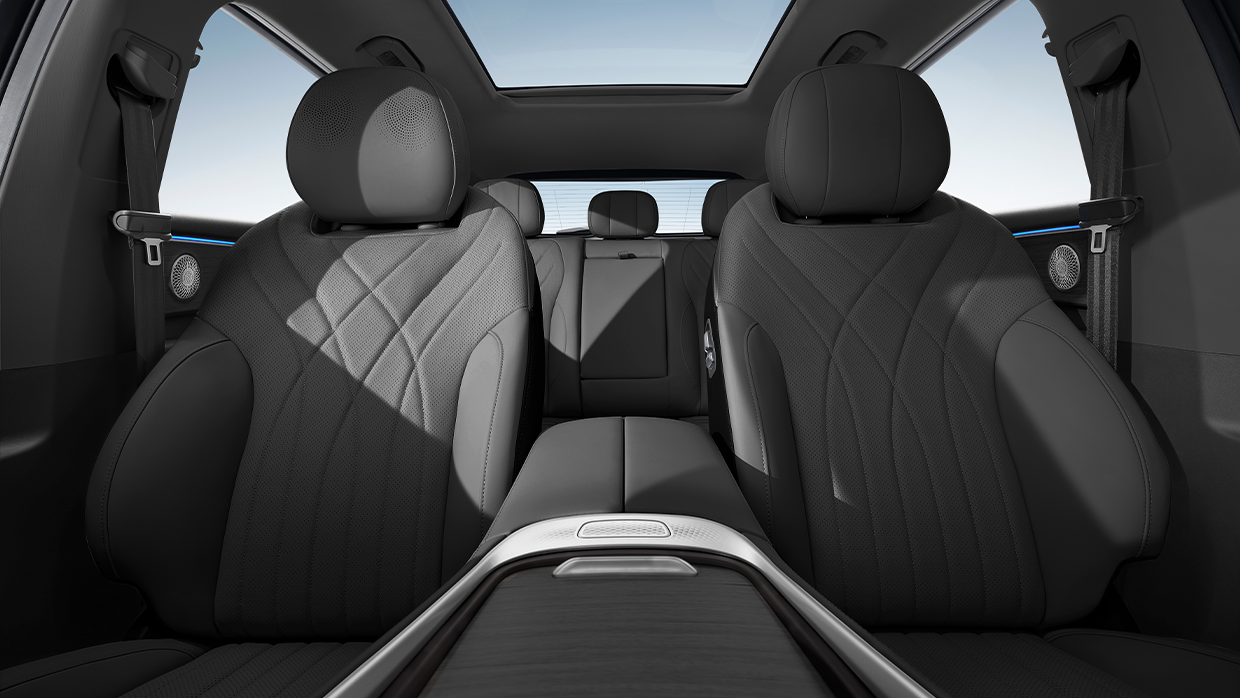
The rest of the cabin maintains a Mercedes-Benz styling inspiration, evident in the Omoda 9’s round metal speaker grilles, ambient lighting design and some of the switchgear and centre-console layout. And like its German mentor, it’s all slightly overdone – in contrast to the (mostly) restrained elegance of the Omoda 9’s exterior.
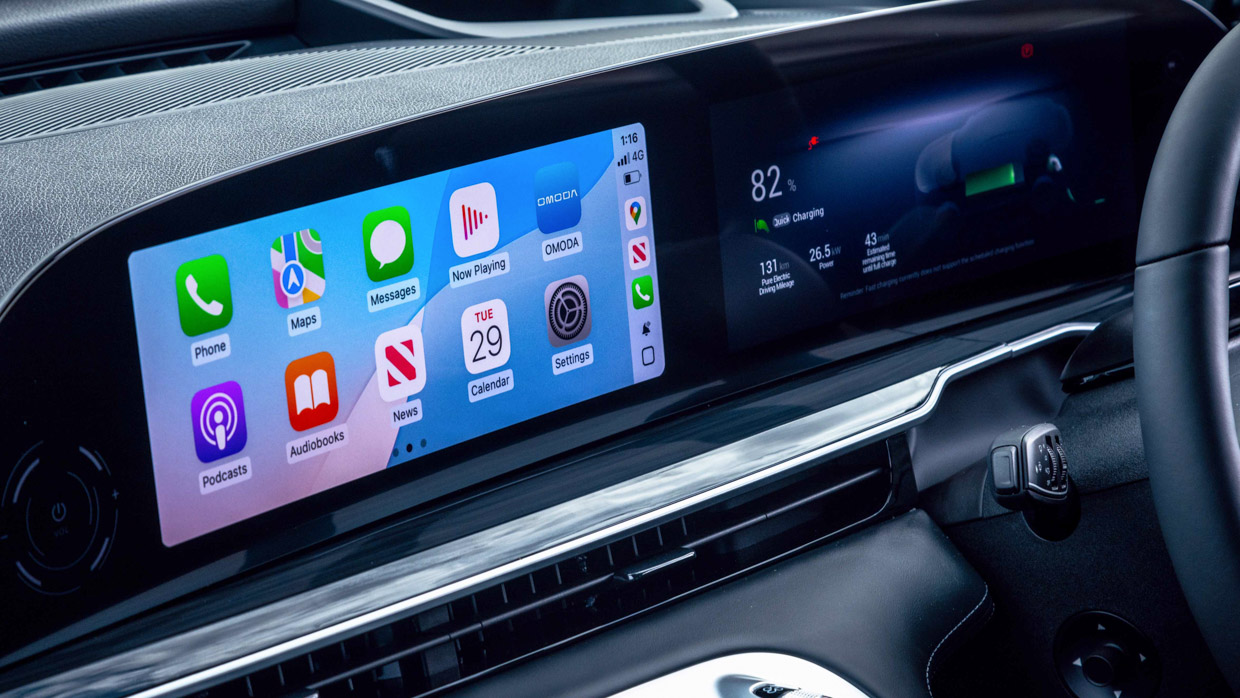
Overall quality is acceptable and functionality is decent … until you get to the 12.3-inch multimedia system. It often ignores inputs, meaning you need to press/tap multiple times before the screen responds, and we couldn’t find the treble/bass/balance controls for the 14-speaker Sony stereo, after at least 30 minutes of patient prodding.
Despite that failure, the staging and sound quality seem impressively strong, and there’s even a pair of Sony speakers in the driver’s headrest.
Aside from a rather pleasant three-fragrance cabin-scent system, the rest of the Omoda 9 Virtue’s equipment (yep, that’s the variant name!) is decent but unexciting.
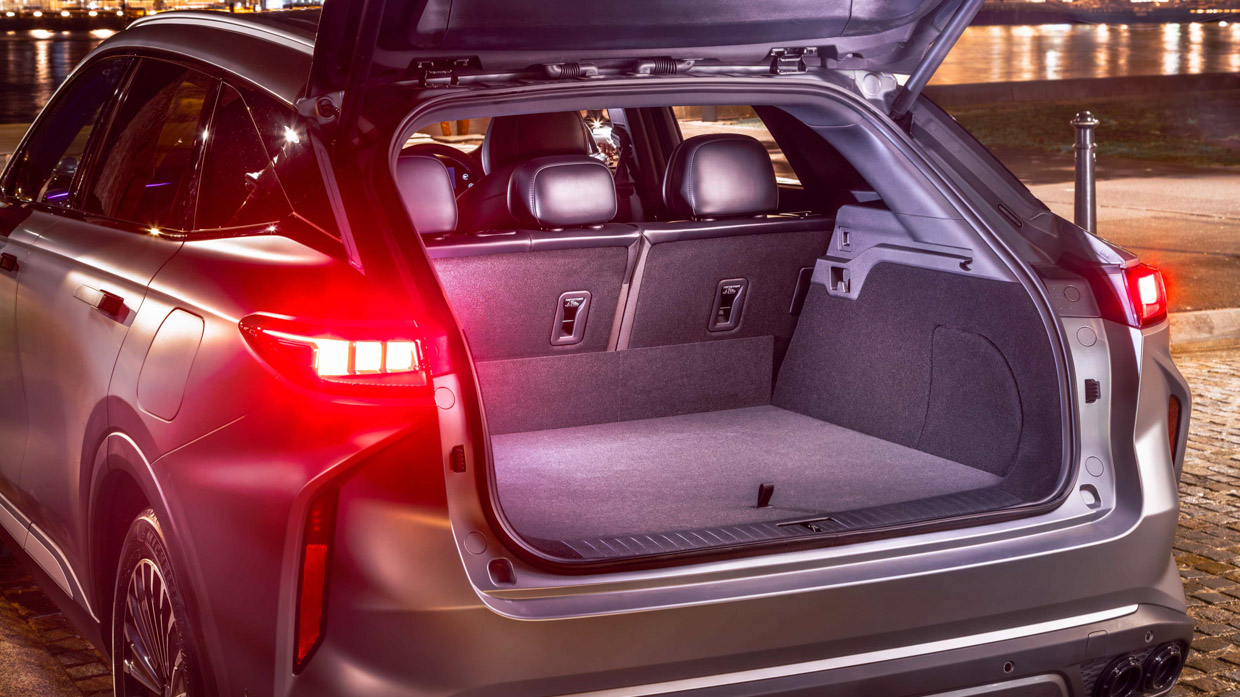
There’s puddle lighting, electric steering adjustment, auto park, a 360-degree camera, a head-up display, a basic 12.3-inch driver’s screen, a 50W wireless charger, wireless Apple CarPlay/Android Auto, a built-in dashcam, a panoramic sunroof, an electric tailgate (opening to a spacious boot), and an optional matte paint finish (Shadow Grey) among four hues.
The Omoda 9 also shares Jaecoo’s eight-year/unlimited-kilometre warranty, plus eight years’ roadside assistance and eight years’ capped-price servicing. Recommended service intervals are every 12 months or 15,000km, with the five-year cost being $1895.
There’s the expected active-safety electronics, as well as eight airbags, adaptive cruise, front/side/rear parking sensors and rear cross-traffic AEB.
The operation of everything seemed relatively non-threatening during our launch drive, though that isn’t to say that real life won’t expose several chinks here. At least there’s a swipe-down shortcut screen for the multimedia to save any annoying safety gadgets you may want disabled.
So is the rather handsome Omoda 9 a genuine force to be reckoned with when it comes to mainstream-brand plug-in-hybrid SUVs?
On first inspection, it appears to be a clear step up in sophistication and comfort over a $53K BYD Sealion 6 Premium plug-in hybrid, and with such a fantastic claimed EV-only range, as well as a comfy ride and impressive powertrain, the $62K Omoda 9 appears to be good value, too, though surely it’s only a matter of time before that sticker is driveaway.
Indeed, compared to a Mitsubishi Outlander PHEV ($57K to $74K), Mazda CX-60 P50e ($64K to $80K) or Kia Sorento GT-Line PHEV ($85K) – all of which offer barely half of the Omoda 9’s electric range – this Chinese plug-in hybrid SUV really starts to seem like a bit of a bargain, even though it still needs quite a bit of finessing to be a genuinely good car.
Porsche 718 Boxster/Cayman: Car and Driver 2025 10Best Cars
Anyone who loves cars is guaranteed to be smitten with Porsche’s mid-engine two-seaters.By Ezra DyerPublished: Dec 3, 2024 Save Article
View PhotosMichael Simari|Car and Driver
If there’s a Platonic ideal of a 10Best winner, this is it: the Porsche Boxster and Cayman. Coupe or convertible, four-cylinder or six, manual or PDK automatic, there are no bad choices in this lineup. Sure, a 718 Cayman GTS 4.0 manual might be our favorite child, but a no-options 718 Cayman—the least expensive entry point to the lineup, at about $75,000—is a thrilling machine. They’re exciting, beautiful, and rare.

The word “exotic” might apply if it weren’t saddled with pejorative baggage, because Porsche’s fraternal twins aren’t temperamental or unlivable. Quite the opposite. Go look for used ones and you’ll find plenty of six-figure odometer readings. Throw the top down on a Boxster, and your 15-minute Sunday coffee runs have a way of turning into two-hour back-road adventures.Car and Driver
These cars have a feel that is fairly described as inimitable and gives us hope that the upcoming electric successors will retain the soul, if not the sound, of the Boxster and Cayman. The steering seems like it’s connected not just to the front tires, but to every square inch of the car, one node of a neural network dedicated to visceral feedback. There is no slack anywhere in the system—twitch the wheel or touch a pedal and you’ll elicit a reaction. Yet, somehow, the Boxster and Cayman aren’t nervous or twitchy. They’re just ready.
All Caymans and Boxsters are quick, by any objective measure: The base 300-hp 2.0-liter four hooked to the six-speed manual transmission sends the 718 Cayman to 60 mph in 4.4 seconds—and that’s the slow version. (A PDK Boxster GTS 4.0 knocks a full second off that time.) But drag strips are not these Porsches’ natural habitat—powerful acceleration is merely a means to dispatch those boring straightaways and pounce on the next corner. With feathery weight, sublime balance, and towering grip, the Boxster and Cayman are the perfect tools for the kind of anfractuous roads that lack passing zones for 20-mile stretches. While the numbers vary a bit between trims, you can pretty much figure that any given Boxster or Cayman is a 1.00-g car on the skidpad. And you don’t need to be Walter Röhrl to approach that limit, either—this is benign, accessible cornering performance that just happens to stray into supercar territory.
View PhotosMarc Urbano|Car and Driver
The fact that that the Boxster and Cayman have always been chassis-first sports cars makes us less concerned about their pending electrification. But we’ll also point out that Porsche is not deaf to the demands of its customers, and we’d guess that the planned phaseout of horizontally opposed internal combustion might not be an unavoidable finality. After all, when the 718-badged generation of Boxster and Cayman debuted in 2017, Porsche dropped the six-cylinder engines in favor of turbocharged fours. Over the following years, customers petitioned for a six, and in 2021 Porsche brought one back in the form of the 394-hp, 7800-rpm GTS 4.0—as fine a mea culpa as we could want. But even if we’re truly nearing the end of the line for gas-burning, mid-engine Porsches, it’s been a hell of a run.

Specifications
Porsche 718 Boxster/Cayman
Base: $74,795–$103,795
Power: 300–394 hp
PERFORMANCE
60 mph: 3.4–4.3 sec
EPA Combined (C/D est): 19–24 mpg
Senior Editor
Ezra Dyer is a Car and Driver senior editor and columnist. He’s now based in North Carolina but still remembers how to turn right. He owns a 2009 GEM e4 and once drove 206 mph. Those facts are mutually exclusive.